ECO-8778 · REV Q · effective September 30, 2026
Powertrain ProductionAPPROVEDEngineering notice
Nissan unit cancels plan to build EV powertrains in UK, Nikkei reports
Nikkei reports a Nissan unit has dropped plans to build EV powertrains in the UK. No investment or plant figures disclosed; Nissan has yet to confirm the cancellation.
Scope of change
- A Nissan unit has scrapped a plan to produce EV powertrains in the UK, Nikkei reported
- The Business Times relayed the Nikkei report; Nissan has not issued a confirmation
- No investment size, plant location or jobs figure has been disclosed in connection with the cancelled plan
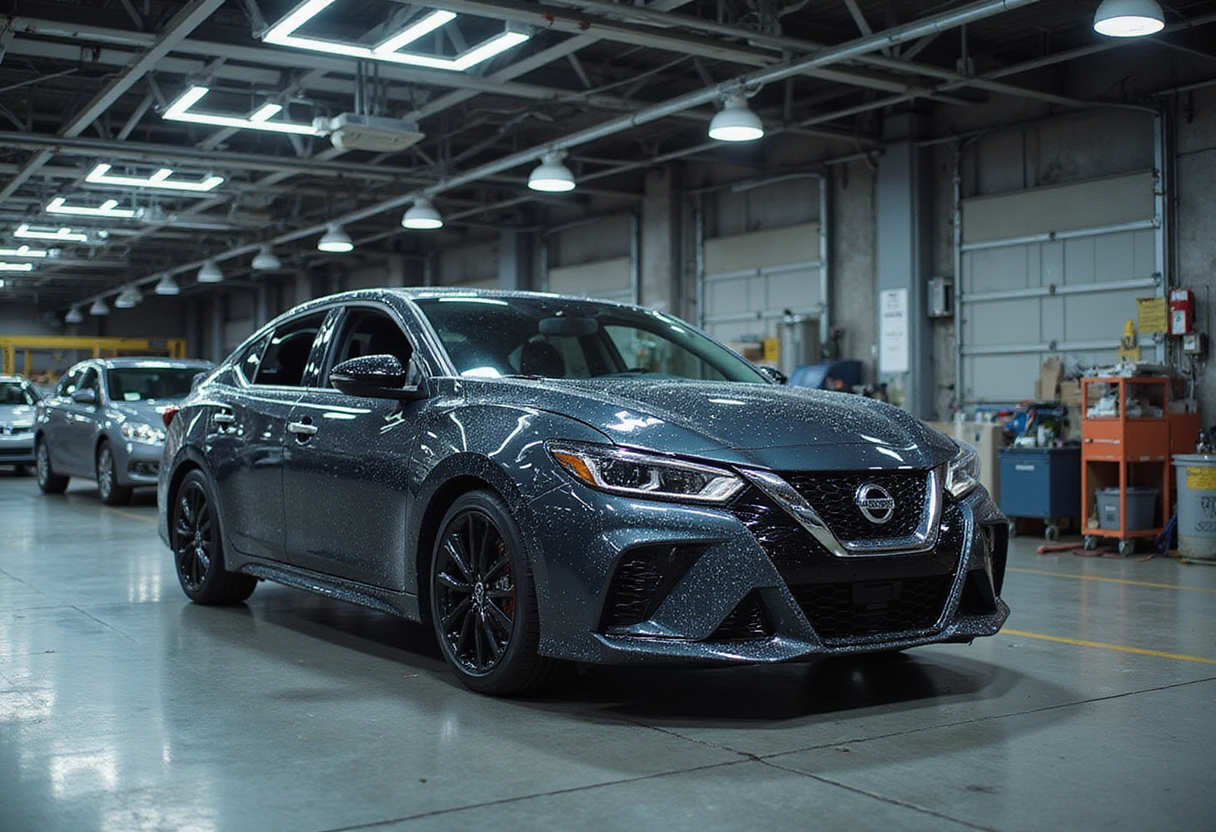
A Nissan unit has scrapped a plan to produce electric vehicle powertrains in the United Kingdom, Nikkei reported, in a decision that would remove a prospective volume program from the UK's EV manufacturing base.
Nikkei first carried the report. The Business Times relayed it. As of publication, Nissan has not confirmed the cancellation through a corporate statement, and no plant, headcount or investment figure has been attached to the report by either outlet. That absence of numbers matters. A scrapped plan can mean a program that never advanced beyond an internal study, or a committed project with tooling, supplier contracts and staffing already in motion. The two scenarios carry very different consequences for the UK plants and suppliers in Nissan's orbit.
What the report does establish is directional. Nissan, or an operating unit within the company, had at least considered localizing EV powertrain production — the motors, inverters and reduction gearsets that sit at the core of a battery-electric platform — on UK soil, and that option is now off the table. Powertrain localization is typically the second wave of an EV industrial footprint, following battery pack assembly and preceding full inverter and motor deep-tier sourcing. When an OEM abandons it, tier-one and tier-two suppliers that had sized investments around that demand signal face a hole in their order books that rarely gets filled quickly.
For the UK, the cancellation lands at an awkward moment. The country's EV manufacturing ambitions rest heavily on a small number of anchor programs, and each announced powertrain or battery project carries outsized weight in the arithmetic of local content. The ZEV mandate's tightening thresholds give OEMs a hard deadline to sell increasing shares of electric cars in Britain, but the mandate does not by itself guarantee that the hardware in those cars gets built there. Imported powertrains in UK-assembled vehicles still count toward sales compliance. They do not count toward much else — not jobs, not supplier clusters, not the industrial capability that survives policy cycles.
Trade-press discipline requires flagging the verification gap. This is a single-outlet report, attributed by The Business Times to Nikkei, with no on-record confirmation from Nissan, no named executives, and no figures for the investment that will not now happen. Suppliers and regional development agencies should treat it as a strong signal rather than a settled fact until Nissan responds or declines to respond.
The watch items are straightforward. First, whether Nissan issues a confirmation, a denial or silence — silence after 48 hours usually reads as confirmation in this industry. Second, whether the scrapped plan was tied to a specific UK site, which would clarify the exposure of that plant's workforce and its local supply base. Third, whether the decision shifts the powertrain sourcing to another Nissan manufacturing region — Japan, the United States, or continental Europe — which would indicate this was a reallocation of a live program rather than a pure cancellation. Fourth, the UK government's response, if any, given the political weight attached to EV investment commitments in Britain's automotive sector.
For UK-based tier-one and tier-two suppliers who had positioned themselves for EV powertrain work with Nissan's operations, the next concrete milestone to monitor is Nissan's next production and sourcing announcement affecting its UK footprint. That statement, when it comes, will show whether this report marks a narrow program decision or a broader retrenchment.
via Google News: Powertrain production (Source)
More from Marcus Bennett
Show full bio
News editor covering marketplaces and e-commerce at Autoplant Brief.
86 articles