ECO-7062 · REV Y · effective October 11, 2026
Vehicle Plants & ProductionAPPROVEDEngineering notice
Nissan's Tennessee plant loses 7,400 vehicles to parts shortage
Nissan's Smyrna, Tennessee assembly plant lost 7,400 vehicles of output to a shortage of "electronics, parts and material," per Automotive News.
Scope of change
- Nissan's Tennessee plant lost production of 7,400 vehicles.
- Cause cited: shortage of 'electronics, parts and material'.
- Plant: Smyrna, Nissan's largest U.S. assembly site.
- No recovery timeline or nameplate breakdown disclosed.
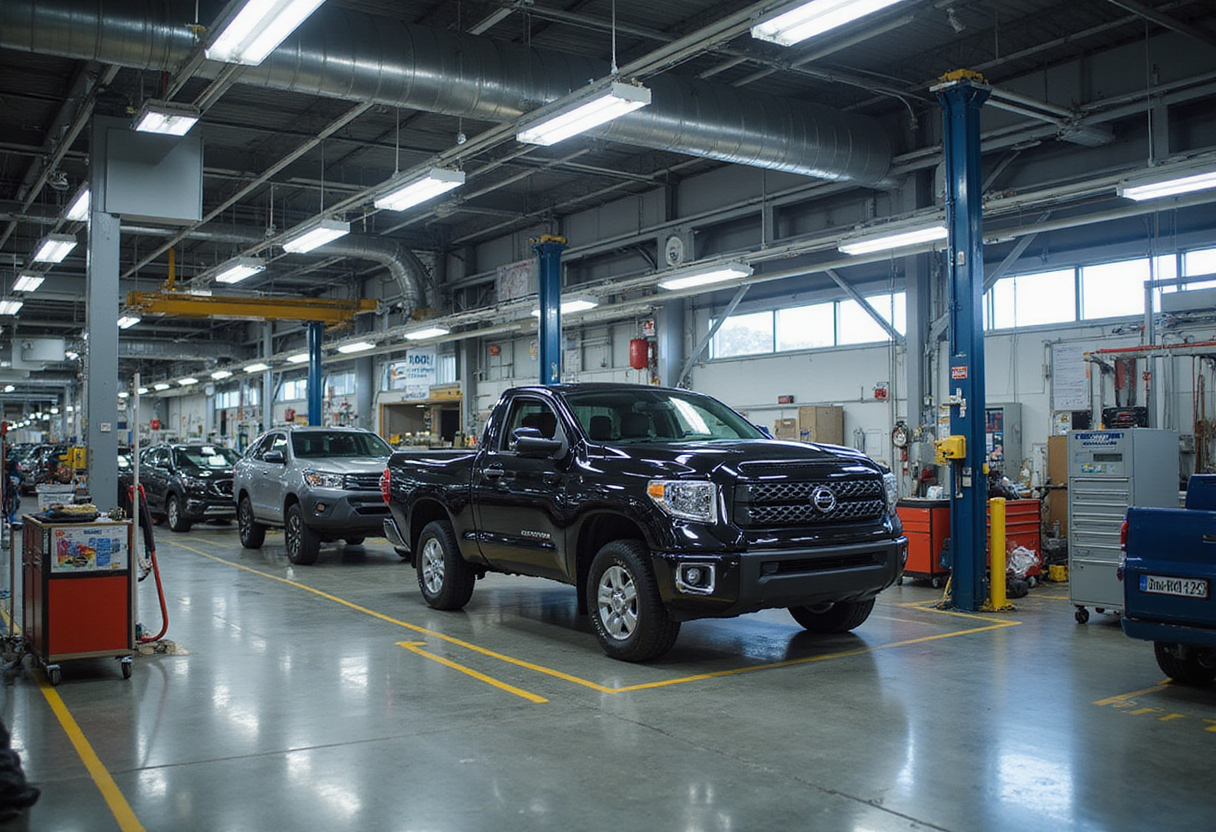
Nissan's assembly plant in Tennessee lost production of 7,400 vehicles because of a shortage of what the automaker described as "electronics, parts and material," Automotive News reports.
The figure anchors a familiar problem for a plant that has spent much of the past five years absorbing repeated supply shocks. Smyrna, Nissan's largest U.S. assembly site, depends on long component chains — semiconductors among them — and each disruption at tier-two and tier-three suppliers compounds downstream on the line.
What do we know about the shortfall?
The confirmed number is 7,400 vehicles of lost production. The stated cause is a shortage of "electronics, parts and material." That phrasing suggests the disruption was not a single-sourcing failure on one part number, but a broader inbound-material squeeze spanning multiple commodity groups.
Nissan has not, in the material available, broken the 7,400 units down by nameplate, shift pattern or recovery timeline. Until it does, treat the figure as a point-in-time production loss rather than a full-quarter forecast revision.
How does this fit the broader pattern?
Smyrna has been here before. The plant, along with Nissan's powertrain operations in Decherd, Tennessee, has faced intermittent chip-related and material shortfalls since 2021, forcing the automaker to juggle build schedules across its U.S. footprint.
What makes this episode worth watching is the electronics component of the claim. Shortages that mix electronic control units with generic "parts and material" typically point to logistics or supplier-capacity constraints rather than demand weakness — a distinction investors and suppliers read differently.
What to watch next
- Whether Nissan publishes a recovery schedule for the 7,400 lost units, through overtime, added shifts or reallocation to other plants.
- Any disclosure of which suppliers or commodity lines triggered the shortage.
- Smyrna's output in the next reported production period, which will show whether the shortfall was contained or marks the start of a longer squeeze.
7,400 units is recoverable in a quarter. A second consecutive disruption at the same site would be a harder signal about Nissan's North American supply base.
via Google News: Automotive suppliers and Tier-1s (Source)
More from Daniel Okafor
Show full bio
Senior reporter covering marketplaces and e-commerce at Autoplant Brief.
185 articles