ECO-6775 · REV J · effective November 13, 2026
Vehicle Plants & ProductionRELEASEDEngineering notice
Mercedes halts all new investment in German plants, board warns
Mercedes board member Michael Schiebe says all new investment in German plants is frozen, with closures increasingly likely unless unions accept €800 million in labor cost cuts.
Scope of change
- Mercedes board has frozen all further investment in German sites, Production Chief Michael Schiebe said Thursday.
- German production labor costs run up to five times higher than in Eastern Europe, according to Schiebe.
- Management targets €800 million in annual savings from longer hours and cuts to bonuses.
- CEO Ola Källenius wants to abolish the 35-hour workweek; the dispute has run since end of June.
- Mercedes operates three German vehicle plants (Sindelfingen, Bremen, Rastatt) and eight component plants.
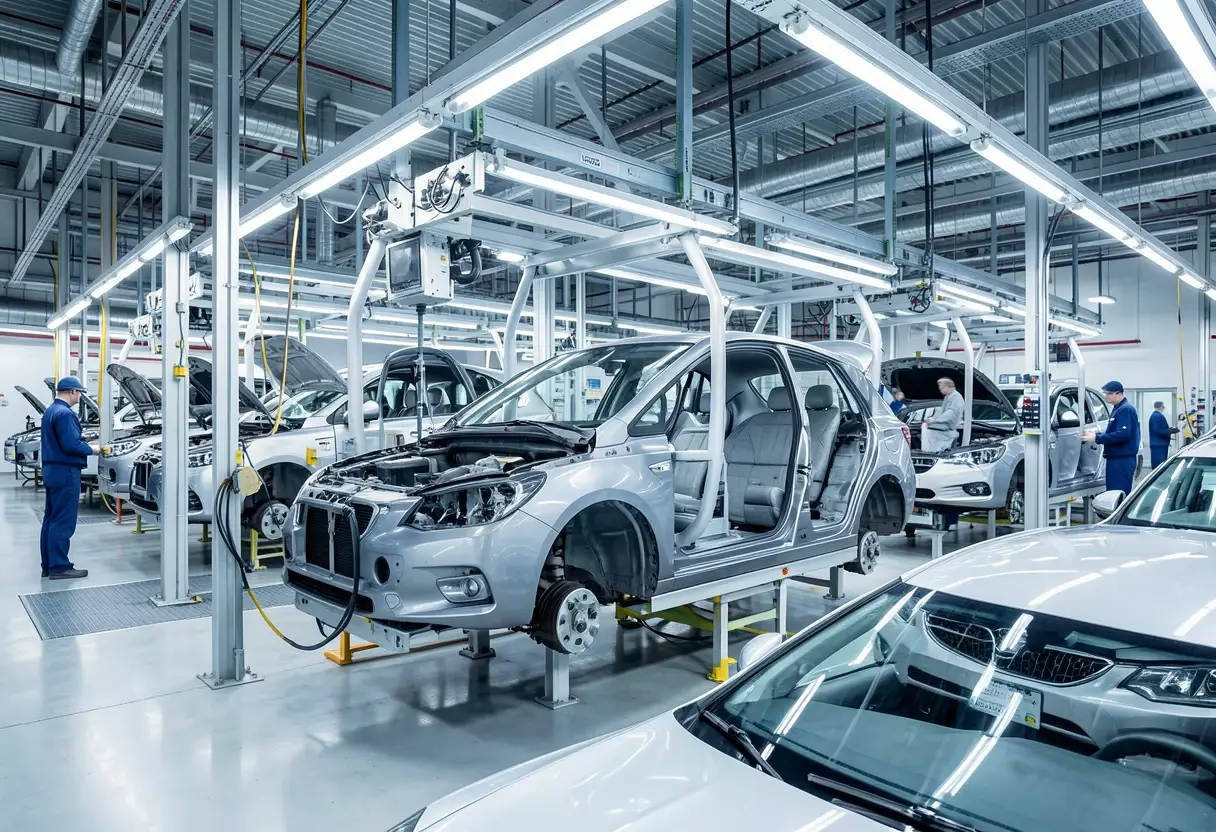
Mercedes-Benz has frozen all further investment in its German plants, with the board openly threatening factory closures and relocations abroad if unions don't accept a deep cut in labor costs.
Production Board Member Michael Schiebe announced the investment stop in an interview published Thursday on the Mercedes intranet, first reported by Handelsblatt. "We have jointly decided in the board to halt all further investments in the German sites," Schiebe said.
How sharp is the cost gap?
Schiebe put a number on it. "The cost of one hour of labour in production in Germany is in some cases up to five times higher than at locations in Eastern Europe," he said. He pointed to the USA as proof that even a high-wage location runs significantly cheaper than Germany.
The stakes go beyond pay. Due to necessary lead times, Mercedes must decide now where the next vehicle generations will be built. "We are now forced to carefully examine which German sites we would have to close if we do not achieve a change in the cost structure," Schiebe said. "Successor products will then be manufactured exclusively abroad."
What's driving the standoff?
The conflict pits the executive board against the unions over two core issues: the 35-hour workweek, which CEO Ola Källenius wants to abolish, and a reduction in labor costs. Handelsblatt reports the dispute has been simmering since the end of June, and negotiations have reached a point "where neither side is willing to make any further concessions."
Management wants German employees to work longer hours for the same pay. The automaker also aims to eliminate or reduce special payments — Christmas and holiday bonuses plus annual profit-sharing. Handelsblatt puts the target saving at €800 million annually. The board itself intends to waive parts of its remuneration.
Both sides are trading demands. Insiders cited by Handelsblatt say employees would only make concessions in exchange for reliable commitments on future employment and plant utilization in Germany. Management, in turn, ties those commitments to reduced labor costs.
Why now?
The savings push is urgent because Mercedes is struggling with declining sales. Handelsblatt cites the collapsing Chinese business, burdens from US tariffs, and the consequences of the Iran war as primary drivers — alongside management errors. The DAX-listed company warned of lower profits a few weeks ago. In the summer, Mercedes withdrew its sales and production forecast entirely.
What's at risk in Germany?
Mercedes currently operates three vehicle plants in Germany:
- Sindelfingen, near Stuttgart
- Bremen
- Rastatt
Its component plants sit in Stuttgart-Untertürkheim, Affalterbach near Stuttgart, Berlin, Hamburg, Kamenz, Kölleda, and Arnstadt.
What does this change for the plants?
For now, nothing is closing. This is a negotiating position, not a confirmed shutdown plan — but it's a formal board decision to stop investment, which carries real weight. Lead times for successor models mean allocation decisions can't wait for a negotiated settlement.
What to watch next: whether the works council and IG Metall trade union movement offer counter-concessions on the 35-hour week, and whether Mercedes names specific sites for the next-generation vehicle allocations — the moment that would turn threat into confirmed capacity planning.
via electrive (Source)
More from Grace Kim
Show full bio
Staff writer covering people, launches and day-to-day practice in Automotive manufacturing and vehicle production at Autoplant Brief.
271 articles
Also circulated
- Mercedes-Benz board halts new German plant investment, weighs closing two factories
- Mercedes-Benz freezes German investment, weighs closing two plants
- Mercedes-Benz Weighs Closing Two German Plants Over Costs
- Mercedes goes '100% China for China' from 2027 as German costs bite
- Mercedes Warns Two German Plants Could Close Unless Costs Drop