ECO-5362 · REV U · effective November 6, 2026
Vehicle Plants & ProductionAPPROVEDEngineering notice
Mazda opens 55,000 sq m KD parts centre at Hiroshima Port
Mazda's new 55,000 sq m KD Centre at Hiroshima Port will supply knock-down parts to all its overseas plants, replacing the Kaita facility and tapping the new Dejima container terminal.
Scope of change
- Mazda completed a 55,000 sq m KD parts centre in Hiroshima Port's Delima district
- The facility replaces Mazda's existing KD operation in the Kaita district
- Mazda built 567,826 vehicles in Japan and 327,937 overseas in the first nine months of 2026
- The centre supplies knock-down parts to all Mazda production sites outside Japan
- The site benefits from proximity to the new government-backed Dejima international container terminal
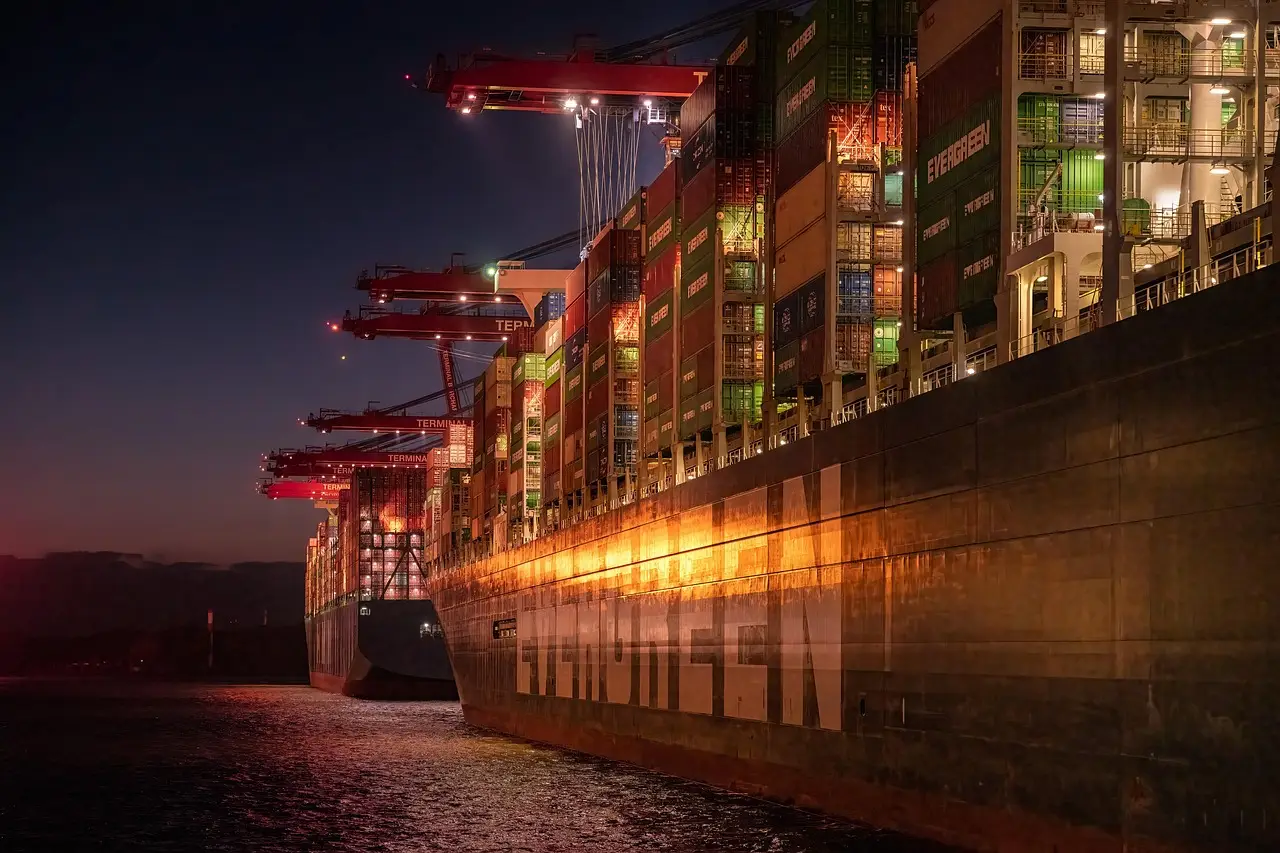
Mazda has completed a 55,000 sq m knocked-down (KD) parts centre in the Delima district of Hiroshima Port, a facility that will supply unassembled components to every Mazda production site outside Japan.
The Japanese automaker held a ceremony to mark the completion. The new Mazda KD Centre replaces the company's existing facility in the Kaita district of Hiroshima Port, and its location is not accidental: it sits closer to a new international container terminal in Dejima, built by Japan's central government together with Hiroshima Prefecture authorities.
Why the port matters
The Dejima terminal is intended to strengthen the port's capabilities, including its capacity to accommodate larger vessels. For a company that ships KD kits — parts received, stored, packed and loaded into ocean freight containers — bigger vessels and shorter drayage distances translate directly into shipping cost and reliability.
Mazda produced 567,826 vehicles in Japan in the first nine months of 2026, plus another 327,937 units overseas. Roughly two-thirds of its output, in other words, comes from domestic plants, and the overseas third depends on parts flowing out of hubs like this one. Put another way: for every three Mazdas built worldwide this year, two rolled out of Japanese lines — and the overseas plants don't run without Hiroshima feeding them.
The company is headquartered in Hiroshima, and its main domestic manufacturing operations sit in the same region. The KD centre's job is to keep that footprint globally connected: receiving, storing and packing parts, then loading them into containers bound for every Mazda plant outside Japan.
What's inside the building
Mazda designed the facility around automation for storage, retrieval and palletising operations. The company says the centre also improves safety and working conditions, and offers better access for delivery trucks than the Kaita site it replaces.
The proximity argument is straightforward logistics arithmetic. Moving container stuffing closer to the berth cuts truck movements between the KD facility and the terminal, which trims cost, time and exposure to port congestion. The company expects the new site to improve both efficiency and reliability of its export parts pipeline.
The takeaway
For Mazda, this is a quiet but structural upgrade: a purpose-built hub positioned to exploit a government-funded deepwater terminal, anchoring its knock-down supply chain for the overseas plants that account for roughly a third of its output.
What to watch next: how quickly operations ramp at Delima, when the Kaita site winds down, and whether the Dejima terminal's larger-vessel capacity lets Mazda consolidate KD shipments into fewer, bigger container loadings.
via just-auto (Source)
More from Daniel Okafor
Show full bio
Senior reporter covering regulation, policy and their impact on Automotive manufacturing and vehicle production at Autoplant Brief.
293 articles