ECO-7999 · REV P · effective November 6, 2026
Automation & RoboticsRELEASEDEngineering notice
Lear's Orion plant targets 10-15% conversion cost cut via automation
Lear's automated Orion, Michigan seating plant, launching next year for GM truck programs, targets 10-15% lower conversion costs as a global automation blueprint.
Scope of change
- Lear targets a 10-15% reduction in conversion cost requirements at its Orion, Michigan plant, CEO Raymond Scott said Oct. 30.
- The facility begins operation next year, supplying seats for the Cadillac Escalade, Chevrolet Silverado and GMC Sierra.
- Orion is the blueprint for scaling automation across Lear's global footprint, including potential Ford Super Duty programs.
- The plant follows a 10-year acquisition strategy including WIP Industrial Automation, Thagora Technology and InTouch Automation.
- Lear launched its IDEA by Lear automation strategy just over two years ago.
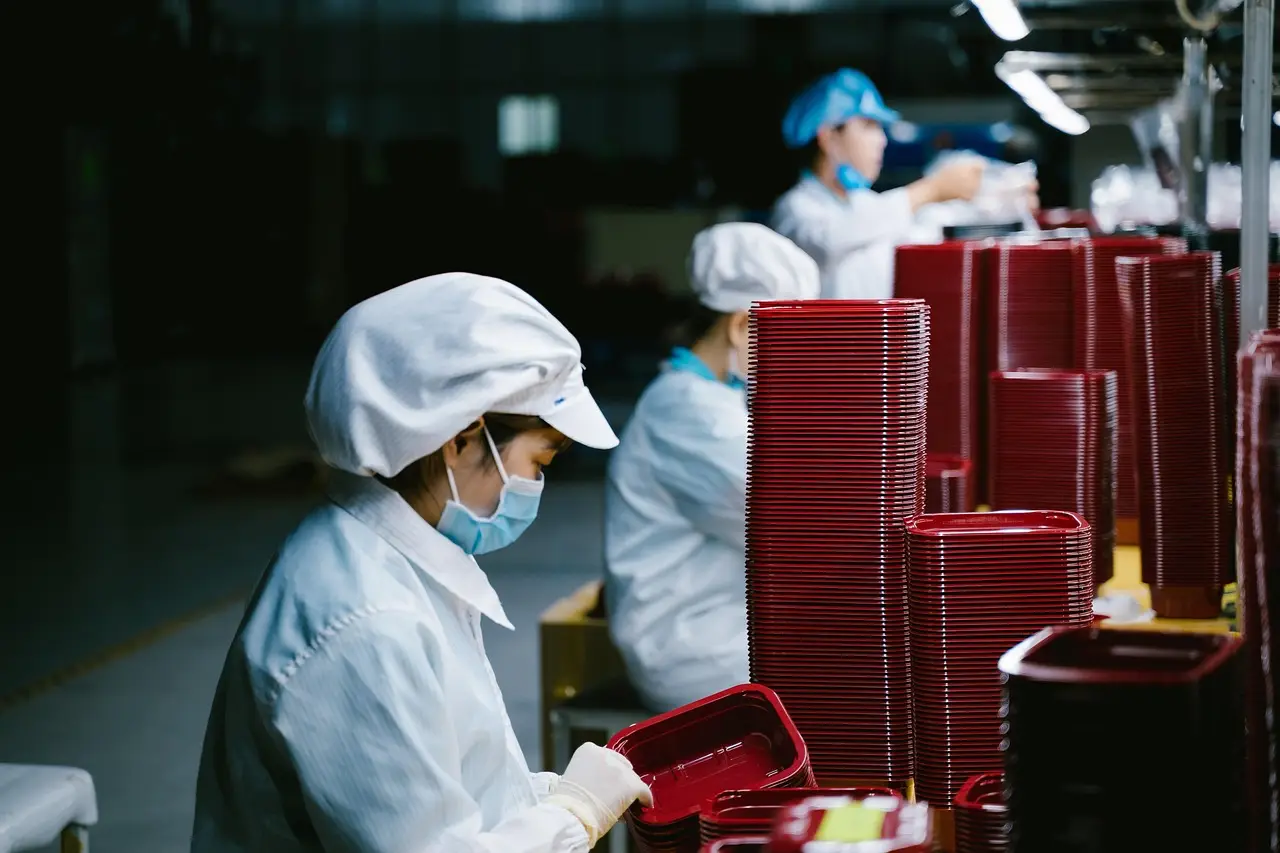
Lear Corporation expects automation at its new Orion, Michigan seating plant to cut conversion cost requirements by 10% to 15%, President and CEO Raymond Scott told investors on an Oct. 30 earnings call. The Tier 1 supplier plans to start operations at the facility next year and use it as the blueprint for scaling automation across its entire global manufacturing footprint.
The plant will build seats for three General Motors models: the Cadillac Escalade, Chevrolet Silverado and GMC Sierra. Lear intends to replicate the Orion model at other sites to support additional programs, including the Ford Super Duty line.
What does Orion change for Lear's plants?
Executives described the facility as the capstone of a 10-year journey built on strategic acquisitions and internal technology development. Purchases of WIP Industrial Automation, Thagora Technology and InTouch Automation gave Lear the in-house capabilities behind Orion's systems, which Scott said create a "competitive moat that will be difficult for others to replicate."
The site runs two different automated storage and retrieval systems (ASRS — automated warehouses that fetch components without human intervention): one handles raw components such as foam, the other handles finished goods. An internal team formed after Lear's acquisition of ASI Automation developed both systems.
"We own the IP, we control the road map, and we can scale it across our global footprint," Scott said.
Automation stack goes beyond storage
Scott calls the plant's operating logic "integrated intralogistics" — a connected intelligence layer spanning the whole factory. "It ties together inventory, material management, storage, and real-time decision-making from the moment a component arrives at our dock to the moment a finished seat leaves our facility," he said.
The full technology list at Orion includes:
- Overhead suspended material storage and delivery system
- Automated guided vehicles and autonomous mobile robots
- Automated trailer loading capabilities
- A four-directional storage system
- Smart ovens and automated end-of-the-line testing
- AI vision inspection
Lear is also deploying proprietary automation tools such as cycle time deviation monitoring and dynamic line scheduling for workforce management. "We are moving towards automated execution, meaning our people are focused on solving problems, not performing routine tasks," Scott said. Interconnecting multiple processes, he added, lets the company improve efficiency and inventory management through real-time monitoring, analysis and adjustments.
A two-year strategy reaching production
The Orion launch comes a little more than two years after Lear unveiled its IDEA by Lear strategy, which prioritizes digital tools and automation to make manufacturing more efficient. Scott recalled the skepticism that met the plan. "I remember two years ago, three years ago, when investors and analysts were saying, 'Man, you're going to have to change the whole model,'" he said. "And that's exactly what we're doing. We're changing the model around how you think about sourcing a seat system and how you manufacture a seat system."
For seating buyers at OEMs, the practical question is whether a 10-15% conversion cost reduction at one plant transfers to other programs. Lear's answer rests on owned IP and a repeatable site template rather than vendor-supplied systems, which the company argues makes replication faster and cheaper.
What to watch next: whether Orion starts production on schedule next year, whether the claimed 10-15% conversion cost reduction shows up in Lear's reported margins, and which plant — potentially one serving the Ford Super Duty line — becomes the second site to adopt the Orion blueprint.
via Manufacturing Dive (Source)
More from Marcus Bennett
Show full bio
News editor covering regulation, policy and their impact on Automotive manufacturing and vehicle production at Autoplant Brief.
260 articles
Also circulated
- Ford, JPMorganChase Back Michigan LIFT Supplier Program
- IoT Analytics Frames SDV Race Around Four Adoption Dimensions
- GM Commits $830M to Midwest Powertrain Plants for Next-Gen Trucks
- Nexteer opens 40,000 sq m Liuzhou steering plant after 12 million units
- Robot Orders Climb Past Automotive, Assembly Reports