ECO-2590 · REV S · effective September 30, 2026
Industry Analysis & MarketsAPPROVEDEngineering notice
IoT Analytics Frames SDV Race Around Four Adoption Dimensions
IoT Analytics has published a framework grading software-defined vehicle adoption across four dimensions and ranking the OEMs moving fastest, with direct sourcing implications for suppliers.
Scope of change
- IoT Analytics published a report framing SDV adoption across four dimensions
- The report identifies and ranks the OEMs moving fastest on software-defined vehicle adoption
- SDV adoption speed signals sourcing shifts toward centralized compute and fewer, larger ECUs
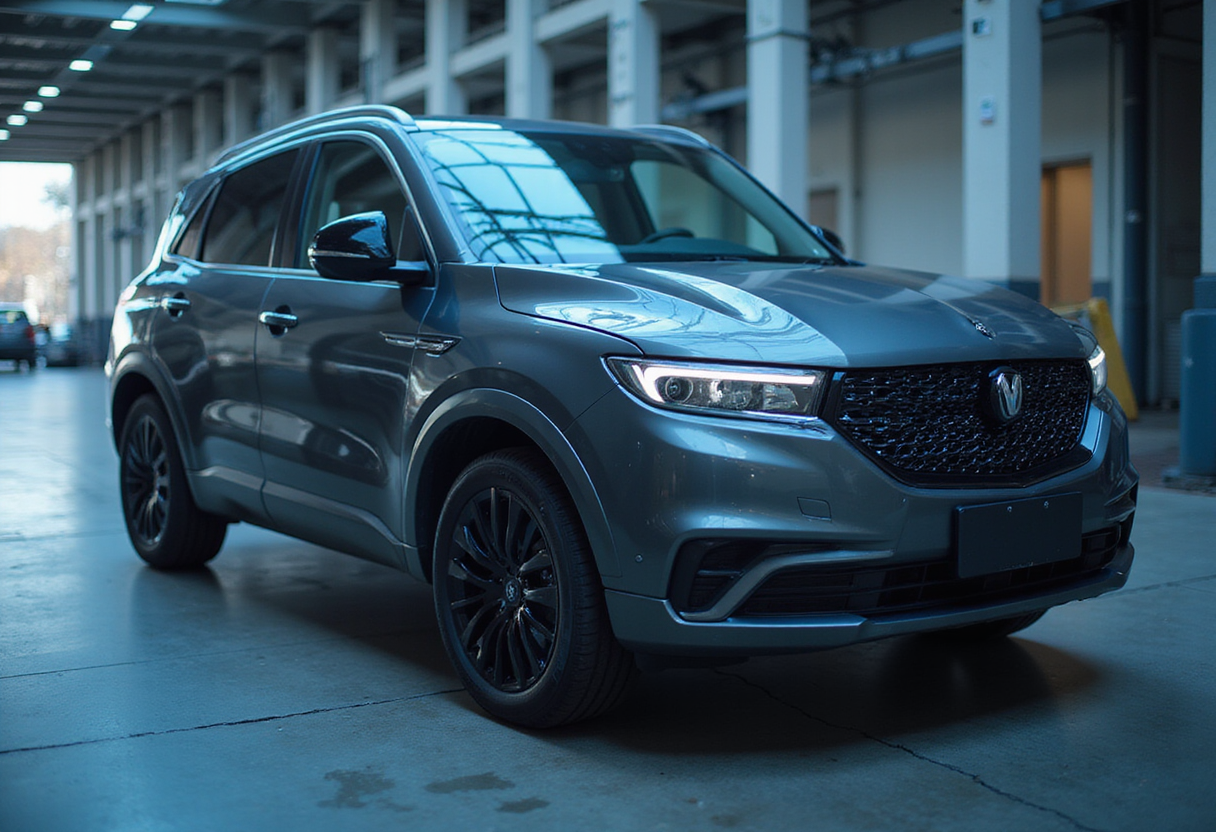
Software-defined vehicles have moved from conference talking point to measurable adoption race, and IoT Analytics has now put structure on that race with a framework built around four dimensions of SDV adoption — and a ranking of the OEMs moving fastest.
The report, published by the Hamburg-based industrial IoT research firm, arrives as automakers commit billions to rewiring vehicle electronics around centralized compute, over-the-air update capability, and continuously improvable software stacks. The stakes are structural: OEMs that master the transition gain the ability to add features and revenue after the sale, while laggards face rising integration costs and deeper dependence on Tier 1 suppliers for the electronic architecture at the heart of the vehicle.
The four dimensions laid out by IoT Analytics give the industry a common yardstick where definitions have been loose. Until now, "software-defined vehicle" has meant different things to different manufacturers — for some, little more than OTA infotainment updates; for others, a full rearchitecting of the vehicle from dozens of distributed electronic control units toward domain and zonal controllers managed by central computers.
That definitional spread matters for plant and program planning. Suppliers retooling wiring harness production, semiconductor vendors allocating high-compute SoCs, and manufacturing engineers rebalancing assembly lines all need to know which OEMs are committing to central-compute architectures on real vehicle programs, and which are still running pilot-tier implementations.
Who is moving fastest
The report identifies the OEMs it judges to be moving fastest across the four dimensions, a designation that carries weight for the supply base. Speed in SDV adoption correlates directly with sourcing shifts: fewer, larger electronic control units; new software-platform contracts that bypass traditional Tier 1 hardware bundling; and longer-term data and connectivity agreements that change who captures value across the vehicle lifecycle.
For suppliers, the ranking signals where redesign demand will land first. Manufacturers serving the fast movers face earlier requests for zonal architecture components, updated harness configurations, and software-integration support. Those serving slower adopters get more runway, but also exposure to a sharper eventual transition.
Why the framework matters now
Automakers have announced widely divergent timelines for SDV platforms. Several European and Chinese OEMs have committed to centralized electrical architectures on production vehicles within the current program cycle, while others remain a full generation away. Analyst frameworks like IoT Analytics's allow tiered suppliers and plant planners to benchmark claims against a consistent standard rather than OEM marketing language.
The research firm's interest is consistent with its coverage of industrial connectivity and IoT adoption more broadly. Vehicles are becoming one of the largest deployed fleets of connected compute platforms, and the data flows from those fleets feed directly into the industrial-analytics market the firm tracks.
What to watch next: The test of any SDV adoption ranking comes at launch. Watch whether the OEMs IoT Analytics names as fast movers hit their stated architecture-transition milestones on production vehicles this cycle, and whether the four-dimension framework gets picked up by suppliers as a benchmarking standard in their own platform decisions.
via Google News: Automotive suppliers and Tier-1s (Source)
More from Sophie Lindqvist
Show full bio
Correspondent covering business strategy at Autoplant Brief.
97 articles
Also circulated
- Seven Auto Suppliers Join Micron to Plan Future Memory Supply
- Five Tier-1s Chase Single-Chip Cockpit-Drive Dominance at Auto China 2026
- Daimler Truck–Volvo JV Coretura Picks Alloy Kore OS for Truck Software
- Rhodium Analysis: ICTS Rule Rewires Global Auto Supply Chains
- BMW Starts Powertrain Production for Neue Klasse Platform