Effective November 28, 2026
EV Manufacturing TransitionEngineering notice
Korea's Electrified Registrations Pass 807,000, Six in Ten New Cars
South Korea logged 807,829 electrified registrations through October, 59% of all new cars. EVs jumped 74.9% while hybrids and fuel cells declined, and imports now hold 44.4% of the EV market.
Scope of change
- 807,829 electrified vehicles registered in Korea Jan–Oct, 59.0% of all new registrations, up 19.4% year on year
- EV registrations rose 74.9% to 331,963; hybrids fell 2.2% to 470,385; fuel cells dropped 3.6% to 5,481
- Imported brands' share of Korean EV registrations climbed from 25.0% in 2022 to 44.4%; Hyundai-Kia's fell to 53.4%
- Korean automakers produced 453,764 EVs in 10 months, passing last year's full-year 394,457 and the 400,000 mark for the first time
- October eco-friendly vehicle exports hit $3.1 billion, up 49%; EV exports reached $1.04 billion, up 41.6%
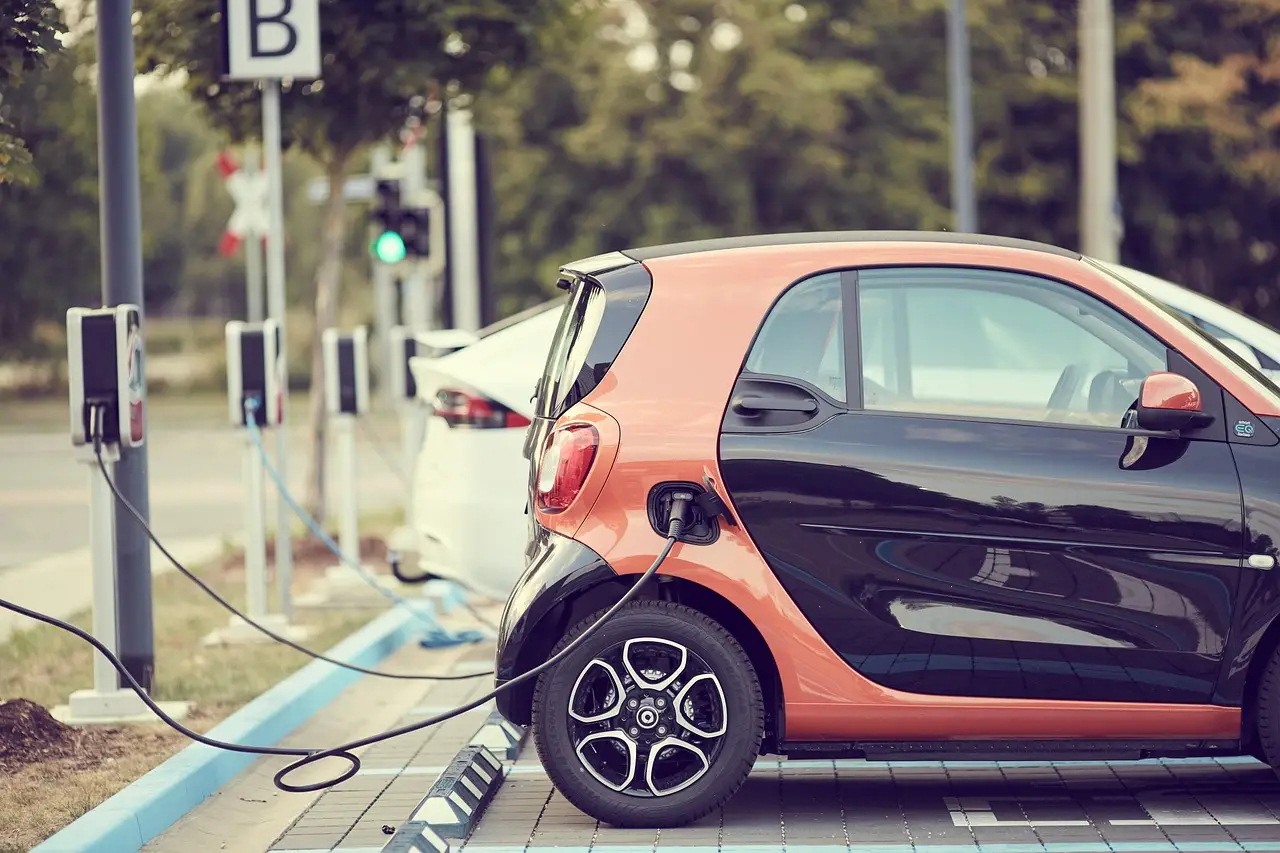
South Korea registered 807,829 new electrified vehicles in the first ten months of this year — 59.0% of all new-car registrations, or six out of every ten new vehicles on the road. The figure, up 19.4% year on year, already sits within striking distance of last year's full-year record of 814,158 units.
The data comes from the Korea Automobile & Mobility Association (KAMA). The old combustion guard is retreating fast: petrol registrations fell 19.3% to 423,793 units, while diesel collapsed 56.4% to 32,988. Electrified volume grew by 131,383 units against the same period last year, and if the pace holds through December, 2025 will set a new annual record.
What's pulling the number up?
Not everything electrified is moving together. Battery-electric registrations climbed 74.9% to 331,963 units. Hybrids slipped 2.2% to 470,385. Fuel-cell vehicles managed just 5,481 units, down 3.6%.
The EV recovery, according to KAMA's read of the market, reflects two things: a wider spread of entry-priced models, and sales growth from both domestic and imported brands. In plain terms — the affordable end of the EV market finally showed up.
How far have imports come?
A long way, and quickly. Imported-brand EV registrations grew more than threefold, from 40,140 units in full-year 2022 to 147,334 in January–October this year. Their share of the domestic EV market roughly doubled, from 25.0% to 44.4% over that stretch.
Hyundai and Kia bore the mirror image. The two Korean OEMs' share of EV registrations dropped 19.9 percentage points, from 73.3% in 2022 to 53.4% this year. Still a majority, but no longer a stranglehold.
Takeaway: Tesla and BYD now take nearly as many Korean EV registrations as the local incumbents — a swing few would have called in 2022.
Is domestic production keeping pace?
Yes, and the production line tells a cleaner story than the registration data. Korean automakers built 453,764 EVs in the first ten months — already past last year's full-year output of 394,457 units. It's the first time annual EV production has crossed the 400,000-unit line.
Overall industry output is improving too. Ministry of Trade, Industry and Energy data show October production of 381,000 vehicles, up 25.8% year on year. Eco-friendly vehicle exports earned $3.1 billion in the month, up 49%, with EV exports alone worth $1.04 billion — a 41.6% increase.
So the picture is consistent: Korea is building more EVs, selling more EVs at home, and shipping more abroad. The awkward detail is who's winning the home market while it happens.
What to watch next
The full-year record — 814,158 electrified registrations — should fall before December 31. More telling will be whether Hyundai and Kia's share of domestic EV registrations stabilizes above 50%, and whether hybrid demand keeps eroding as entry-level EV pricing spreads. The fuel-cell number, at 5,481 units, is a rounding error in search of a policy.
via news.jkn.co.kr (Source)
More from Daniel Okafor
Show full bio
Senior reporter covering regulation, policy and their impact on Automotive manufacturing and vehicle production at Autoplant Brief.
385 articles