ECO-9698 · REV A · effective October 11, 2026
Industry Analysis & MarketsAPPROVEDEngineering notice
IndexBox Projects Automotive Hardware Growth to 2035 on EV, ADAS Content
IndexBox projects automotive hardware demand growth to 2035, citing electrification and rising ADAS content per vehicle as the segment's principal drivers.
Scope of change
- IndexBox projects automotive hardware market development through 2035
- Electrification is cited as a primary growth driver for hardware content
- ADAS content per vehicle is cited as the second principal growth driver
- The projection is an analyst forecast, not a confirmed production figure
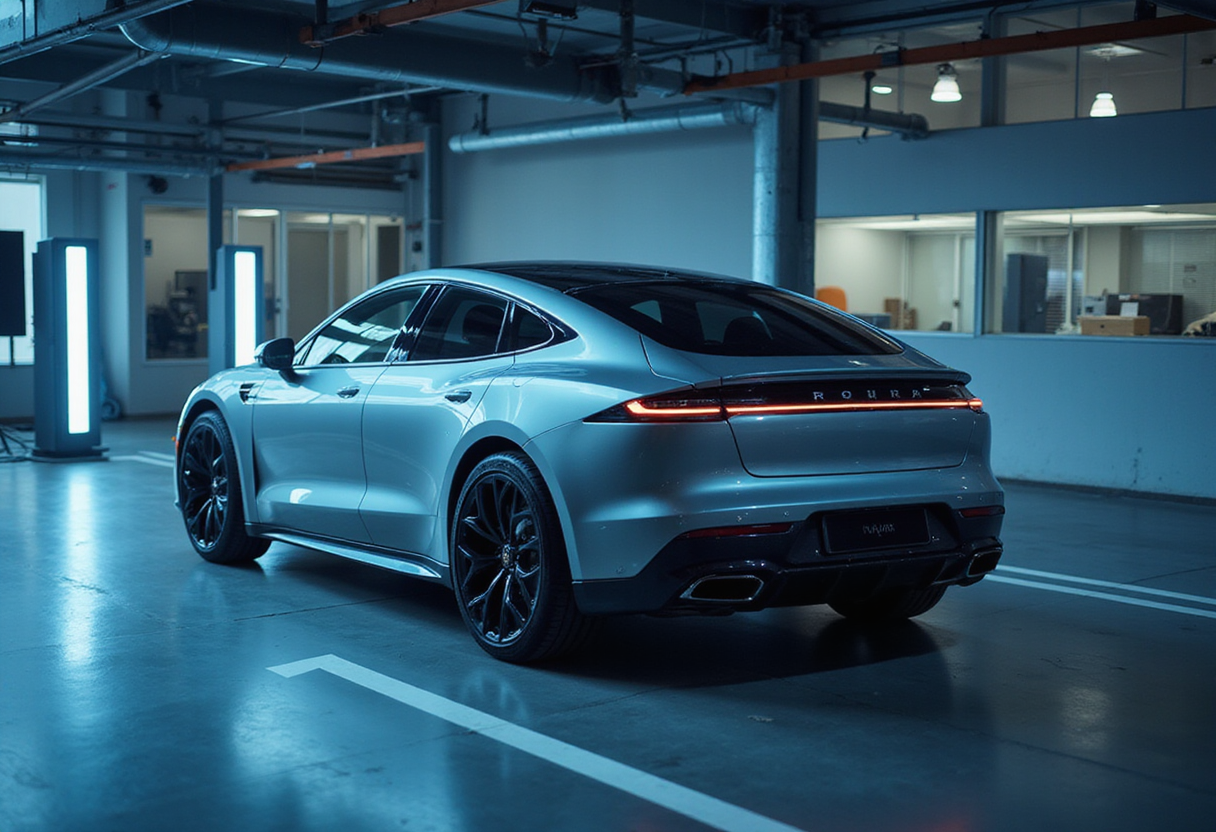
IndexBox has published a market study projecting automotive hardware demand out to 2035, with electrification and rising ADAS content per vehicle named as the two principal growth drivers.
The report frames the hardware segment — the fasteners, housings, structural and electronic-grade components that Tier 1 and Tier 2 suppliers ship to assembly plants — as a beneficiary of two simultaneous shifts in vehicle architecture. Battery-electric platforms carry different hardware content than combustion vehicles, and driver-assistance systems add sensors, mounts and electronic hardware to each unit built.
What does the report actually claim?
IndexBox positions the study as a forecast, not a production tally. Treat the 2035 horizon as the analytical endpoint:
- Electrification changes hardware demand per vehicle rather than simply adding volume
- ADAS content per vehicle increases the hardware bill of materials across segments
- The projection runs through 2035
As with any analyst projection, the growth thesis rests on announced OEM platform plans and supplier intentions rather than confirmed plant output. Automakers have disclosed electric-platform programs across North America, Europe and Asia, but program timing has shifted repeatedly, and capacity plans announced in press releases do not always convert into built units on schedule.
For plant-side readers, the relevant question is which hardware categories gain share of the per-vehicle bill of materials as electric platforms and ADAS suites scale. Suppliers in the structural and electronic-hardware tiers will need to validate the report's implied demand against actual build rates at the assembly plants they serve — a forecast of hardware content growth means little if EV launch volumes slip.
The report's growth case also depends on regulatory tailwinds for driver-assistance systems, which vary by market. Where mandates or consumer take-rates accelerate ADAS adoption, hardware content climbs faster; where adoption lags, the per-vehicle content gain narrows.
What to watch next: OEM EV platform launch dates and reported build volumes against announced capacity, ADAS fitment rates by region, and any regulatory decisions on driver-assistance requirements that would lock in hardware content per vehicle. Those data points will test whether the 2035 hardware-growth thesis holds.
via Google News: Automotive suppliers and Tier-1s (Source)
More from Sophie Lindqvist
Show full bio
Correspondent covering business strategy at Autoplant Brief.
180 articles
Also circulated
- EU Industry Accelerator Act Looms Over Europe's EV Plants
- CommercialSearch Report: EV Production Growth Loses Steam
- US Auto Plants Ramp Up Robot Spending, Assembly Magazine Reports
- IoT Analytics Frames SDV Race Around Four Adoption Dimensions
- CATL rises to No. 3 in global auto supplier rankings, Digitimes reports