ECO-2708 · REV I · effective September 30, 2026
Suppliers & Tier-1sAPPROVEDEngineering notice
Hyundai Partners with MIDA to Strengthen Malaysian Supply Chain
Hyundai signs cooperation with Malaysia's MIDA to develop the local automotive supply chain, opening a vendor qualification path that suppliers must now verify against firm component awards.
Scope of change
- Hyundai and MIDA have signed a collaboration to develop Malaysia's automotive supply chain, Automotive Logistics reports.
- The agreement does not yet specify component categories, local content targets, volumes or timing.
- The cooperation is an announced intention; verification will require confirmed supplier nominations or an investment filing with MIDA.
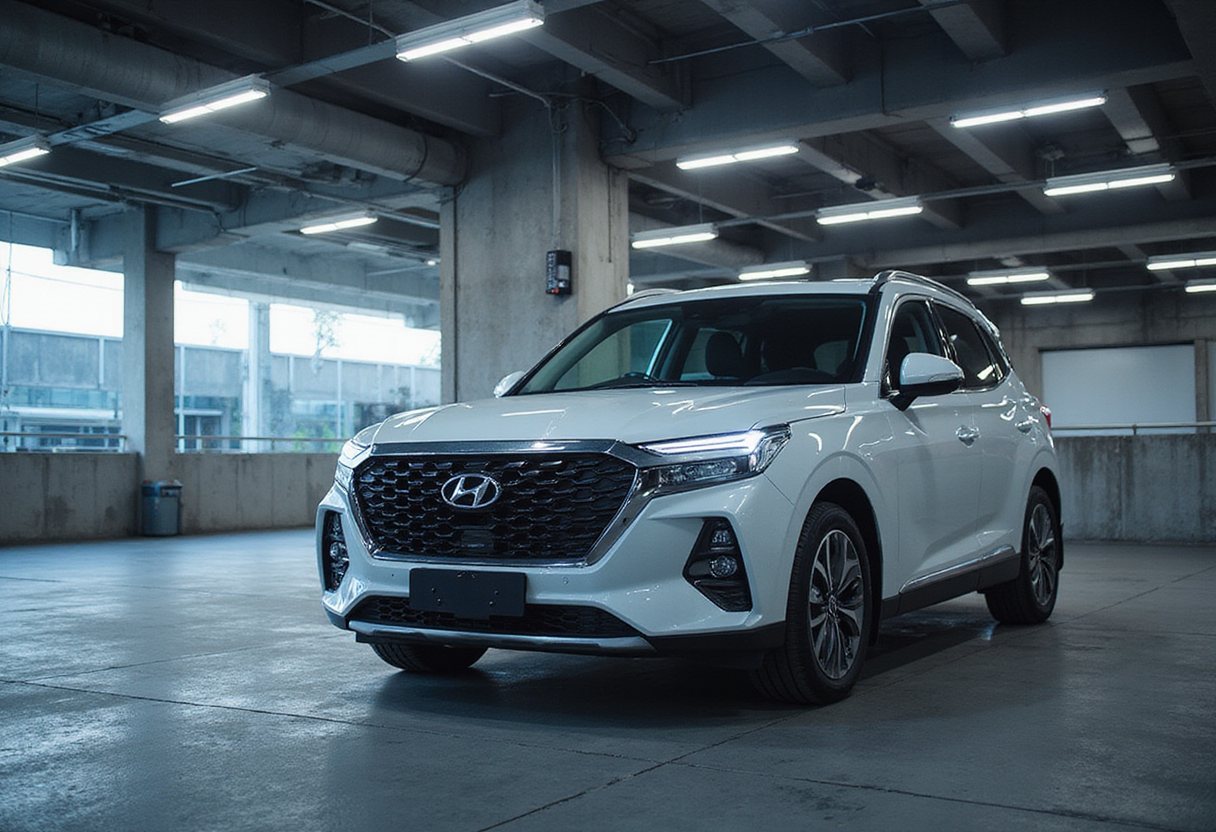
Hyundai has signed a collaboration with the Malaysian Investment Development Authority (MIDA) aimed at developing the country's automotive supply chain, according to a report by Automotive Logistics.
The agreement links the Korean OEM with Malaysia's principal investment promotion agency as Hyundai weighs how deep to anchor its vendor network in Southeast Asia's third-largest passenger vehicle market. MIDA, which sits under the Ministry of Investment, Trade and Industry, is the body foreign manufacturers must work through when structuring local sourcing commitments, tax incentives and vendor development programmes.
The collaboration signals Hyundai's intent to qualify local suppliers rather than simply import components through regional distribution. For Malaysian tier suppliers, an OEM programme of this kind typically opens a path into stamping, plastics, electronics and sub-assembly work — but the report does not yet specify which component categories MIDA and Hyundai will target first, nor the volume thresholds that would trigger localisation.
That gap matters. Supplier announcements of this type are intentions, not confirmed capacity plans. Until Hyundai names parts, plants or per-model local content targets, Malaysian vendors have no basis to tool up. The verification test will come in the production data: localisation commitments only count once component awards appear in supplier win notices and vehicle specifications change to reflect Malaysian-sourced parts.
The structure of the deal follows a familiar pattern in the region. OEMs entering or expanding in ASEAN markets routinely sign memoranda with national investment agencies to secure duty advantages under regional trade arrangements and to build political goodwill ahead of any assembly announcement. Malaysia's national automotive policy rewards high local content, and agencies such as MIDA administer the incentive packages that make local sourcing economically viable against imported components from Thailand, Indonesia or Korea.
For Hyundai, a supplier development programme in Malaysia would complement its existing Southeast Asian footprint, where Thailand and Indonesia have served as the company's regional production anchors. A deeper Malaysian vendor base could support either fully imported vehicle sales with local aftermarket and component supply, or a future assembly arrangement — the report does not state which.
Malaysia's supplier base gives the plan a credible starting point. The country hosts established component manufacturers serving Proton, Perodua and several foreign assemblers, and national vendor development programmes have built tier-two depth in areas such as wire harnesses, interior trim and machined parts. Hyundai's programme, if it converts from agreement to orders, would plug local firms into a global OEM quality system — an upgrade path Malaysian suppliers have pursued through partnerships with Geely following its Proton stake.
The harder question is timing and scale. MIDA collaborations of this type typically precede, rather than replace, formal investment decisions. Nothing in the announced cooperation commits Hyundai to a plant, a headcount or a sourcing value. Suppliers and state officials will read this as a door opening, not a contract signed.
What to watch next: whether Hyundai and MIDA publish a localisation roadmap with component categories and volume targets; whether any Malaysian supplier announces a Hyundai qualification or nomination within the next two quarters; and whether the cooperation precedes a larger investment filing with MIDA, which would signal assembly rather than sourcing alone.
via Google News: Automotive suppliers and Tier-1s (Source)
More from Marcus Bennett
Show full bio
News editor covering marketplaces and e-commerce at Autoplant Brief.
86 articles
Also circulated
- Malaysia Positions Itself As Southeast Asia's Next EV Build Hub
- MASARAT Mobility Park Links with TASARU Supplier Hub in Saudi Deal
- Hyundai to Fast-Track Ulsan EV Plant Conversion, Report Says
- ITIF: US Auto Industry Needs National Strategy for China Challenge
- OEM–Supplier Relations, Fundamentally Different Now