ECO-2626 · REV E · effective October 26, 2026
Powertrain ProductionAPPROVEDEngineering notice
Horse Powertrain puts $40.1m gravity-casting plant live in Curitiba
Horse Powertrain opens a $40.1m gravity-casting plant in Curitiba with 210,000 cylinder heads annual capacity, cutting embedded CO2 per head by 35%.
Scope of change
- Horse Powertrain opened a 200m reais ($40.1m) gravity-casting facility in Curitiba, Brazil
- The plant has an annual capacity of 210,000 aluminium cylinder heads for H10 and H13 flex-fuel engines
- The company says gravity casting cuts embedded CO2 per cylinder head by 35% versus injection processes
- Funding was first disclosed in September 2024 alongside a separate 100m reais H13 assembly expansion
- Horse Powertrain, a Geely-Renault-Aramco JV, opened a Detroit office last month for its North American push
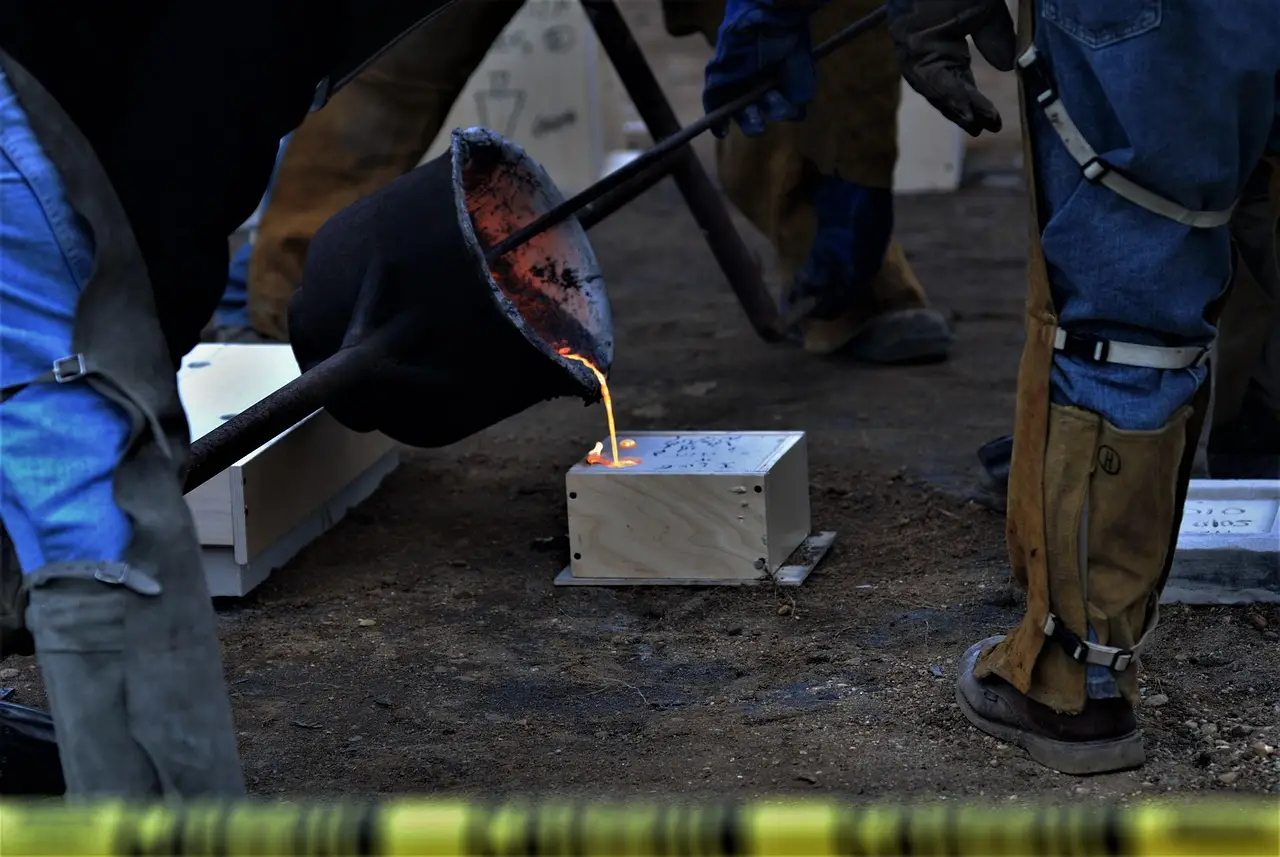
Horse Powertrain has opened a 200m reais ($40.1m) gravity-casting facility in Curitiba, Brazil, capable of producing 210,000 aluminium cylinder heads a year. That's the hardest number in the story, and it's a confirmed, operating line — not a roadmap item.
The heads feed the turbocharged Horse H10 1.0-litre and Horse H13 1.3-litre gasoline/ethanol flex-fuel engines built at the same Curitiba site, powering passenger vehicles sold in Brazil and across South American markets.
Why gravity casting, and why here?
The Curitiba unit is the joint venture's first deployment anywhere of gravity casting for cylinder head production. It replaces the high- and low-pressure injection systems currently used at the factory: molten aluminium simply fills the mould under natural gravitational pull.
The company claims the method delivers more uniform material distribution with fewer air pockets, which it says enhances component durability and strength. On the design side, Horse says the delta shape of the cylinder heads lowers overall engine mass and the centre of gravity while improving thermal management.
Note the framing: these are engineering claims from the OEM, not independently verified against production data. Still, the process change is real, and so is the claimed environmental dividend — the company states the new method cuts embedded CO2 emissions per cylinder head by 35% against its established injection processes. That's roughly a third less carbon baked into every head before an engine ever fires.
The plant also runs an integrated furnace-to-mould melting and transit procedure, designed to curb heat and metal losses during casting and extend mould operating life. In a foundry, saved heat is saved money.
What's behind the investment?
Funding for the casting unit was originally disclosed in September 2024, alongside a separate 100m reais commitment to expand assembly capacity for the Horse H13 engine at Curitiba. Together that's 300m reais — call it $60m — committed to the site in one announcement.
Horse Powertrain itself is a young heavyweight: a joint venture between Geely, Renault Group and Aramco.
CEO Matias Giannini said: "Our new gravity casting facility marks an important milestone in the history of our operations in Brazil. Horse Powertrain's Brazilian plant is recognised across South America for the quality of its products, and its leadership in delivering state-of-the-art powertrains that use gasoline-ethanol flex fuels."
Milestone language is standard ribbon-cutting fare. The capacity number and the 35% emissions cut do more work.
Is Curitiba part of a bigger move?
It looks that way. Just last month, Horse Powertrain established an office in Detroit, marking its expansion into North America and serving as an operational hub for customers across the US.
So within roughly 30 days, the JV has added a Brazilian production first and a US commercial foothold. The pattern suggests a company building out regional coverage rather than running one-off projects.
What to watch next
The near-term markers are concrete: whether the Curitiba line actually runs at its 210,000-head annual rate, when the 100m reais H13 assembly expansion comes online, and whether gravity casting migrates from "first deployment" to standard practice across other Horse plants. The Detroit office's first named US customers would also tell us how serious the North American push is.
For now, Curitiba casts ahead — under gravity, appropriately enough.
via just-auto (Source)
More from Daniel Okafor
Show full bio
Senior reporter covering regulation, policy and their impact on Automotive manufacturing and vehicle production at Autoplant Brief.
306 articles
Also circulated
- Horse Powertrain Launches Three New Products at Yiwu Plant
- AL Circle Analysis Maps Aluminium Giga-Casting's Cost-Trap Alternatives
- Toyota to Build Its Own Gigacasting Tech for China EV Plant
- Toyota Targets In-House Gigacasting for Lexus EV Plant in China
- WSJ Report: Aluminum Crisis Is Hitting the Auto Industry