ECO-5086 · REV Q · effective October 16, 2026
EV Manufacturing TransitionAPPROVEDEngineering notice
Toyota to Build Its Own Gigacasting Tech for China EV Plant
Toyota plans to develop gigacasting technology in-house for a China EV plant, shifting away from external press suppliers. Details on capacity and timing remain unconfirmed.
Scope of change
- Toyota intends to develop gigacasting technology in-house rather than sourcing it from external suppliers.
- The technology is tied to a Toyota EV plant in China.
- No production capacity, investment figure, or launch date accompanied the announcement.
- Gigacasting replaces dozens of stamped parts with single large castings, cutting press-shop complexity.
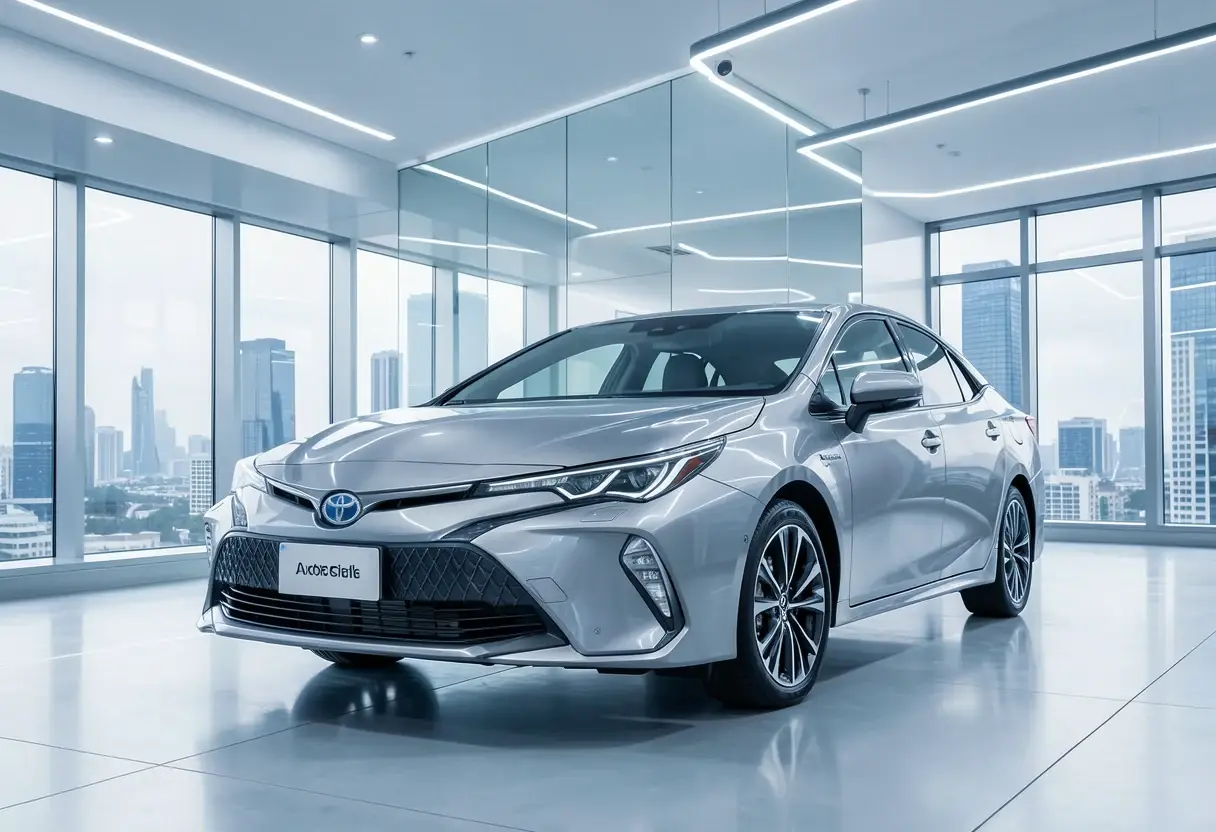
Toyota plans to develop its own gigacasting technology in-house for an electric vehicle plant in China, according to a report carried by MarketScreener. That is the whole confirmed story: an intention, an in-house development path, and a China location. The report, as surfaced, carries no capacity figure, no investment amount, and no launch date.
The absence of numbers matters. Gigacasting programs are capital-intensive, and OEMs usually announce them with a plant name, a vehicle program, and a start of production. Toyota has so far offered none of those anchors in this report.
What is gigacasting, and why does Toyota want it?
Gigacasting uses very large high-pressure die-casting machines to produce single rear or front body sections. It replaces dozens of stamped and welded parts with one casting. Tesla popularized the approach on the Model Y rear underbody, and Chinese EV makers have adopted it quickly.
The appeal is cost and plant simplification. Fewer parts mean fewer press lines, fewer welds, and shorter assembly times. For Toyota, which trails Chinese EV rivals on cost per vehicle, the technology is a defensive move as much as an innovation.
What does "in-house" actually change?
Most OEMs buy gigacasting presses and cells from equipment makers such as IDRA, Bühler, or Ube. Developing the capability in-house would give Toyota control over the process, the dies, and the know-how.
The word "develop" deserves scrutiny, though. It does not guarantee production. Automakers announce development programs regularly; some reach the line, some do not. The report does not say whether Toyota has built a prototype press, cast a trial part, or set an engineering deadline.
There is also a middle path the headline may obscure. "In-house" could mean Toyota engineers its own casting designs and dies while still buying presses from established suppliers. That is how Tesla started. The report does not distinguish between the two interpretations.
Why China, and why now?
China is the logical site. It hosts the deepest gigacasting supplier base in the world, from press builders to die makers to aluminum alloy producers. Chinese EV startups already cast large body sections at scale, and they price aggressively.
Toyota sells EVs in China through joint ventures with GAC and FAW. The report does not say which plant would receive the technology, or whether a joint-venture partner would co-develop it. That question is unresolved.
What is not said
Several data points a production story needs are missing here:
- No plant location beyond "China."
- No clamping force for the casting press, the standard industry yardstick.
- No parts-per-hour or cycle-time target.
- No investment figure.
- No start-of-production date or named vehicle program.
- No confirmation from Toyota itself in the surfaced text.
Until Toyota confirms the program with numbers, this remains an announced intention, not a capacity plan. Treat it as a claim to verify against actual production data.
What to watch next
Watch for three confirmations. First, a named plant and vehicle program from Toyota or its Chinese joint venture. Second, an equipment order — an in-house claim contradicted by a large IDRA or Bühler contract would tell its own story. Third, a trial casting shown publicly, which is how these programs usually surface from rumor into engineering reality.
By Amara Osei
via Google News: EV manufacturing (Source)
More from Amara Osei
Show full bio
Market editor covering technology and product news in Automotive manufacturing and vehicle production at Autoplant Brief.
228 articles