ECO-4754 · REV A · effective September 26, 2026
EV Manufacturing TransitionAPPROVEDEngineering notice
Georgia's EV Manufacturing Bet Meets Federal Reversal
Georgia anchored its industrial strategy on EV manufacturing. The Trump administration's policy reversal now puts those state-backed projects and their demand assumptions at risk.
Scope of change
- Georgia recruited EV and battery manufacturers with federal incentives as a foundation of its pitch
- The incoming Trump administration has pledged to roll back federal EV support policies
- Demand forecasts behind Georgia's EV plant capacity plans depend on federal tax credits
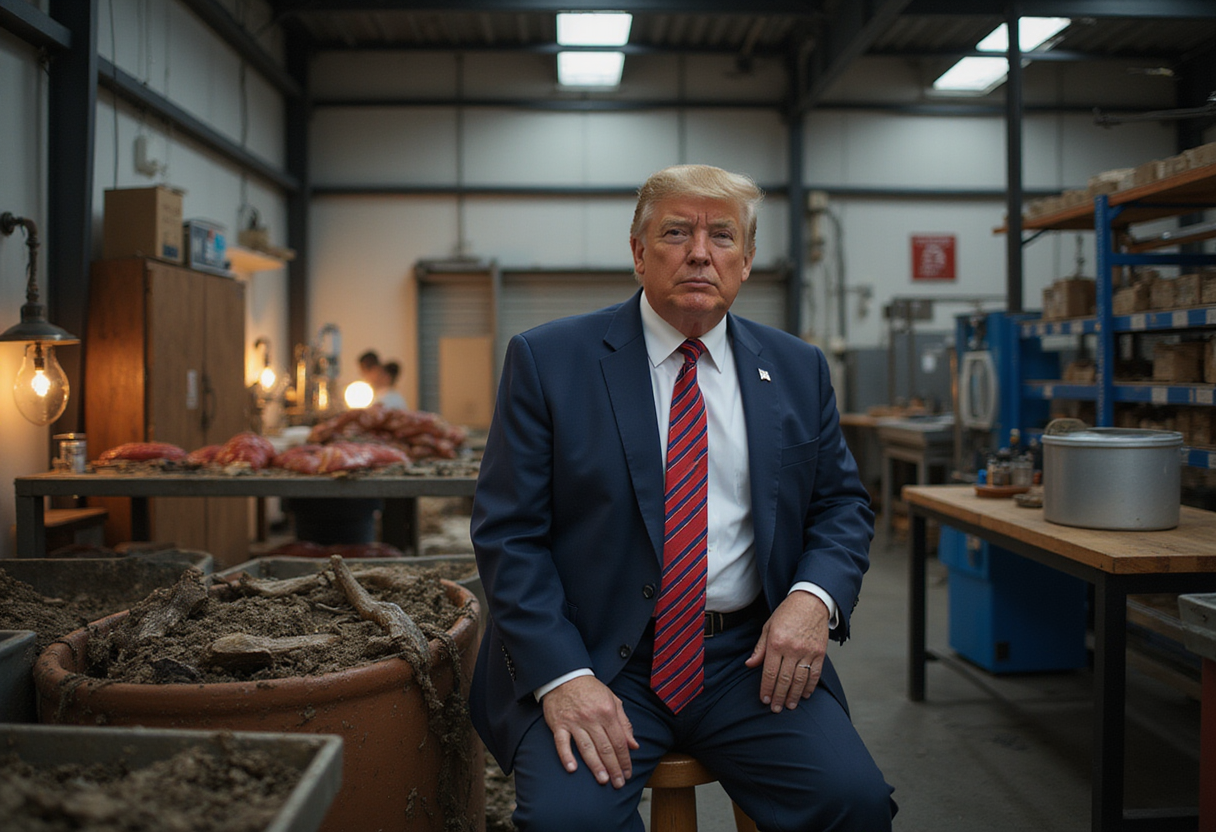
Georgia staked its manufacturing future on electric vehicles. The incoming Trump administration has moved to pull the federal support that underpinned that wager.
The state spent years courting EV and battery manufacturers, positioning itself as a Southeastern hub for electrified vehicle production. Federal incentives under the Biden administration — including consumer tax credits and factory subsidies — helped anchor those recruitment efforts. President-elect Donald Trump has pledged to unwind those policies, and the transition now threatens the economics of projects Georgia already counts among its biggest industrial wins.
The exposure is direct. Georgia's headline EV recruitment victories were negotiated on assumptions about federal demand-side support: tax credits that made EV purchases cheaper and, by extension, made the plants building those vehicles viable at projected volumes. Remove the credits, and the demand forecasts behind those capacity plans come into question.
This is the core risk for any state that tied industrial policy to a single federal regime. Georgia's economic development apparatus confirmed its EV commitments at a moment when Washington's policy direction appeared stable across administrations. It was not. What Georgia treated as confirmed investment now depends on policy decisions that sit outside its control.
The state's position is not unique — the Southeast broadly won the largest share of announced EV and battery plant investment since 2021 — but Georgia's concentration of EV-linked projects makes it a test case for how quickly federal reversals translate into delayed construction, revised volume targets, or withdrawn programs.
For OEMs and suppliers with Georgia exposure, the immediate task is stress-testing business cases against a post-credit demand curve. For the state, the question is whether commitments negotiated with incentive assumptions can hold if those incentives disappear.
What to watch: the fate of the federal EV tax credit in the first months of the new administration, whether any Georgia-linked EV or battery project announces a revised timeline or capacity figure, and how the state's economic development agency repositions its recruitment pitch if federal EV support erodes.
via Google News: EV manufacturing (Source)
More from Grace Kim
Show full bio
Staff writer covering industry trends and analytics at Autoplant Brief.
82 articles