ECO-4673 · REV F · effective November 19, 2026
EV Manufacturing TransitionRELEASEDEngineering notice
Ford Starts Shipping LFP Cells From Michigan Plant at 40 a Minute
Ford's Michigan plant ships first CATL-licensed LFP cells at 40 per minute, feeding Fathom pickup prototypes after a project cut from $3.5bn and 35 GWh to $2bn and 20 GWh.
Scope of change
- Marshall, Michigan plant produces prismatic LFP cells at 40 per minute, among the fastest lines outside China.
- Investment and capacity were cut in November 2023 from $3.5 billion and 35 GWh to $2 billion and 20 GWh.
- Ford recorded $19.5 billion in EV-related impairment charges in December 2025 but kept the LFP project.
- A supporting battery pack plant in Marshall and a Kentucky storage plant both target 2027 production starts.
- First cells will power Fathom electric pickup prototypes at Louisville Assembly Plant.
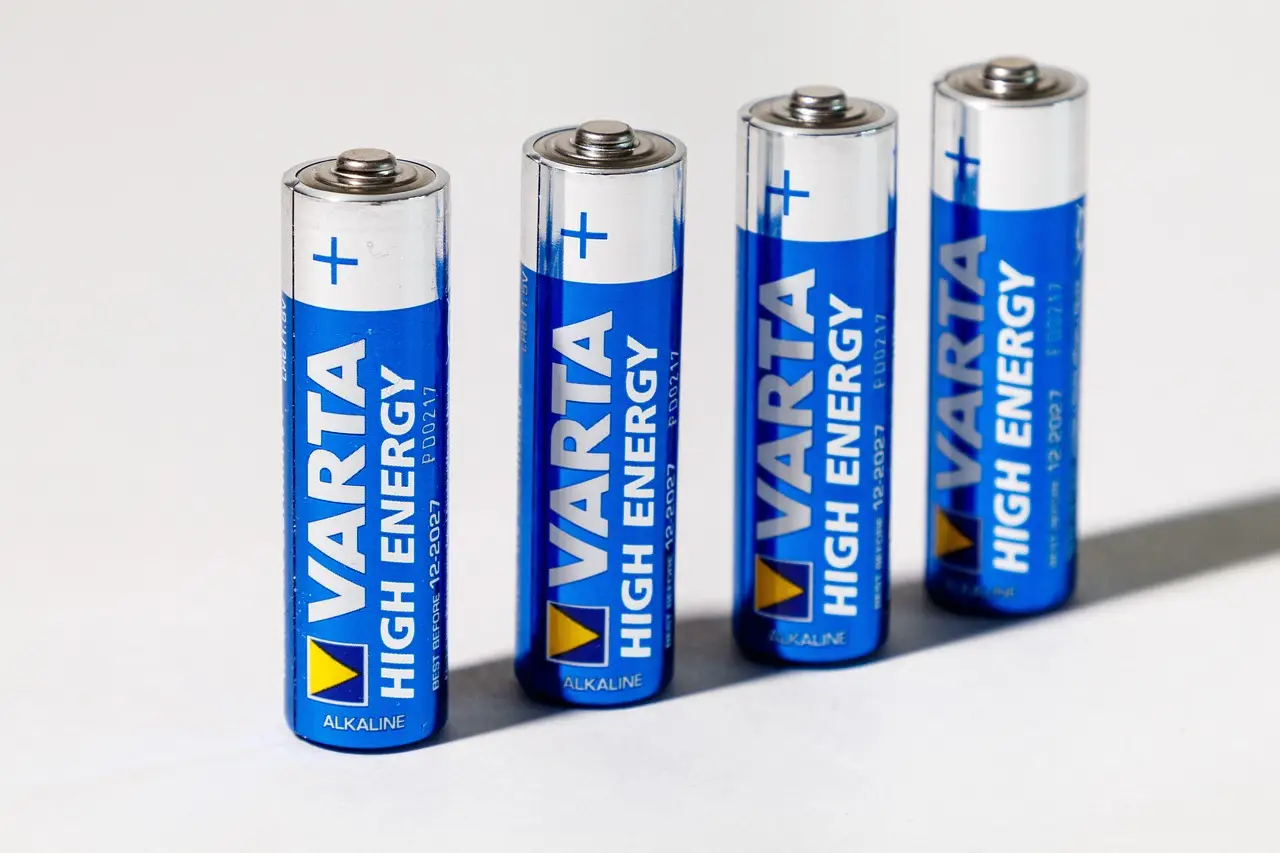
Ford's BlueOval Battery Park Michigan now produces prismatic lithium iron phosphate cells at a rate of 40 cells per minute, placing the Marshall plant among the fastest prismatic LFP (a chemistry that trades energy density for lower cost and durability) lines outside China. The first commercial-scale shipments mark Ford's official entry into battery manufacturing and, by the company's account, make it the first automaker to bring LFP batteries to the mainstream US consumer automotive market.
Charles Poon, Ford's vice president of hardware engineering, said in a Wednesday statement that the cells are headed to the Louisville Assembly Plant, where they will power prototypes of the Fathom electric pickup truck. Ford expects the cheaper chemistry to pull pure electric vehicle prices lower across its lineup.
How Ford cut cost and weight
Ford licensed proven technology from CATL, the world's largest battery maker, rather than developing a new chemistry in-house. It then integrated the prismatic battery pack directly into the vehicle design as a structural chassis component — a pack that carries load instead of sitting inside a frame, saving both weight and material cost.
The plant's lines also use AI image recognition to pursue a defect rate at the parts-per-billion level, a standard CATL itself applies to mass production.
A project that shrank under political pressure
The partnership began in February 2023, when Ford announced a $3.5 billion investment in a plant with 35 GWh of annual capacity, with CATL providing technology licensing and operational support. After US Republican lawmakers questioned whether federal subsidies could indirectly flow to CATL, Ford halted the project temporarily in 2023.
It restarted in November that year with the investment cut to $2 billion and annual capacity trimmed to 20 GWh — roughly the output needed for a few hundred thousand vehicles a year, depending on pack size. The licensing structure kept CATL at arm's length from ownership: Ford wholly owns and operates the plant.
Impairments, but the LFP project survived
Policy headwinds compounded the pressure. The early termination of US federal EV tax credits in September 2025 pushed Ford to record $19.5 billion in related asset impairment charges in December 2025, yet the company kept the LFP project alive and decided to expand into the energy storage business.
The plant hit its milestones on schedule. Ford announced in June that it had completed full-process trial production of its first cells and was testing them under CATL standards. It has now delivered automotive power cells within the year, as planned.
What comes next
Ford plans to bring a supporting battery pack plant into operation in Marshall in 2027, ahead of the official launch of the Fathom electric pickup. Manufacturing experience from the Michigan launch is also transferring to a battery energy storage system plant in Glendale, Kentucky, which Ford Energy president David Carroll said on Thursday is preparing for its own start of production in 2027.
Watch three markers next: whether the 20 GWh nameplate is reached and sustained, whether the 2027 pack plant in Marshall starts on time, and how the Fathom's launch pricing compares with rival electric pickups.
via fromtheroad.ford.com (Original)
More from Sophie Lindqvist
Show full bio
Correspondent covering money, funding and market shifts around Automotive manufacturing and vehicle production at Autoplant Brief.
319 articles
Also circulated
- Ford CEO Farley Addresses Louisville Universal EV Plant Questions
- Ultium Cells to Convert Spring Hill Plant for LMR Cell Output
- Traton R&D chief confirms LFP batteries under review for trucks
- Xiaomi Registers New Subsidiary for EV Battery Powertrain Production
- Ford Transfers Land Surrounding BlueOval City to Calhoun County