ECO-6937 · REV N · effective October 2, 2026
EV Manufacturing TransitionRELEASEDEngineering notice
Ford CEO Farley Addresses Louisville Universal EV Plant Questions
Ford CEO Jim Farley has spoken publicly about the Louisville Universal EV plant, addressing questions on the Kentucky site central to Ford's electric vehicle production plans.
Scope of change
- Ford CEO Jim Farley publicly addressed questions about the Louisville Universal EV plant
- The Kentucky plant is built around a universal EV platform intended for multiple Ford electric models
- The program's timing and capacity plans remain key watch items for Ford's supplier base and Model e profitability push
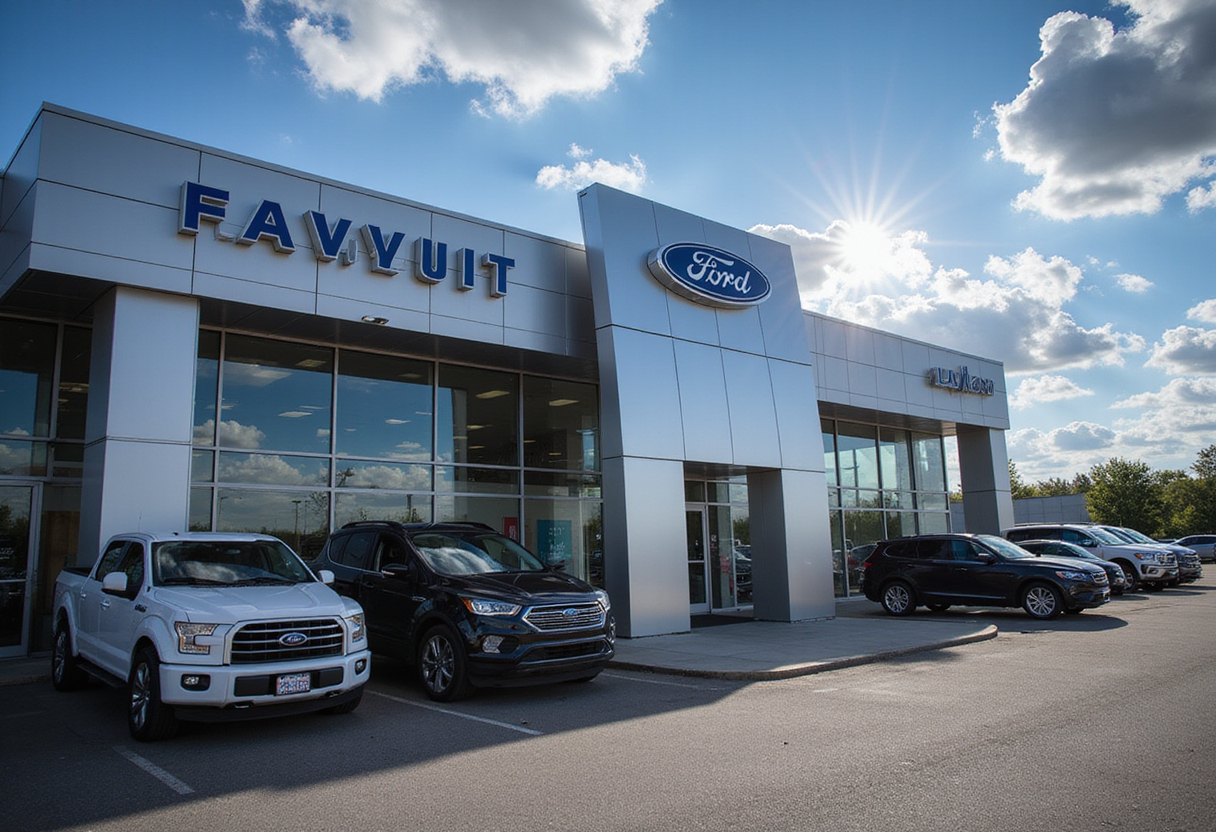
Ford Motor Company Chief Executive Jim Farley has publicly addressed questions surrounding the company's Louisville Universal EV plant, breaking his silence on a facility that has drawn growing attention from Kentucky manufacturing watchers and the automotive supplier base alike.
The Louisville plant sits at the center of Ford's electrification strategy in the United States. Ford has positioned the Kentucky operation — part of a broader manufacturing footprint in the Louisville area that also includes the Kentucky Truck Plant and the Louisville Assembly Plant — as a key production site for its next generation of electric vehicles. The company has previously announced plans to build a universal electric vehicle platform at the site, intended to underpin multiple battery-electric models for the North American market.
Farley's comments come at a sensitive moment for Ford's EV program. The automaker has repeatedly adjusted the pace of its electric vehicle rollout over the past two years, recalibrating capacity plans, delaying selected model launches and re-scoping several battery and assembly investments as demand for battery-electric vehicles in North America has grown more slowly than earlier industry forecasts assumed. Suppliers tied to the Louisville program have watched those shifts closely, since timing changes at the OEM level ripple directly through tooling schedules, launch contracts and staffing plans at tier one and tier two vendors.
The Louisville Universal EV plant itself carries significant weight in Ford's industrial plan. The automaker has committed to an all-new assembly operation built around a flexible EV architecture — an approach designed to let Ford produce multiple body styles and segments off a common platform, improving scale economics on electric vehicles. That universal-platform strategy is central to Ford's stated goal of lowering EV production costs and reaching profitability in its Model e electric-vehicle business, which has posted substantial losses while the company invested in new capacity.
For the Louisville region, the stakes extend beyond the OEM. Ford's manufacturing presence in Kentucky supports a dense network of suppliers across the Louisville metropolitan area and the broader Midwest corridor, spanning stamping, seating, electronics, battery components and logistics providers. Any clarification from the CEO's office on the plant's direction — whether on timing, product allocation or capacity — functions as a signal for hundreds of supplier firms that have aligned their own capital plans to Ford's EV schedule.
Farley has framed Ford's EV strategy in recent public appearances as a balance between disciplined investment and competitive positioning. The company has pushed back some electric model programs while continuing to commit to the ones it views as volume-critical, and the Louisville universal-platform plant falls into that second category. The CEO's willingness to speak directly about the facility suggests Ford wants to steady expectations around the program after a period of industry-wide skepticism about EV capacity announcements made during the 2021–2023 investment wave.
Investors and manufacturing analysts have pressed automakers this cycle to separate confirmed, funded capacity from aspirational announcements. Under Farley, Ford has taken a more conservative posture than several competitors, trimming planned EV spending and re-phasing plant conversions rather than holding to original timelines. The Louisville Universal EV plant has been watched as a test of whether that discipline still delivers a competitive, high-volume electric platform on schedule.
Kentucky officials, meanwhile, have a direct interest in the plant's trajectory. State and local incentives tied to automotive investment typically carry job and production commitments, and Ford's employment footprint in Louisville ranks among the largest in the region. Shifts in program timing at the plant carry consequences for hiring plans, supplier park utilization and regional freight volumes.
The detail of Farley's remarks — what he confirmed about launch timing, capacity numbers or model assignments — matters for anyone tracking the program. Ford has not laid out full production volumes publicly for the universal EV platform, and the company's statements on the plant have evolved as market conditions changed.
What to watch next: Ford's next official production commitment on the Louisville Universal EV plant, including any confirmed launch date for the first universal-platform model; the corresponding tooling and sourcing announcements from tier-one suppliers; and the quarterly Model e results that will determine whether the capacity plan holds or gets re-phased again.
via Google News: EV manufacturing (Source)
More from Sophie Lindqvist
Show full bio
Correspondent covering business strategy at Autoplant Brief.
97 articles