Effective November 20, 2026
Auto Industry PolicyEngineering notice
EU Safeguard Probe Puts R36 Billion of South African Hybrid Exports at Risk
Brussels opened a safeguard probe on 30 October after EU hybrid imports rose 49% to 1,423,691 units. Pretoria says R36 billion ($2bn) in exports is at risk and wants a quota carve-out.
Scope of change
- EU hybrid imports rose 49%, from 957,965 units in 2023 to 1,423,691 in the 12 months to 30 June 2026.
- South Africa estimates R36 billion ($2 billion) in exports could be affected if restrictions are imposed.
- The European Commission opened the safeguard investigation on 30 October; no restriction has been imposed.
- The Commission allows up to nine months for a decision and provisional measures of up to 200 days.
- EU-South Africa trade in transport equipment reached €9.5 billion in 2025, 21% of total goods trade.
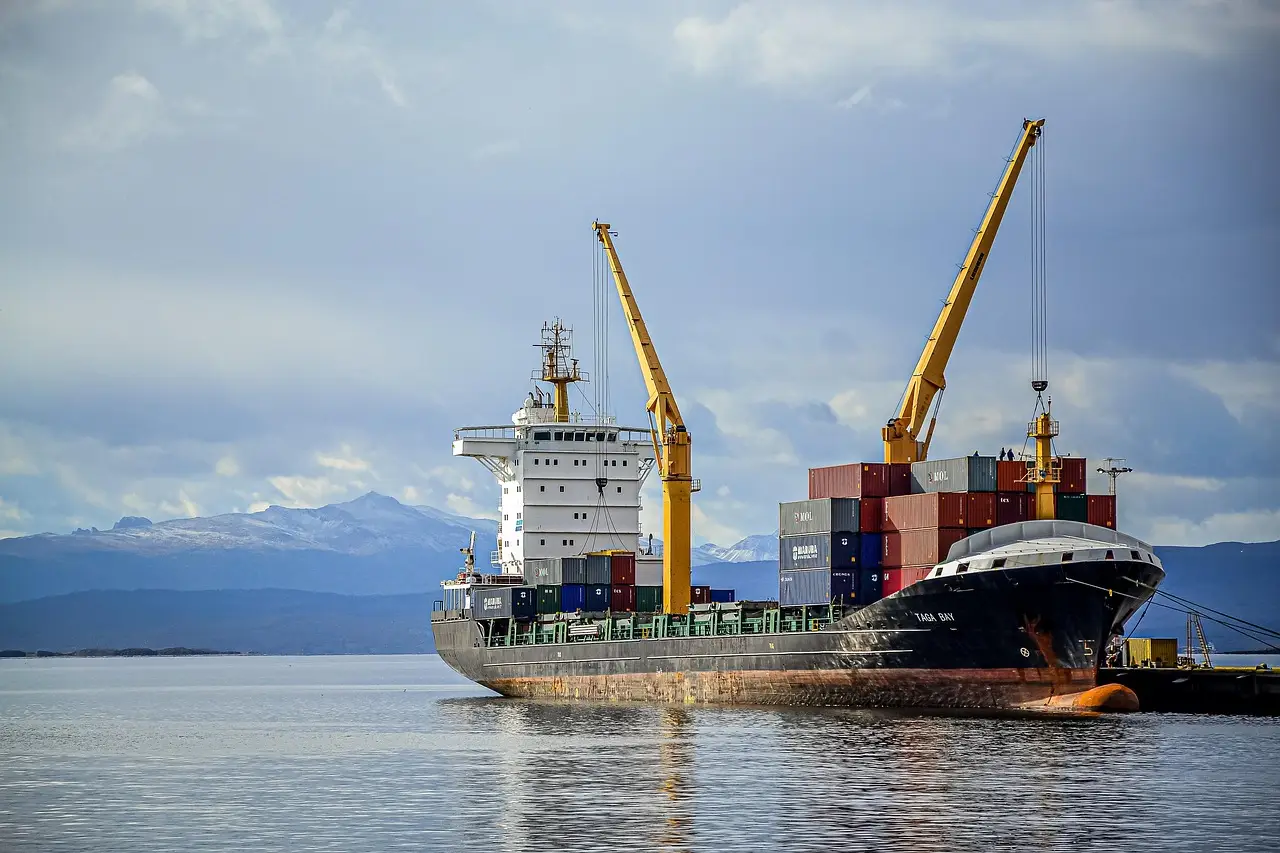
R36 billion — roughly $2 billion — is the value of South African exports that could be hit if the EU imposes restrictions on hybrid car imports. That figure comes from Pretoria's own assessment, reported as the stakes in a trade investigation that Brussels opened on 30 October and has not yet decided.
The European Commission's safeguard investigation covers certain new hybrid passenger cars. That includes both plug-in hybrids, which charge from an external source, and conventional hybrids, which do not. The probe examines imports into the EU broadly. It is not a restriction aimed specifically at South Africa or China.
What do the Commission's numbers show?
The Commission's notice says imports of the vehicles under investigation rose from 957,965 units in 2023 to 1,423,691 in the 12 months to 30 June 2026. That is a 49% increase over the period examined.
The Commission cites this surge as threatening serious harm to EU carmakers, pointing to pressure on their market share and profitability. Those are the stated grounds for opening the probe. They are not a final finding.
Worth noting: the import numbers come from the Commission's own notice, and the probe was opened on those claims. No independent verification of the injury assessment appears in the public record yet.
What does South Africa want?
Deputy director-general for trade Xolelwa Mlumbi-Peter said Pretoria would seek an exemption or a country-specific quota if the EU proceeds with safeguards. Bloomberg reported the position.
Pretoria wants a country-specific arrangement rather than an across-the-board measure that could limit its access to the European market. That request is not an agreed exemption or quota. Nothing has been granted.
South Africa's request will have to move through the EU's trade process. There is no shortcut in the investigation timeline for it.
How fast could restrictions arrive?
The Commission's notice allows up to nine months for a decision, with a possible extension in exceptional circumstances. It also permits provisional measures of up to 200 days if the Commission finds critical circumstances.
No safeguard has been agreed. The EU is still investigating whether rising imports are causing, or threaten to cause, serious injury to European producers. Any restriction that follows could affect South African manufacturers seeking to sell hybrid vehicles in Europe.
How big is the trade relationship?
The EU is South Africa's largest trading partner and its biggest trading partner in sub-Saharan Africa. The European Commission says trade in transport equipment between the two reached €9.5 billion in 2025, accounting for 21% of their total goods trade.
That €9.5 billion figure covers transport equipment beyond hybrid cars. It should not be confused with the R36 billion export-risk estimate, which is narrower and tied specifically to the vehicles under investigation.
The dispute also lands as the EU and South Africa pursue a Clean Trade and Investment Partnership covering clean technology and supply chains. That partnership does not settle the safeguard investigation. Pretoria's request will be considered separately, through the EU's trade process.
What to watch next
Watch for the Commission's provisional findings, which could arrive within 200 days if it finds critical circumstances, and for the nine-month decision deadline running from the 30 October opening. Whether Pretoria secures a quota carve-out — and what the final definition of "serious injury" turns out to be — will determine whether the R36 billion risk becomes a real loss.
via africa.businessinsider.com (Source)
More from Amara Osei
Show full bio
Market editor covering technology and product news in Automotive manufacturing and vehicle production at Autoplant Brief.
336 articles
Also circulated
- EU weighs tariff-rate quotas on China-made hybrids as imports surge 13-fold
- EU Prepares Import Restrictions on Chinese Hybrids After Beijing Refuses Voluntary Caps
- Beijing Says EU Hybrid Deal Allows Export Growth From 302,000 Units
- EU weighs hybrid safeguard quotas after China rejects export curbs
- EU Presses UK to Tariff Chinese EVs or Face 'Made in Europe' Barriers