ECO-7434 · REV U · effective October 9, 2026
Suppliers & Tier-1sAPPROVEDEngineering notice
ECARX pays $266m for Flyme software in full-stack cockpit push
ECARX has paid 1.8bn yuan ($266m) in cash to take full control of Hubei Qiguang Technology, the entity holding the Flyme cockpit and cross-device operating system software previously housed inside Geely's DreamSmart Group.
Scope of change
- ECARX paid 1.8bn yuan ($266m) cash for full ownership of Hubei Qiguang Technology, the Flyme software entity.
- Independent valuation dated 31 May 2026 set Hubei Qiguang at 1.82bn yuan; deal first announced 22 June 2026.
- Roughly 70% of the purchase was funded via ten-year syndicated loans from Chinese commercial banks; ECARX will inject a further 200m yuan of capital.
- ECARX technology runs in more than 12 million vehicles, with 18 global automakers and 28 vehicle brands on the customer roster.
- Flyme portfolio covers two products: Flyme Auto in-vehicle cockpit OS and Flyme OS cross-device operating system.
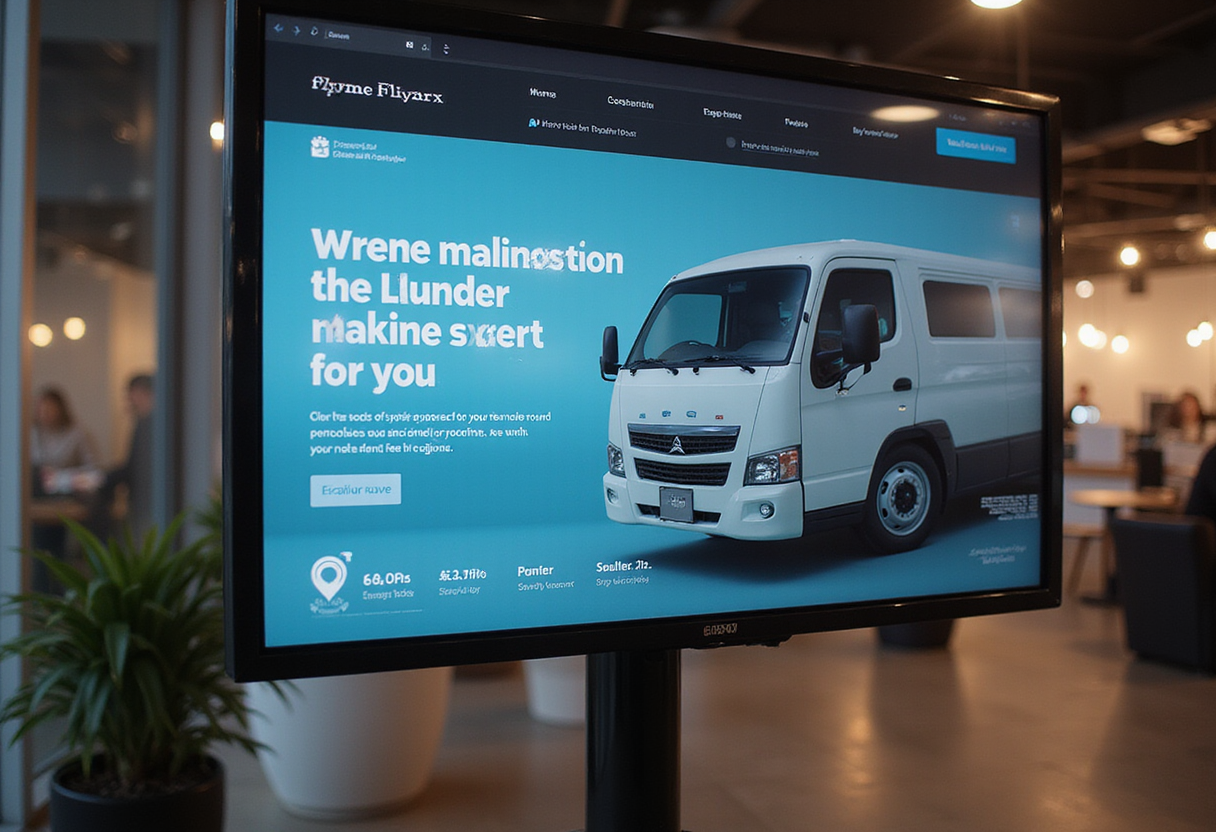
ECARX Holdings has paid 1.8bn yuan ($266m) in cash to take full ownership of Hubei Qiguang Technology, the entity that houses the Flyme software business, the London-headquartered automotive technology supplier confirmed this week.
What did ECARX actually buy?
Hubei Qiguang was formed inside Geely-owned DreamSmart Group to bundle the Flyme assets under one corporate roof. The package transferred to ECARX includes all Flyme intellectual property, the R&D teams, engineering resources, OEM customer contracts and the operational infrastructure that kept the business running.
The transaction covers two products:
- Flyme Auto — an in-vehicle cockpit operating system designed to slot into OEM infotainment stacks
- Flyme OS — a cross-device operating system that extends beyond the car into phones, tablets and other devices
An independent valuation dated 31 May 2026 put Hubei Qiguang at 1.82bn yuan, a figure broadly aligned with the 1.8bn yuan ECARX ultimately paid. The deal was first announced on 22 June 2026 and has now closed.
How is the deal funded?
Roughly 70% of the 1.8bn yuan came from ten-year syndicated loans drawn from Chinese commercial banks on standard market terms. Around 30% was funded from internal sources. ECARX will inject a further 200m yuan of capital into Hubei Qiguang after completion to support day-to-day operations.
The financing structure locks in a long-dated debt profile that matches the multi-year automotive product cycles the Flyme software will sit inside.
How will ECARX run Flyme?
ECARX plans to operate Flyme as a standalone software division. The company said the structure preserves R&D continuity and eases the transition for existing OEM customers. Current Flyme OS operators will continue to receive updates and retain ownership of their user data — a posture ECARX called non-negotiable to keep its developer and device-maker relationships intact.
Beyond continuity, the company wants to give automakers one counterparty for several layers of the stack. ECARX said global customers can now engage it for stand-alone hardware, stand-alone software, or full-stack cockpit bundles that combine silicon, computing platforms and software.
"By bringing Flyme's operating system, user experience, AI capabilities, and ecosystem expertise in-house, we strengthen our ability to deliver tightly optimised solutions that connect our silicon, computing platforms, and intelligent software into a unified offering," Ziyu Shen, ECARX founder and CEO, said.
"Owning the entire technology stack will enhance product differentiation, accelerate innovation, improve development efficiency, and create new revenue opportunities through software licensing, integration services, and connected car ecosystem monetisation," Shen added.
How big is ECARX's footprint?
ECARX was founded in 2017 and listed on Nasdaq in 2022. Its technology currently runs in more than 12 million vehicles worldwide. The supplier counts 18 global automakers and 28 vehicle brands on its customer roster — a base that gives the new Flyme division immediate access to a sizeable installed base and a pipeline of cockpit programmes.
The Flyme close comes alongside a separate June 2026 move in which ECARX signed a binding memorandum with TPK to co-develop LiDAR sensor technology, evidence the supplier is simultaneously widening its silicon-to-software footprint.
The transaction also tightens the relationship between ECARX and Geely, the owner of DreamSmart. With Flyme now sitting inside ECARX rather than inside DreamSmart, the cockpit software IP that previously sat within the Geely orbit has migrated outward to a Nasdaq-listed entity with a broader global customer list.
What to watch next?
Three milestones will signal whether the strategy is paying off:
- First OEM design win that bundles Flyme Auto with ECARX's own silicon on a single vehicle programme
- First syndicated-loan repayment milestone on the ten-year Chinese bank facility, a marker of cash-flow discipline on the new acquisition
- First LiDAR sensor samples from the TPK co-development track, expected to show whether ECARX can execute on perception hardware at the same pace as software
Each of these will test the bet that a unified hardware-plus-software stack is what global automakers will pay a premium for.
via just-auto (Source)
More from Marcus Bennett
Show full bio
News editor covering marketplaces and e-commerce at Autoplant Brief.
148 articles
Also circulated
- Li Auto Chip Unit Seeks First Funding at $2.2 Billion Pre-Money Valuation
- China Tier 1 squeeze: margins at 4.4% and 12-18 month cycles expose foreign suppliers' response-speed gap
- SemiDrive Adds $148 Million in Series C+ and C++ Rounds
- Xpeng acquires 90.1% stake in Erajaya's EV manufacturing arm
- VW opens pre-sales for ID. UNYX 09 at 199,900 yuan in China