ECO-2241 · REV D · effective October 9, 2026
Auto Industry PolicyRELEASEDEngineering notice
Carney Bets Canada's Auto Sector on EVs in Shift From US
PM Mark Carney is staking Canada's automotive sector on EVs as Ottawa pulls industrial strategy away from the US, NYT reports.
Scope of change
- PM Mark Carney is staking Canada's auto sector's future on electric vehicles
- The strategy marks a deliberate pull away from dependence on the US market
- Ontario hosts the bulk of Canada's vehicle assembly exposed to the shift
- No specific plant capacity, investment figures or timelines were disclosed in the report
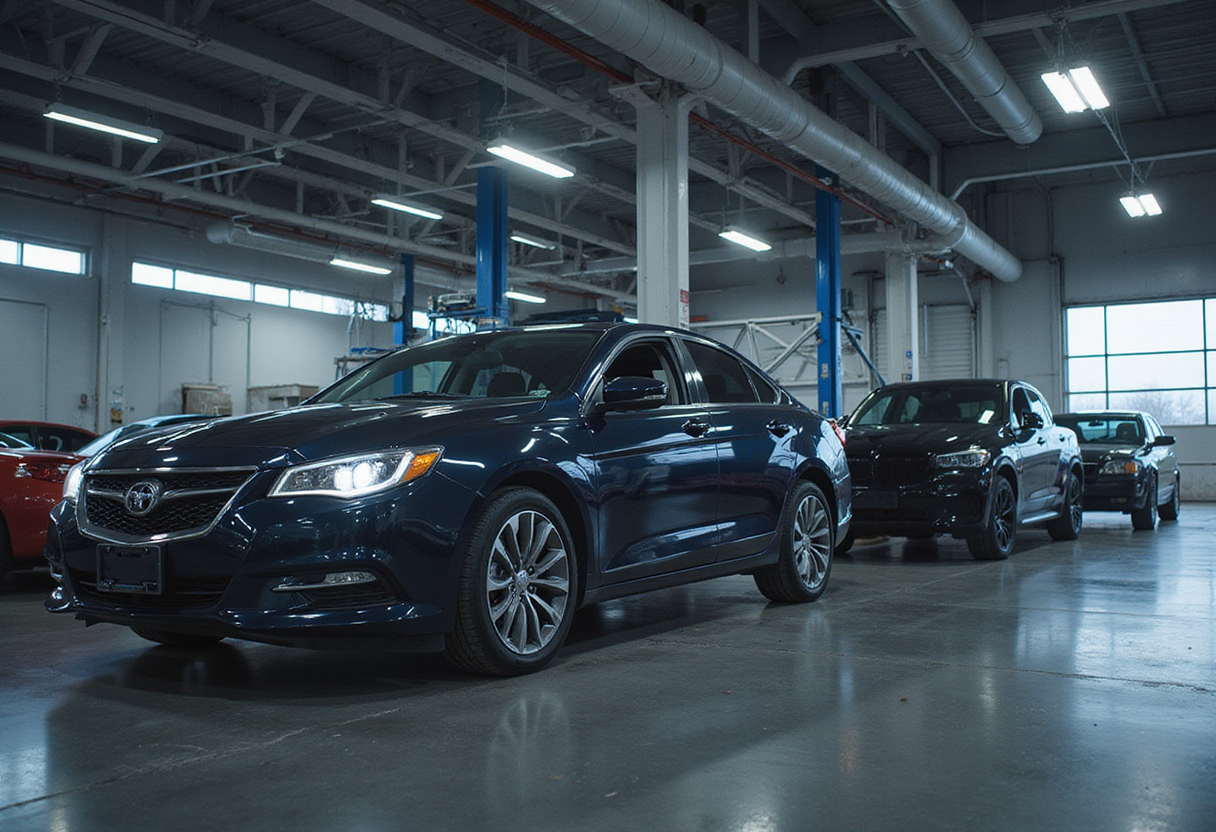
Canada's Prime Minister Mark Carney is staking the country's automotive future on electric vehicles as Ottawa pulls its industrial strategy away from the United States, the New York Times reports.
The signal is strategic, not marginal. For decades, Canada's auto assembly sector — concentrated in Ontario — has been built around cross-border integration with Detroit and the US market. The Carney government is now positioning electrification as the pillar that replaces that dependence.
What does the shift mean for Canada's plants?
The policy direction touches every tier of the Canadian auto base: OEM assembly operations, battery-material suppliers and component makers that have historically shipped south. A government-led pivot to EVs implies that future capacity decisions — new battery plants, retooled assembly lines, critical-minerals processing — will be judged against electrification targets rather than continued integration with US-built platforms.
Ontario carries the weight of this bet. The province hosts the bulk of Canada's vehicle assembly, and its plants have lived or died by US demand. A deliberate decoupling raises the stakes for every investment announcement Ottawa signs in the coming cycle.
How firm is the commitment?
The New York Times framing — a prime minister staking the sector's future on EVs — indicates a declared policy intention at the head-of-government level. As with any government industrial strategy, announced intentions and confirmed plant capacity are different things.
Auto plants take years to build and retool. The measure of this policy will be concrete: battery gigafactory groundbreakings, assembly-line conversion commitments with named OEMs and supplier-tier investment with attached dollar figures and job counts.
Until those numbers land, the EV pivot remains a strategic declaration from the top of government rather than a verified shift in production data.
Why now?
The timing follows sustained tension over US trade policy, which has pushed Canada to reduce economic reliance on its southern neighbor across multiple sectors. Automotive is among the most exposed. Tariff pressure and shifting US rules on EVs have made the old model — parts and vehicles flowing freely across the Detroit-Windsor corridor — look less durable than it once did.
Carney's answer is to re-anchor the sector around electrification and the supply chains behind it, betting that battery materials, processing capacity and EV production can sustain an auto industry that no longer leans on Washington's goodwill.
What to watch next
Three markers will show whether the bet is real:
- Named OEM or battery-cell commitments in Canada with investment amounts and timing
- Assembly-line conversion or retention announcements at Ontario plants tied to EV programs
- Trade and policy decisions that formalize the distance from US-market dependence
The launch dates and dollar figures behind those announcements — not the rhetoric — will define whether Canada's automotive sector has genuinely changed course.
via Google News: Auto industry policy (Source)
More from Sophie Lindqvist
Show full bio
Correspondent covering business strategy at Autoplant Brief.
167 articles
Also circulated
- Toronto Sun Column Flags Carney Policy as Auto Industry Risk
- Ottawa in 'Constant Discussions' With Honda Over EV Project Halt
- Canada's EV Manufacturing Outlook Dims Despite Subsidy Spending
- Auto Industry Tells Carney: Hold the Line in Trade Talks
- Canadian Affairs asks: is Canada's auto industry heading 'down under'?