ECO-7776 · REV E · effective September 30, 2026
Auto Industry PolicyAPPROVEDEngineering notice
Ottawa in 'Constant Discussions' With Honda Over EV Project Halt
PM Carney confirms Ottawa is in constant talks with Honda over its paused C$15bn Ontario EV project as Alliston's electrified future hangs in the balance.
Scope of change
- Canadian PM Mark Carney says Ottawa is in 'constant discussions' with Honda over its halted EV project in Ontario
- Honda paused the C$15 billion Alliston-centered EV value chain program roughly a year after its April 2024 announcement
- The project included vehicle assembly plus battery, cathode and separator plants with POSCO Future M and Asahi Kasei partners
- Alliston plant builds CR-V and Civic with roughly 4,200 employees; the EV program was slated to add about 1,000 direct jobs
- It remains unclear whether the halt is a postponement or de facto cancellation
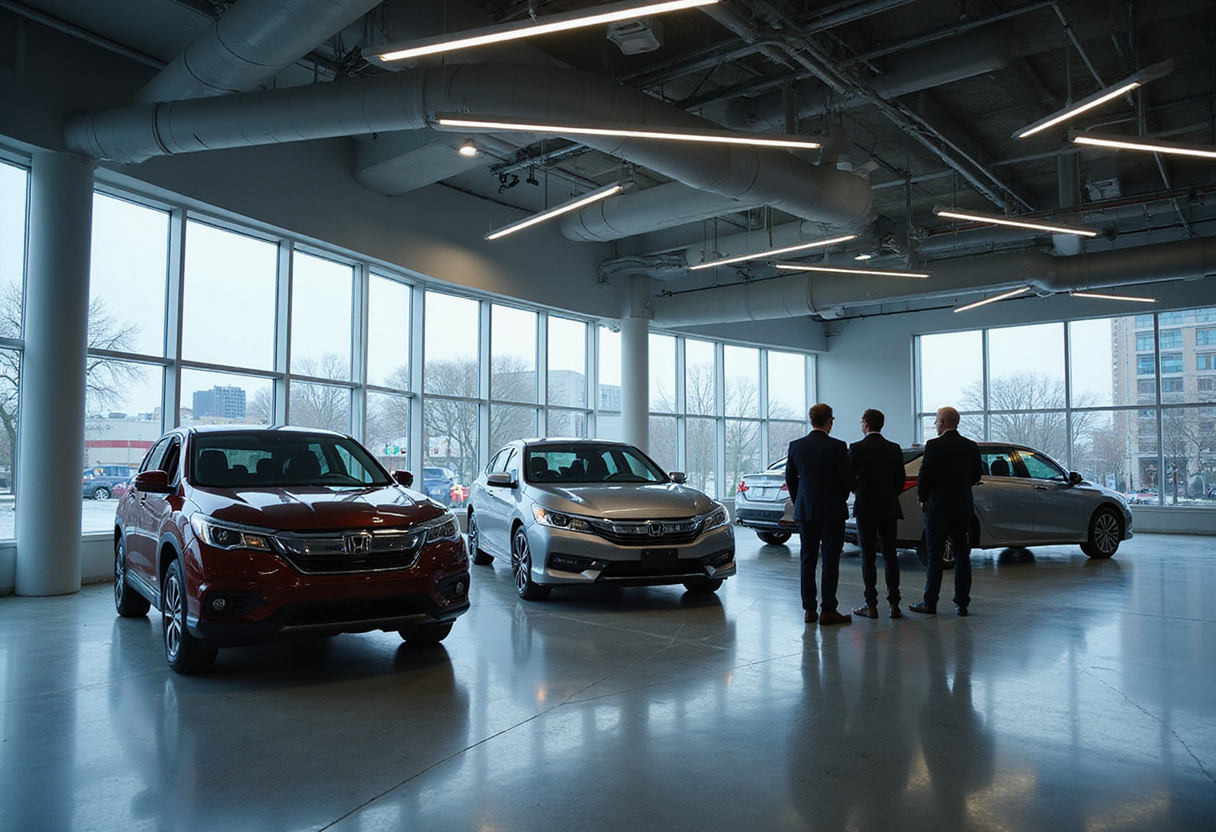
Canadian Prime Minister Mark Carney says Ottawa remains in "constant discussions" with Honda over the automaker's decision to halt its planned electric vehicle project in Ontario, confirming that the future of one of the largest single manufacturing commitments in recent Canadian history is still an open question at the highest level of government.
The comments are the clearest signal yet that Ottawa has not written off the program. They also place the burden of the next move squarely on Honda, which announced the investment in April 2024 and then pressed pause on it roughly a year later amid slowing EV demand growth in North America.
The stakes for Ontario's auto manufacturing base are substantial. The project, centered on Honda of Canada Mfg. in Alliston, Ontario, was framed at announcement as a fully integrated EV value chain — vehicle assembly, a battery plant, a cathode active material facility through a partnership with POSCO Future M, and a separator operation with Asahi Kasei — spread across sites in Ontario and Quebec.
For Alliston, the implications run beyond one assembly line. The plant, Honda's flagship Canadian operation, builds the CR-V and Civic and employs roughly 4,200 people. The EV project was positioned as the successor volume that would carry the site into the electrified era, along with an anticipated 1,000 additional direct jobs across the four connected facilities.
What remains unresolved is whether the halt is a postponement or a de facto cancellation. Honda has framed its decision as a response to market conditions: EV adoption in North America has tracked below the expectations that underpinned the original business case, and the automaker has been recalibrating its electrification spending globally rather than in Canada alone. Under that reading, the pause reflects timing, not geography.
Ottawa's reading is different, and the prime minister's remarks suggest the government intends to keep negotiating. The federal government, alongside the Ontario provincial government, had offered significant incentives to land the program, and both levels of government have a direct financial interest in seeing it revived rather than abandoned.
The politics compound the economics. Canada's automotive sector has taken a series of hits as EV-related programs slow across the industry, with several battery and component projects in Ontario and Quebec revising timelines or pausing construction. A permanent loss of the Honda program would be the largest single reversal among them and would test the federal industrial strategy that leaned heavily on EV supply chain investment.
For Honda's supplier base, the uncertainty is harder to price than a clean cancellation would be. Tier 1 and Tier 2 vendors that had planned capacity around the Alliston program — including the announced POSCO Future M and Asahi Kasei joint ventures — face allocation decisions without a confirmed start of production.
Suppliers familiar with program timing of this scale typically make tooling and siting commitments two to three years ahead of launch. Every month the pause extends pushes any realistic start of production further out, regardless of how the talks conclude.
What to watch next: whether Honda commits to a revised timeline before its next global production plan update, whether Ottawa puts additional incentive money on the table to restart the schedule, and whether the POSCO Future M and Asahi Kasei joint ventures publicly reaffirm or withdraw from their Canadian sites. A statement from Honda's Torrance, California-based North American operations, or from Honda Motor's Tokyo headquarters, would settle the postponement-versus-cancellation question faster than any political signal.
via Google News: EV manufacturing (Source)
More from Daniel Okafor
Show full bio
Senior reporter covering marketplaces and e-commerce at Autoplant Brief.
111 articles