ECO-6862 · REV Y · effective September 30, 2026
Industry Analysis & MarketsAPPROVEDEngineering notice
Canadian Buyers Shift From U.S.-Built Vehicles to Japan, China Imports
Canada's vehicle imports from Japan and China jumped as tariffs raised the cost of U.S.-made vehicles, eroding a decades-old cross-border sales pipeline and pressuring North American plant volumes.
Scope of change
- Canadian auto imports from Japan and China jumped as tariffs eroded U.S.-made vehicle sales.
- Tariffs raised the landed cost of U.S.-built vehicles in Canada, shifting buyer and importer behavior.
- The durability of the shift — production reallocation versus a one-period effect — remains to be verified against coming data.
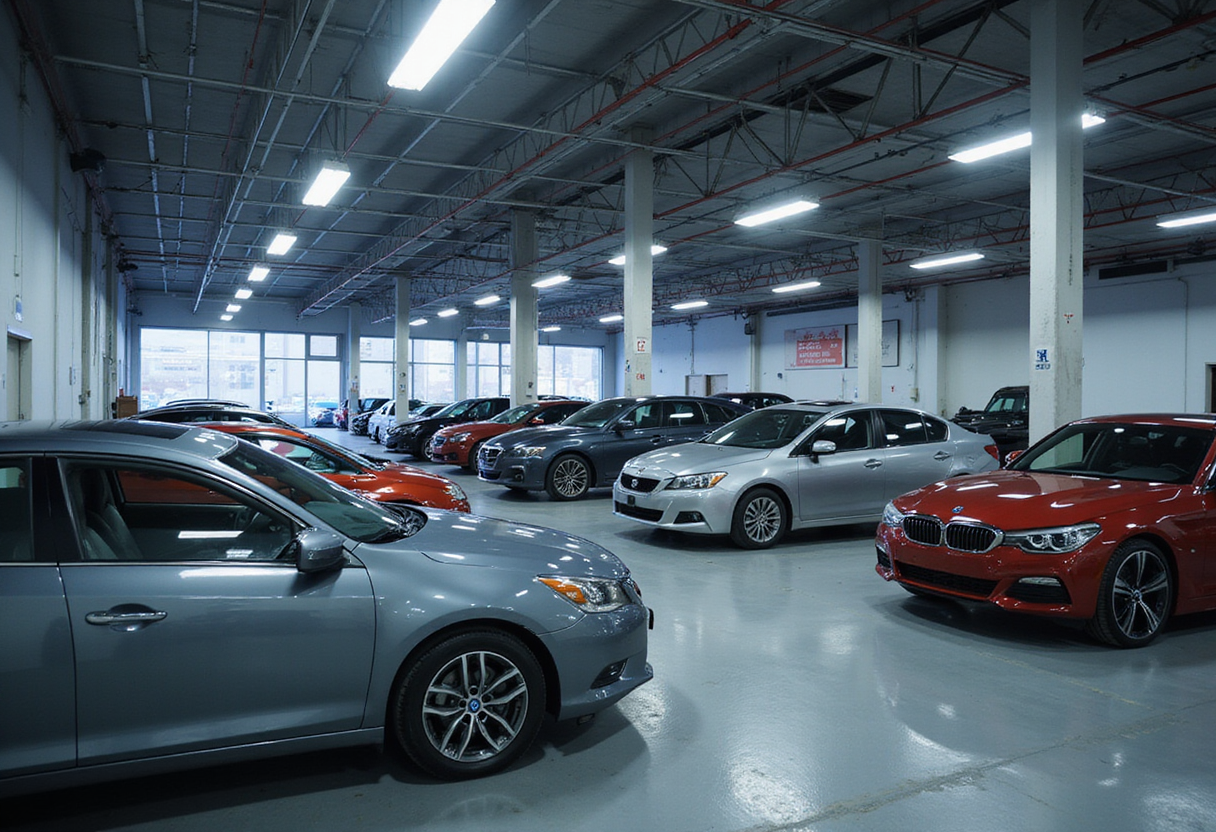
Vehicle imports into Canada from Japan and China jumped as tariffs eroded sales of U.S.-made vehicles, according to Automotive News reporting on the shift in the Canadian market.
The numbers mark a sharp redirection of Canada's automotive trade flows. For decades, the Canadian market has run on a cross-border pipeline: vehicles built in U.S. assembly plants shipped north under the integrated production structure that the North American trade framework created. That structure now carries a cost penalty, and importers are responding by sourcing from elsewhere.
The jump in shipments from Japan and China is the hardest signal in the data. Japanese-built vehicles — long a staple of the Canadian market through brands with established dealer networks — gained share as U.S.-built product became less competitive on price. Chinese-built vehicles, a far smaller presence in Canada historically, also climbed, extending a trend that has accelerated since tariff policy began rewriting the economics of North American sourcing.
The driver is straightforward. Tariffs raised the landed cost of U.S.-made vehicles sold in Canada. Importers and distributors, facing a price gap they could not fully absorb or pass on to consumers, shifted volume toward markets outside the tariff wall. Japan and China, as the headline figures show, captured the displaced demand.
For U.S. assembly plants, the Canadian consequence is real. Canada is not the largest export destination for U.S.-built vehicles, but it is a structural one — tied by supply chains, dealer networks and a shared regulatory architecture. Erosion in that market cuts directly into the volume base those plants were scaled around. Plant loading matters: assembly operations in the U.S. and Ontario were designed around combined North American demand, and any sustained redistribution of Canadian purchases toward overseas production reduces the volume available to run those lines at planned rates.
The pattern also raises questions for Canadian plants themselves. Vehicles assembled in Ontario feed both the Canadian and U.S. markets; a tariff structure that pushes Canadian consumers away from North American-built product squeezes the integrated model from both ends. Automakers with Canadian production — and their tier-one suppliers around plants in Alliston, Oakville, Ingersoll and Cambridge — watch this data closely because import substitution on the retail side eventually works its way back through sourcing decisions.
What the figures confirm, so far, is a shift at the import and sales level. What they do not yet confirm is whether automakers will respond with structural changes — rebalanced production allocations, new sourcing for Canadian-market vehicles, or adjustments to plant output schedules. Those are decisions that follow sustained data, not a single reporting period.
The claims embedded in the import numbers are verifiable against production and registration data in the months ahead, and they warrant that scrutiny. A one-period jump can reflect inventory timing, model changeovers or exchange-rate effects. A trend that persists across quarters would indicate a durable realignment of Canadian demand away from U.S.-built vehicles.
What to watch next: whether Japanese and Chinese import volumes hold or build over the coming quarters; whether any automaker publicly adjusts its Canada-market sourcing in response; and whether the tariff framework itself changes — the single policy decision that would reverse or lock in the entire shift.
via Google News: Auto industry policy (Source)
More from Daniel Okafor
Show full bio
Senior reporter covering marketplaces and e-commerce at Autoplant Brief.
111 articles
Also circulated
- Canadian Purchases of U.S.-Built Cars Hit Record Low as Tariffs Bite
- Trump Doubles Canada Auto Tariffs as Industry Warns of Competitive Hit
- Toyota and Honda Face Potential Tariff Bill Under Trump's Canada Duties
- Canada Courts Chinese EV Makers as Tariffs Fracture Auto Trade
- Trump Threatens 50% Tariff on Vehicles and Parts From Canada