ECO-4702 · REV C · effective November 6, 2026
Auto Industry PolicyAPPROVEDEngineering notice
Canada’s auto tariff deadline survives a Democratic U.S. win
Democratic wins may revive Canada trade talks, but U.S. auto tariffs remain at 25%, with a threatened 50% increase if no broad trade deal arrives by January 1.
Scope of change
- Trump threatened to double the 25% tariff on Canadian cars and parts to 50% if no deal is reached by Jan. 1.
- Democrats held at least 237 House seats and 54 Senate seats as of Nov. 4, with several races unresolved.
- A reported August framework would have cut car tariffs to 15% and steel and aluminum tariffs to 25% with a quota.
- The PBO scenario projects Canada’s economy 1.4% smaller after five years and employment down by as much as 185,000.
- The United States declined a fresh 16-year CUSMA renewal in July, leaving annual reviews despite the pact running to at least 2036.
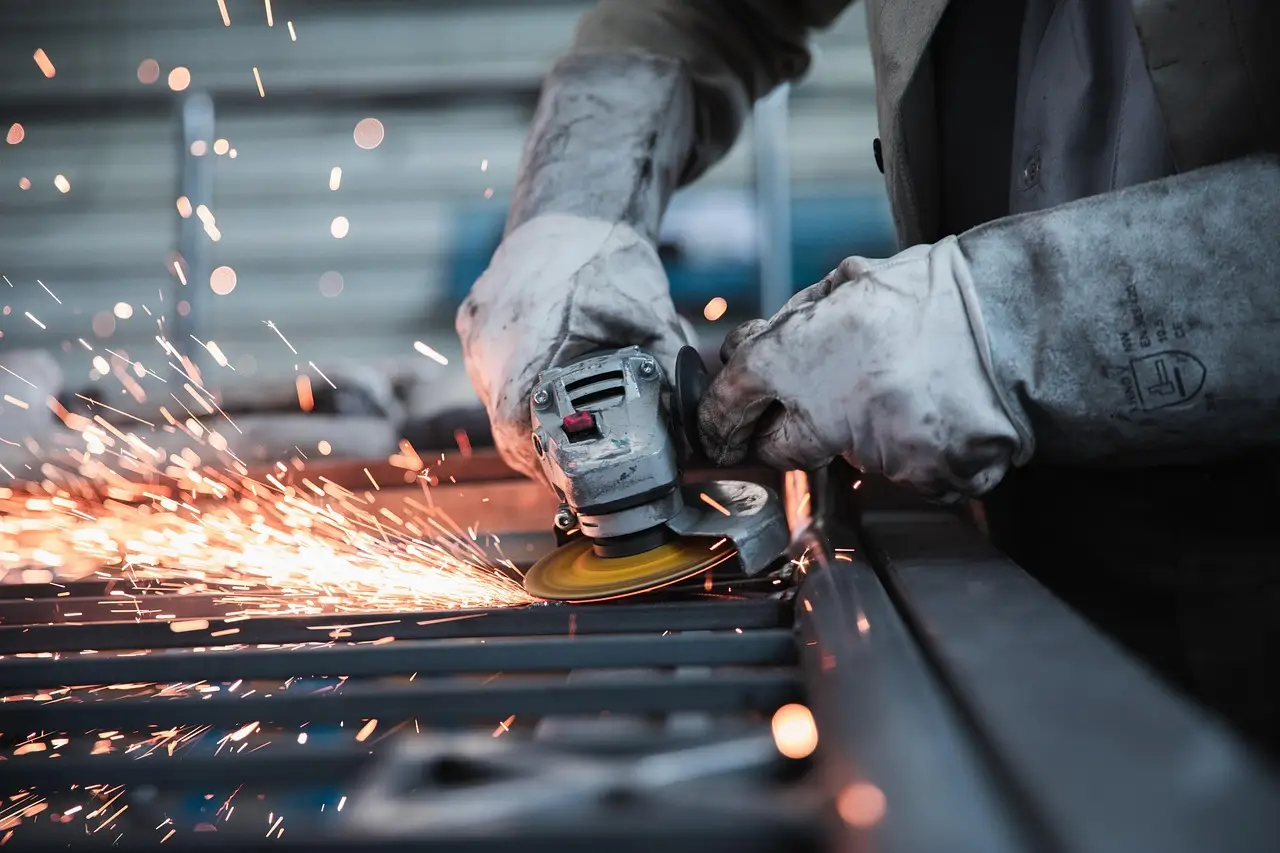
A 50% U.S. tariff on Canadian cars and parts is the Jan. 1 threat now framing Canadian OEM assembly plants and their cross-border parts suppliers.
Donald Trump has threatened to double the current 25% duty if no trade agreement is reached by Jan. 1. That deadline matters more to vehicle production than the Nov. 4 election result, although Democrats won both chambers in the Nov. 3 midterms and changed the political odds around a deal.
What did the election change?
As of the afternoon of Nov. 4, Democrats had secured 54 Senate seats, including two independents, against 44 Republicans; two races remained undecided. In the House, they had at least 237 seats against 139, above the 218 needed for control, with 59 contests outstanding. Trump acknowledged the Republican defeat overnight.
Kansas elected a Democratic senator for the first time since 1932. Cost-of-living anger ran through the campaign, and tariffs against Canada were a major part of the political argument. In Michigan, tariffs cost the average household more than $5,600 a year, the highest burden in America, according to the National Taxpayers Union Foundation.
Abdul El-Sayed labeled Trump's Canadian-goods tariffs dumb in his television ads and defeated Republican Mike Rogers. Rogers had promised to end the trade war, but voters penalized the party that started it. Trump called a Canada deal “very close” and spoke of “the concept” of one; a veteran Washington trade watcher dismissed the pre-election message as wishful thinking aimed at Michigan and Maine.
The political verdict is clear, but factory rules have not changed.
Can Democrats erase the tariffs?
The new Congress is not sworn in until Jan. 3. Democrats can hold hearings and advance legislation such as Sen. Chuck Schumer’s End Trump’s Tariff Tax Act, which would repeal Section 338, the 1930 law Trump used to impose 50% tariffs on about $27.6 billion of Canadian goods. Trump still holds the veto, and Democrats lack the two-thirds majority needed to override him.
A Senate majority opens hearings; it does not yet remove the president’s veto.
Has Carney gained leverage?
Prime Minister Mark Carney said on Nov. 3 that the Americans are “asking less and they’re offering more.” More intense talks are under way, and CBC reported that two Canadian red lines had left the table: rules making French content easy to find on streaming services, and a U.S. attempt to restrict which other countries Canada can trade with.
Three weeks ago, waiting looked like stubbornness. After the election, it looks like a stronger hand at the table, at least politically.
What would a broad deal contain?
Carney walked away from an August negotiating round with minutes to spare. The reported shape, not a signed agreement, would have:
- Cut U.S. tariffs on Canadian cars from 25% to 15%;
- Cut steel and aluminum tariffs from 50% to 25%, with a quota;
- Had Canada drop counter-tariffs, restock U.S. liquor and concede ground on dairy; and
- Extended cooperation against Chinese steel, on Trump’s Golden Dome missile-defense program and, at his suggestion, toward reviving Keystone XL.
A veteran Washington trade watcher described the fork: a good deal could build a common North American front against Chinese dumping and let all three countries grow.
A bad deal would favor U.S. content and disrupt Canadian supply chains more than another year of uncertainty. The reported Keystone XL opening has little momentum with Democrats in control; it may have no better political fate than the proposed Pacific Link pipeline.
For manufacturers, this is a framework for negotiation, not yet a plant policy.
What does the CUSMA review change?
At the first scheduled review in July, the United States declined to renew CUSMA for a fresh 16-year term. Trade keeps flowing because the Canada-U.S.-Mexico agreement remains in force until at least 2036, but renewal now requires a formal review and negotiation every year. Much of Canada’s trade rulebook now sits on a one-year lease.
A broad Canada-U.S. agreement could replace CUSMA as the governing pact or bridge the three countries to a proper renewal. Neither outcome is confirmed.
Annual reviews preserve trade now, but they leave the rulebook exposed every year.
How large is the manufacturing cost?
Parliamentary Budget Officer scenarios, not a count of jobs already lost, estimate Canada’s economy would be 1.4% smaller after five years than if the old relationship had held, if measures imposed since early 2025 remain. Employment could fall by as much as 185,000.
Alberta’s direct exposure is smaller because its energy exports are fully exempt. ATB Financial estimates that about 1% of Alberta’s exports to the United States are caught, with 5,000 to 7,000 fewer jobs in its scenario. University of Calgary economist Trevor Tombe projected as many as 9,000 Alberta jobs, roughly half through supply chains.
The less measurable cost is frozen investment as companies on both sides wait for the rules. The longer the delay runs, the less hypothetical those job estimates become.
The bill is measurable in jobs; the investment freeze is harder to count.
What should manufacturers watch?
The immediate decision comes Jan. 1, when Trump threatens to double the 25% tariff to 50% if no deal exists. Watch whether a written agreement kills the current duties, sets the reported 15% car rate, handles steel and aluminum quotas, protects Canada’s ability to trade with other countries and allows energy to move.
For Canadian OEMs and suppliers, the political win is encouraging; purchasing decisions are not. For Canada, a late deal may still beat a bad one, but Carney’s patience has not settled the cost of moving vehicles and parts across the border.
The deadline has not moved. Jan. 1 is the next policy checkpoint.
via Google News: Auto industry policy (Source)
More from Daniel Okafor
Show full bio
Senior reporter covering regulation, policy and their impact on Automotive manufacturing and vehicle production at Autoplant Brief.
293 articles
Also circulated
- US Imposes 50% Tariff on $20B in Canadian Goods; Auto Hike Looms
- Trump threatens to double Canadian auto tariffs in new escalation
- Trump Claims Canada Retaliatory Tariffs Cost U.S. $5B in Vehicle Exports
- Trump Threatens Higher Tariffs on Canada After Trade Talks Collapse
- Trump Threatens 50% Tariff on Cars, Trucks in Canada Trade Escalation