ECO-9697 · REV J · effective November 15, 2026
Auto Industry PolicyRELEASEDEngineering notice
Canada Tables $634M for EV Chargers, Nearly $4B for Grid
Canada's budget proposes $587M to renew ZEVIP for 55,000 chargers from 2027, plus nearly $4B for grid upgrades — all pending parliamentary approval.
Scope of change
- $587 million proposed to renew ZEVIP over five years starting 2027, pending Parliament approval.
- Renewed funding expected to support more than 55,000 additional chargers.
- Nearly $4 billion over 10 years planned for grid expansion, renewables and priority projects.
- iMHZEV medium- and heavy-duty incentive program ended March 15, 2026, with no replacement.
- Combined charging investments total $634.2 million.
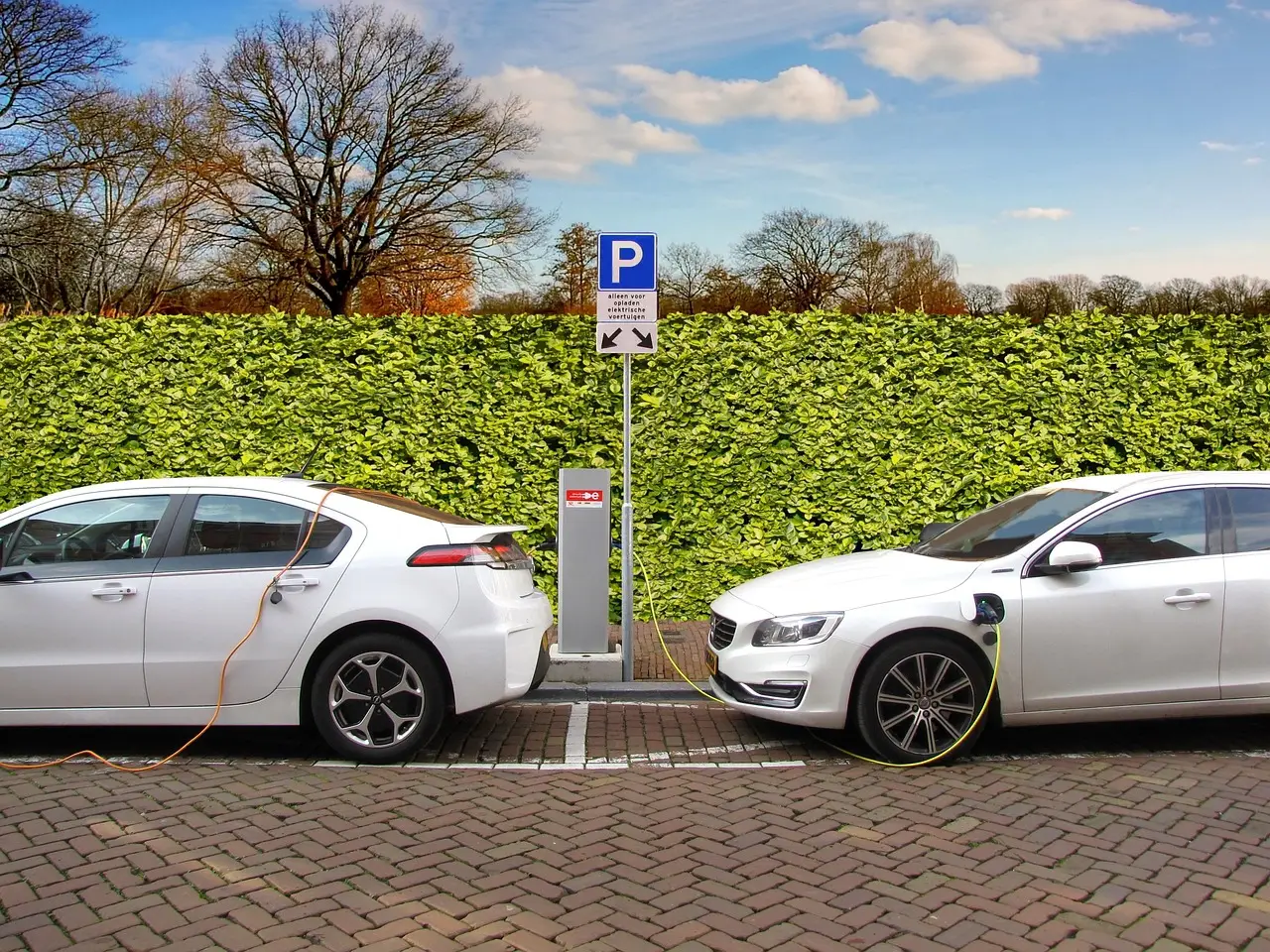
Canada's federal budget proposes $587 million to renew the Zero-Emission Vehicle Infrastructure Program, a fund that had been set to expire next year. The money is not committed yet. It requires parliamentary approval, and disbursement would run five years starting in 2027.
Add $45 million for charging research and development and $2.2 million for the federal government's own shift to zero-emission vehicles, and the charging package totals $634.2 million.
What does the renewed ZEVIP actually fund?
ZEVIP targets public charging projects. It covers up to 50 percent of project expenses, or 75 percent for Indigenous-led projects, with caps of $2 million per project. If approved, the renewed funding is expected to support more than 55,000 additional chargers in what the budget calls "areas where the infrastructure is needed most."
That phrase does a lot of work. The budget does not specify how the government will define need, or how chargers will be split between corridors, cities and rural regions. Those allocation rules will decide whether the target is meaningful.
Travis Allan, president and CEO of the Canadian Charging Infrastructure Council, told Electric Autonomy: "We'll be looking to make sure that we have great programs in place to deal with the barriers faced by people living in condos and apartments, public fast charging, which needs to cover major corridors and metropolitan areas, and then also charging for fleets and medium- and heavy-duty vehicles, which make up a major share of transportation emissions."
That is a lobbying agenda, not a spending plan. Condo charging, corridor fast charging and fleet infrastructure each need different program designs, and the budget text does not commit to any of them specifically.
Where does the R&D money go?
Natural Resources Canada would receive the $45 million over five years, also starting in 2027-28. The budget does not name recipients, technologies or milestones.
"We're interested to see how those will be spent because we have so many great companies that are working in and innovating in the charging ecosystem," Allan said. Translation: the industry does not yet know the criteria.
How big is the grid piece?
Separately, the government plans nearly $4 billion over 10 years, starting in 2027-28, for electricity infrastructure expansion, renewable energy and priority grid projects. That envelope includes new funding for the Smart Renewables and Electrification Pathways Program.
Two smaller lines sit alongside it:
- $26.4 million over 10 years for Natural Resources Canada to fund data and modelling that guides grid planning.
- $1.6 billion over 10 years to modernize power systems in northern and remote communities.
The grid money matters more than the charger money over the long run. Chargers without distribution capacity are street furniture.
Daniel Breton, president and CEO of Electric Mobility Canada, called the funding encouraging. He noted the five-year ZEVIP window gives developers time to plan projects and secure financing, which short funding cycles rarely allow.
"It's one thing to install chargers," Breton said. "We have to get the electricity to go to the chargers."
What is missing from the budget?
Breton also flagged the gaps. The budget contains no new funding for medium- and heavy-duty electric vehicles, no EV education money and nothing for battery recycling.
The omission bites. Canada's Incentives for Medium- and Heavy-Duty Zero-Emission Vehicles program, iMHZEV, ended on March 15, 2026, and the federal government has not replaced it. Medium- and heavy-duty vehicles account for a major share of transport emissions, and that segment now operates without a federal purchase incentive while charging programs for it remain unfunded.
What to watch next
Watch the parliamentary vote on the budget itself — nothing in the $634.2 million or the $4 billion grid envelope survives without it. After that, the first test is the ZEVIP program design due before the 2027 rollout: whether it addresses multi-unit residential buildings and fleet charging, or defaults to corridor fast chargers where deployment is easiest. The iMHZEV gap is the policy decision to track — a replacement program, or a credible signal that Ottawa has exited the commercial vehicle incentive business.
via electrive (Source)
More from Amara Osei
Show full bio
Market editor covering technology and product news in Automotive manufacturing and vehicle production at Autoplant Brief.
326 articles
Also circulated
- California reopens $55 million electric school bus funding
- Nova Scotia to charge EV owners CA$500 every two years under new levy
- Germany clears 100,000 EV subsidy applications worth €430 million
- Honda Moves to Permanently Halt $15 Billion Canadian EV Plant: Report
- Canada's EV Manufacturing Outlook Dims Despite Subsidy Spending