ECO-5918 · REV C · effective November 18, 2026
EV Manufacturing TransitionAPPROVEDEngineering notice
BAIC to Sell 112 Battery Swap Stations in $41 Million Asset Dump
BAIC Motor will auction 112 battery swap stations valued at 278 million yuan as parent BAIC Group shifts its swap strategy onto CATL's Choco network targeting 1 million vehicles.
Scope of change
- BAIC Motor plans to sell assets tied to 112 battery swap stations, appraised at about 278 million yuan ($41.4 million).
- BAIC Powertrain files the tender notice with CBEX by end of November; a sale at appraised value in 2026 would add about 3.52 million yuan to profit.
- BAIC Group and CATL aim for a swap network serving about 1 million vehicles.
- Arcfox launched swap versions of the Beta S3 and Beta T1 on November 13 and will offer swap variants of its full lineup next year.
- BAIC began researching battery swap technology in 2011.
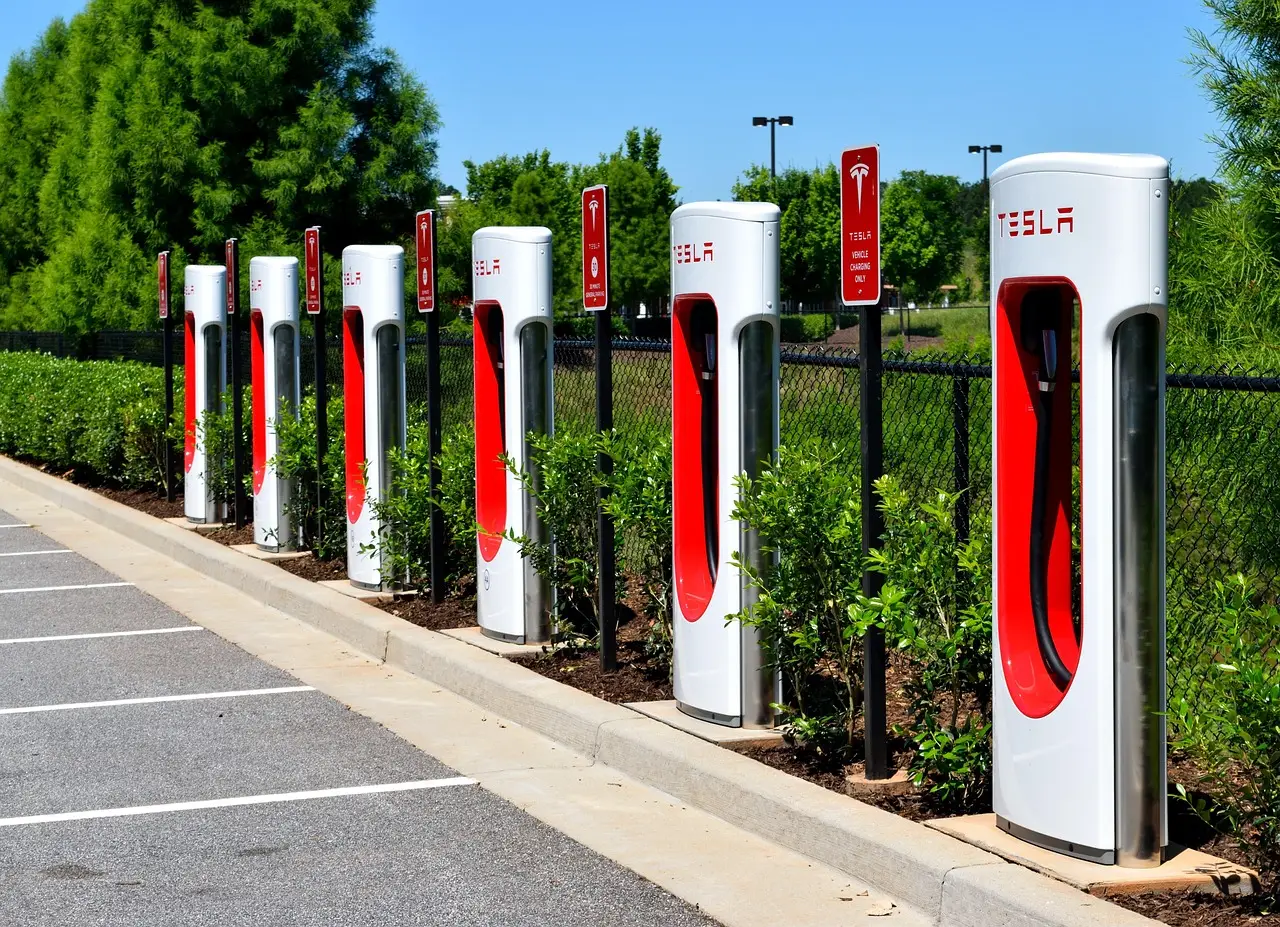
BAIC Motor is putting 112 battery swap stations on the block, with the assets appraised at roughly 278 million yuan ($41.4 million), as its parent pivots the swap business toward CATL.
The Hong Kong-listed automaker (HKEX: 1958) disclosed the plan in a stock exchange filing on Tuesday. Its wholly owned subsidiary, BAIC Powertrain, will submit a notice of the proposed sale to the China Beijing Equity Exchange (CBEX) by the end of November through a public tender.
The sale covers BAIC Powertrain's entire interest in the station assets — inventory, fixed assets, construction in progress and intangibles used in station operations. The point, the company says, is freeing up capital currently tied to non-core assets.
What are the numbers?
A September 30 appraisal, using the cost approach and excluding tax, put the assets at about 278 million yuan — a slim 1.54% premium over their unaudited book value. That's not a bidding war in the making; it's a balance-sheet tidy-up.
The listing price can't fall below the appraised value ultimately filed with authorities. Beyond that floor, the winning bid sets the price. As of the filing, BAIC Powertrain had no buyer identified and no sale agreement signed.
If the assets fetch exactly the appraised value in 2026, BAIC Motor estimates a consolidated profit bump of about 3.52 million yuan after transaction costs — a rounding error against a 278-million-yuan deal. The proceeds will fund BAIC Powertrain's operations and development.
Why sell now?
The timing is not accidental. BAIC Motor's parent, Beijing Automotive Group, is expanding its swap partnership with CATL (HKEX: 3750).
In October, BAIC Group said it would bring compatible models from several of its brands onto CATL's Choco swap network and open dealership sites for new swap stations. The partners aim to serve 1 million vehicles.
On November 13, BAIC Group's Arcfox brand launched a LiDAR-equipped battery swap version of the Beta S3 plus a swap version of the Beta T1. Both run on CATL's passenger-vehicle swap system. Arcfox said it would offer a battery swap version of every model in its lineup next year.
The logic, per BAIC Group chairman Zhang Jianyong at the launch: battery swap stations are expensive for automakers to build and maintain, while battery makers can benefit from economies of scale in construction and operation.
"Battery swap stations are expensive for automakers to build and maintain," Zhang said — and CATL, with a network to amortize costs across, is better placed to carry them.
How long has BAIC been in this game?
Longer than most. BAIC began researching battery swap technology in 2011, Zhang said, making it one of the first Chinese automakers to invest in the field. Fourteen years later, the conclusion appears to be that owning stations isn't the same as knowing how to run them cheaply.
Zhang said BAIC Group and CATL would draw on their respective strengths to build China's first battery swap network capable of serving about 1 million vehicles.
Note the division of labor: BAIC supplies vehicles and real estate; CATL supplies batteries and stations. That's the whole strategy in one sentence.
What to watch next
The tender notice lands at CBEX by end of November. Watch whether a bidder emerges above the 278-million-yuan floor, whether the deal closes in 2026 as the profit forecast assumes, and how fast Arcfox converts its full lineup to swap compatibility next year. The real milestone is the joint network's path toward the 1-million-vehicle target — announced as an intention, not yet a confirmed build-out.
via www1.hkexnews.hk (Original)
More from Daniel Okafor
Show full bio
Senior reporter covering regulation, policy and their impact on Automotive manufacturing and vehicle production at Autoplant Brief.
353 articles
Also circulated
- BAIC auctions 112 swap stations for 278 million yuan as it pivots to CATL
- Xiaomi plans 5.34% Sunwoda EVB stake in $253 million deal
- BAIC, CATL widen China battery-swap push without timetable
- Li Auto Puts $242 Million Outside Money Into Mach Chip Unit
- China to cut NEV export VAT rebate from 13% to 9% in April 2027