ECO-9252 · REV S · effective October 13, 2026
Industry Analysis & MarketsAPPROVEDEngineering notice
Automakers weigh localization and automation as tariff fog thickens
Automotive News reports tariff uncertainty is pushing automakers toward localization and automation. The thesis is credible; the numbers behind it remain unverified.
Scope of change
- Automotive News reports tariff uncertainty is driving automakers toward supply chain localization and factory automation
- The syndicated report contains no specific investment figures, plant names, or job numbers
- Verification of the trend requires robot order data and tooling orders over the next two quarters
- Automation commitments, unlike tariff policy, are effectively irreversible once installed
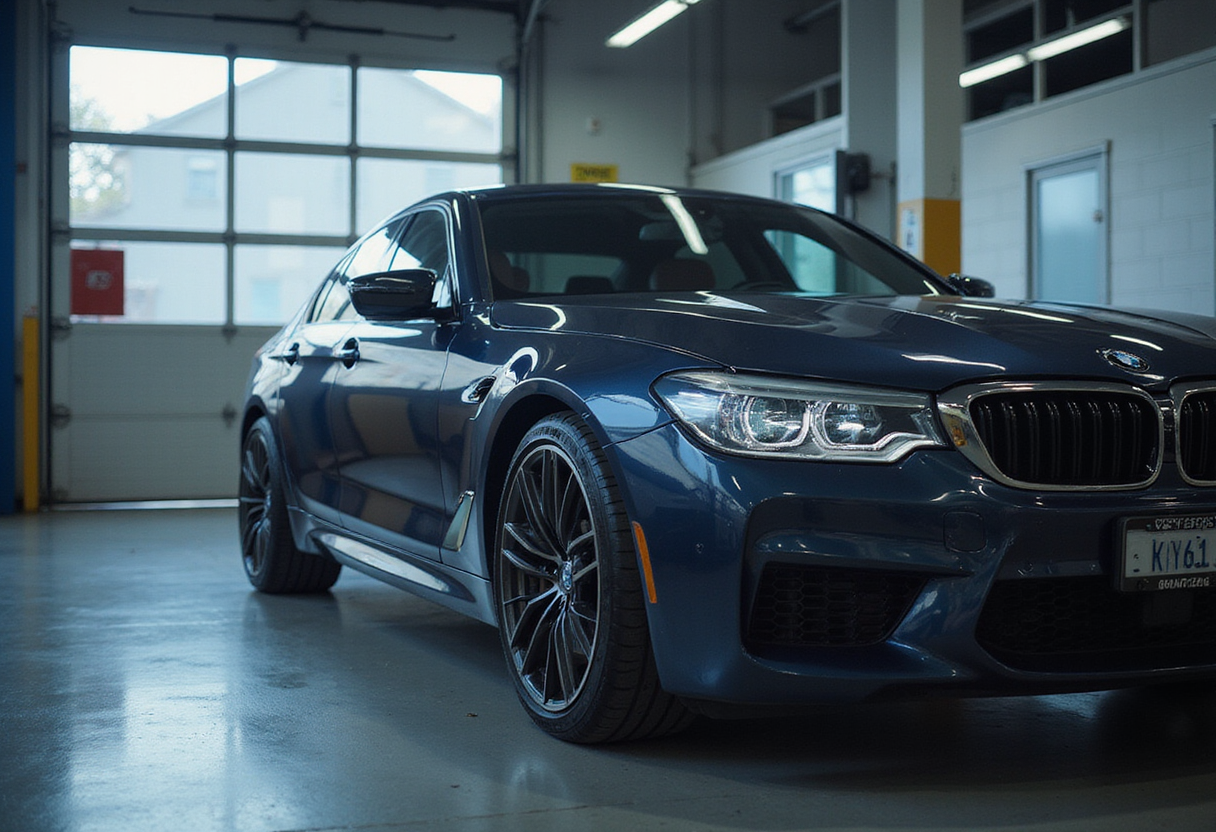
Automotive News reports that tariff uncertainty is pushing automakers toward supply chain localization and factory automation. That is the claim. The hard numbers — investment sizes, unit volumes, jobs affected — are not in the reporting available to Autoplant Brief. Readers should treat the direction as real and the magnitude as unproven.
The headline diagnosis is familiar to anyone tracking North American and European plant planning since 2024. Tariff policy has shifted faster than OEM sourcing cycles can absorb. Automakers respond by shortening supply lines and automating lines they might otherwise have staffed. The logic is defensive. It is also expensive, and expense is where claims need evidence.
Why does tariff uncertainty drive localization?
A tariff regime that changes quarter to quarter punishes long-distance sourcing. OEMs commit to suppliers years ahead of volume. When the duty rate on a given part is unknowable at program launch, the risk premium on offshore supply grows. Localization — building parts near the plant that consumes them — removes that exposure.
Automation enters the same equation from the cost side. Domestic labor in the United States and Western Europe costs more than the offshore labor it replaces. Robots close part of that gap. If an OEM reshores a module, automated assembly often makes the business case work.
That is the mechanism Automotive News describes. It is consistent with what tier-one suppliers have said publicly over the past two years. Consistency is not confirmation.
What is confirmed versus what is asserted?
Here Autoplant Brief must be blunt. The report as syndicated carries a thesis, not a dataset. We could not verify from the available text:
- Named OEMs or suppliers committing new localization investment
- Specific plant locations gaining or losing volume
- Dollar figures for automation spending tied to tariff policy
- Jobs added or cut as a direct result
- Program timing shifts attributable to duty changes
Each of those items is the currency of trade-press verification. Supplier announcements in particular deserve scrutiny. A tier-one promising a "tariff-driven" domestic expansion is also courting OEM contracts and public subsidies. The tariff framing may serve the press release more than the plant floor.
How should readers stress-test the localization claim?
Watch capacity, not statements. A localization trend shows up first in tooling orders, then in plant floor space allocation, then in certified production capacity. Statements precede all three by months or years. Automotive Manufacturing Solutions has documented this gap repeatedly: announced intention and installed capacity are different animals.
The automation half of the claim has its own verification path. Robot orders, integrator backlogs, and welding-cell utilization rates move before headcount or capex headlines do. If the Automotive News thesis holds, industrial robot orders to automotive customers should be rising in the same markets where sourcing is shifting onshore.
There is also a caveat the headline invites but cannot itself support. Tariff-driven localization can reverse if policy reverses. Automation does not reverse. An OEM that installs robots to offset reshored labor costs keeps those robots whatever the next administration does to the tariff schedule. The automation trend may prove stickier than the tariff rationale attached to it.
What to watch next
Three markers will separate signal from slogan. First, any OEM naming a plant and an investment figure for tariff-driven localization. Second, robot and automation order data for the automotive sector over the next two quarters. Third, the next concrete tariff decision itself — each one forces sourcing teams to reprice commitments already made. Until those land, this story is direction, not destination.
via Google News: Auto industry policy (Source)
More from Amara Osei
Show full bio
Market editor covering technology and product news in Automotive manufacturing and vehicle production at Autoplant Brief.
194 articles
Also circulated
- Tariffs and Policy Shifts Risk Walling Off U.S. Auto Industry
- Trump's 50% Auto Tariff Threat Aims at Imports, May Hit U.S. Automakers
- Automakers Warn Tariff Threat Could Leave Industry 'Inoperable'
- Tariffs, AI and Automation Are Redrawing Global Manufacturing Strategy
- Automakers Warn Trump's 50% Tariffs Would Be 'Devastating'