ECO-2885 · REV F · effective October 13, 2026
EV Manufacturing TransitionRELEASEDEngineering notice
£50m Sunderland plant will not make Nissan's EV powertrain
A £50m Sunderland plant will not build Nissan's EV powertrain, removing a pillar of the UK's plan to localize EV component production around its largest car plant.
Scope of change
- A £50 million plant in Sunderland will not produce Nissan's EV powertrain.
- The facility sits near Nissan's Sunderland plant, the UK's largest car factory.
- The decision removes a planned EV component investment from the northeast England supply base.
- Nissan's Sunderland assembly volumes are unaffected; the powertrain sourcing goes elsewhere.
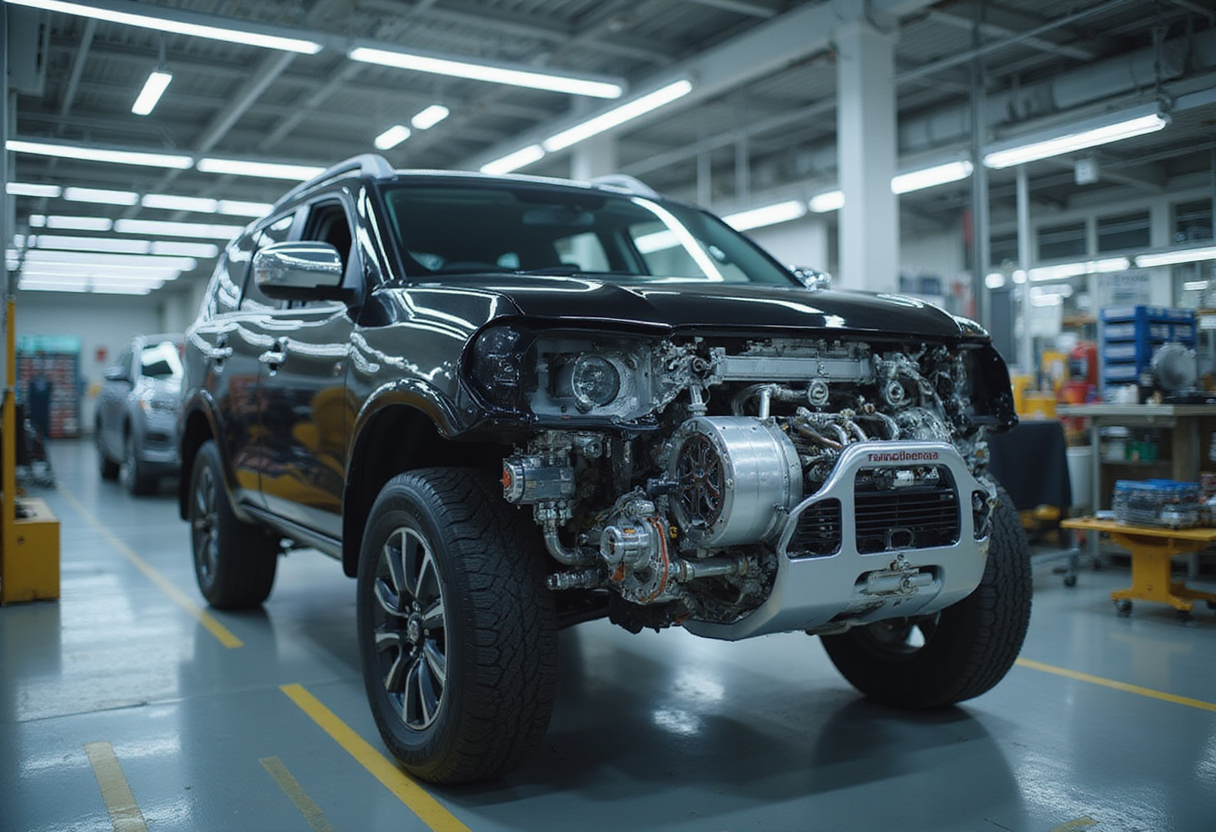
A £50 million plant in Sunderland will not build the electric powertrain for Nissan, dealing a blow to the UK's ambitions to anchor EV component production alongside the carmaker's flagship assembly site. The facility, located next to Nissan's Sunderland works in northeast England, had been positioned as part of the local supply chain for electrified vehicles. That plan is now off.
The decision removes a key building block from the electrification ecosystem that planners had sketched around Sunderland, Britain's largest car plant. Nissan has committed to building electric models at the site, and component localization — the placement of parts manufacturing close to final assembly — is central to making those programs economically viable under post-Brexit rules of origin requirements (the rules dictating how much of a vehicle's content must come from the UK or EU to qualify for tariff-free trade).
What does this change for the Sunderland supply base?
For tier-one suppliers (companies selling parts directly to the OEM) and the regional development agencies watching the northeast, the answer is direct: a £50 million investment tied to EV powertrain production no longer lands where it was expected. Nissan's assembly volumes at Sunderland are unchanged by this decision, but the supplier footprint around them shrinks. Plants that lose a program bid, or see one withdrawn, typically face a gap that only a new OEM contract can fill — and EV powertrain awards are among the most contested in the current sourcing cycle.
The loss also matters for the UK government's industrial strategy, which has leaned on battery and e-drive investments to offset declining combustion-era component work. Every localized powertrain program not built in Britain tends to go to competing sites in mainland Europe, where motor and inverter capacity is being scaled faster.
What to watch next
Watch whether Nissan names an alternative source for the EV powertrain — an in-house line, another UK supplier, or an imported unit from Europe or Japan. The location of that award will signal how much of Sunderland's EV value chain Britain actually retains. Also watch for the next rules-of-origin review milestone and any government response aimed at keeping future component programs on UK soil.
via Google News: Powertrain production (Source)
More from Marcus Bennett
Show full bio
News editor covering regulation, policy and their impact on Automotive manufacturing and vehicle production at Autoplant Brief.
168 articles
Also circulated
- Nissan £50m Sunderland plant rules out EV powertrain output
- JATCO to build UK plant supplying EV powertrains to Nissan Sunderland
- Nissan Puts £50m Into New Electric Vehicle Plant in Sunderland
- Nissan Scraps UK EV Powertrain Plant Plans in Restructuring
- Nissan Drops Planned EV for Sunderland, Trade Press Reports