ECO-4331 · REV V · effective November 17, 2026
Auto Industry PolicyRELEASEDEngineering notice
UK set to cut 2030 EV mandate to 60% as sales lag quotas
UK set to slash its 2030 ZEV mandate target from 80% to about 60% in mid-November, extending flexibilities to 2034 — the third policy shift in three years as BEV sales hit 26.6% against a 33% quota.
Scope of change
- UK expected to cut 2030 ZEV mandate from 80% to ~60% in mid-November, with flexibilities extended to 2034
- BEVs took 26.6% of UK new car sales in the first ten months of 2026 against a 33% target (SMMT)
- ChargeUK warns a weaker mandate puts £1.7bn of charging infrastructure at risk
- Cabinet split: Reynolds wanted 50%, Alexander ~60%, Fahnbulleh 80%; Haigh to decide after 11 November meeting
- Mandate expected to deliver nearly 14% of UK pledged emissions cuts between 2028 and 2032
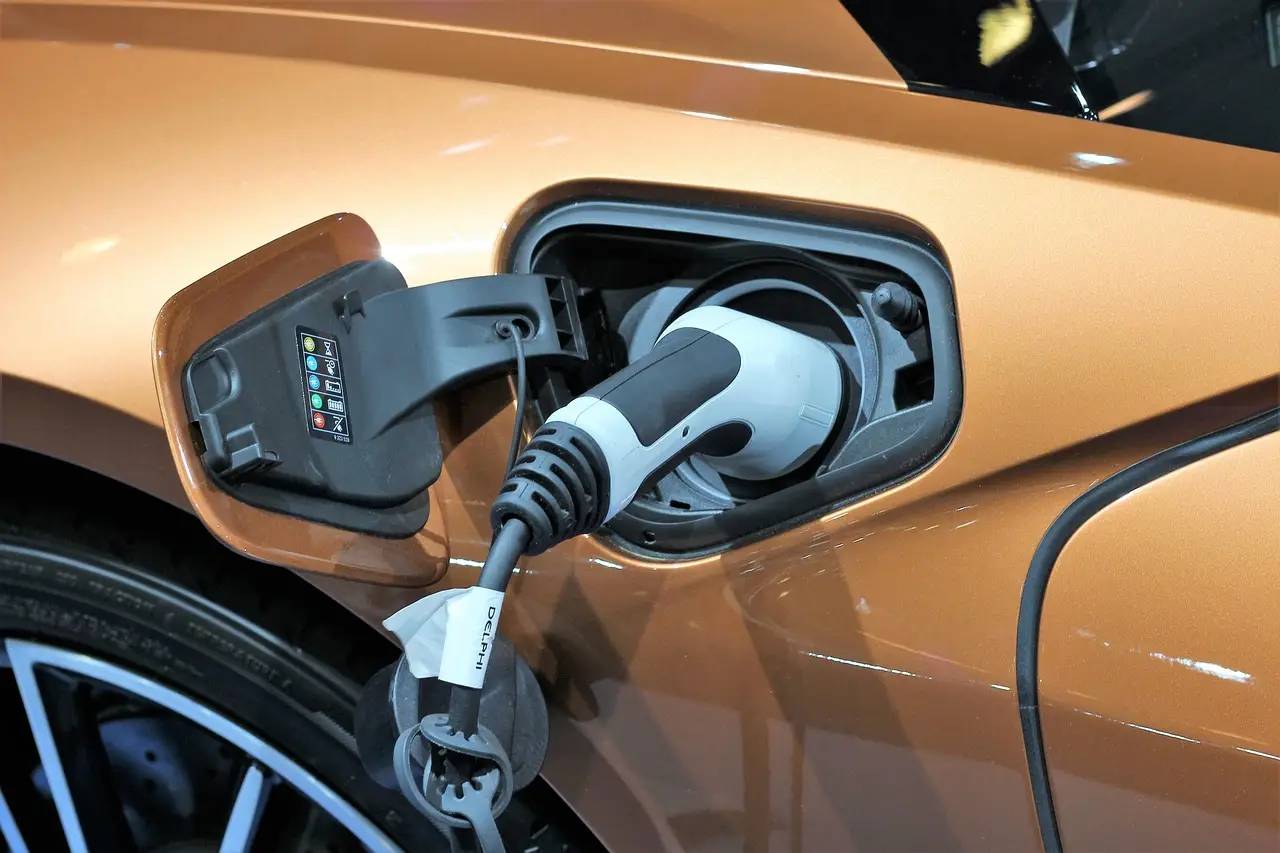
The UK is expected to cut its 2030 zero-emission vehicle (ZEV) mandate target from 80% to roughly 60% in mid-November, while extending compliance flexibilities to 2034. If confirmed, it would be the third change to the regulation in three years — eroding the very investment certainty the mandate was built to provide.
Louise Haigh, the Cabinet Office minister acting as de-facto Deputy Prime Minister, is expected to finalise the plan after a Downing Street meeting on 11 November. Prime Minister Andy Burnham has recused himself because his wife advises the board of Manchester-based charging network Be.EV.
The decision settles a cabinet split. Business Secretary Jonathan Reynolds pushed for a more conservative 50%. Transport Secretary Heidi Alexander favoured about 60%. Energy Secretary Miatta Fahnbulleh, alongside her predecessor Ed Miliband, wanted the 80% figure retained.
A government spokesperson said "no decisions have been taken" and stressed the government remains committed to 100% zero-emission new car and van sales by 2035. The phrasing mirrors October's language around reports the UK was weighing its own version of the EU's import tariffs on Chinese-made battery-electric vehicles (BEVs). Nothing there has been set in stone either.
Why are automakers falling short?
The gap between mandate quotas and real demand keeps widening. BEVs took 26.6% of new car sales in the first ten months of 2026 — a record, but well short of the 33% target, according to the Society of Motor Manufacturers and Traders (SMMT).
"The gap between demand and mandated targets continues to widen," SMMT Chief Executive Mike Hawes said in a statement. "Meaningful change to the trajectory, alongside expanded flexibilities throughout the regulation, is essential to bridge [the] gap, safeguard jobs and investment while keeping the UK's zero emission transition on track."
The raw numbers may overstate the burden. Existing flexibilities already let automakers offset undershoots through hybrid sales and by borrowing against future BEV volumes. Still, the industry has pushed hard for relief.
What does a 60% endpoint actually change?
The real pinch point is the trajectory, not 2030 itself. The published schedule rises from 38% in 2027 to 52% in 2028, then climbs 14 points in each of the following two years. A lower endpoint matters chiefly because it reshapes those interim steps.
Combined with flexibilities running to 2034, a 60% target gives automakers relief twice over. A gentler slope, and more room to miss it.
Who loses?
The clearest losers sit outside the automotive industry — chiefly charging networks like the one Burnham's wife advises. "Weakening the mandate puts £1.7bn of charging infrastructure at risk and all the associated jobs and supply chain spending that goes with it," Shane Brennan, Chief Executive of trade body ChargeUK, told The Guardian. He warned investor confidence "will be rocked by a third change in three years."
Less visible is the hit to pure-play BEV makers such as Tesla and Leapmotor that sell compliance credits to rivals falling short. A softer target shrinks that market, much as zeroed CAFE (US corporate average fuel economy) penalties hollowed out Tesla's credit income. That risks weakening UK industry the government has courted to build locally.
The politics are awkward too. Burnham is preparing to attend COP31 in Turkey, where he and Miliband — now Foreign Secretary — intend to champion electrification globally. The mandate is expected to deliver nearly 14% of the emissions reductions the UK has pledged between 2028 and 2032, more than any other single policy.
What to watch
Haigh has reportedly told colleagues she doesn't want automakers returning for another cut. But with the EU having diluted its own 2035 phase-out in December 2025, and the Conservatives pledging to scrap the internal combustion engine ban outright, the industry has little reason to treat any new trajectory as fixed. Watch the 11 November meeting, the formal confirmation expected mid-month, and whether the 2035 commitment survives contact with it.
via Automotive World (Source)
More from Grace Kim
Show full bio
Staff writer covering people, launches and day-to-day practice in Automotive manufacturing and vehicle production at Autoplant Brief.
293 articles
Also circulated
- T&E Rejects Carmakers' Case for Softening UK ZEV Mandate
- EU and UK Move Toward Second Delay of EV Rules of Origin
- EU Presses UK to Tariff Chinese EVs or Face 'Made in Europe' Barriers
- Beijing and London Talk EVs as Britain Weighs Tariff Path
- EU weighs tariff-rate quotas on China-made hybrids as imports surge 13-fold