ECO-8693 · REV J · effective September 30, 2026
Industry Analysis & MarketsRELEASEDEngineering notice
UK output climbs 5.7% in August to 40,872 units — SMMT
UK plants built 40,872 vehicles in August, up 5.7%, as car output rose 6.1% — but CV volumes fell 4.8% and tariff rules loom from January 2027.
Scope of change
- UK vehicle production rose 5.7% to 40,872 units in August; car output up 6.1% to 39,328 units, strongest gain since December 2025
- Year-to-date output still down 7.1%; commercial vehicle production fell 4.8% to 1,544 units in August and remains 50.9% down year to date
- From 1 January 2027, tougher TCA rules of origin will add tariffs on most BEVs and PHEVs, costing at least £1.4bn, per SMMT
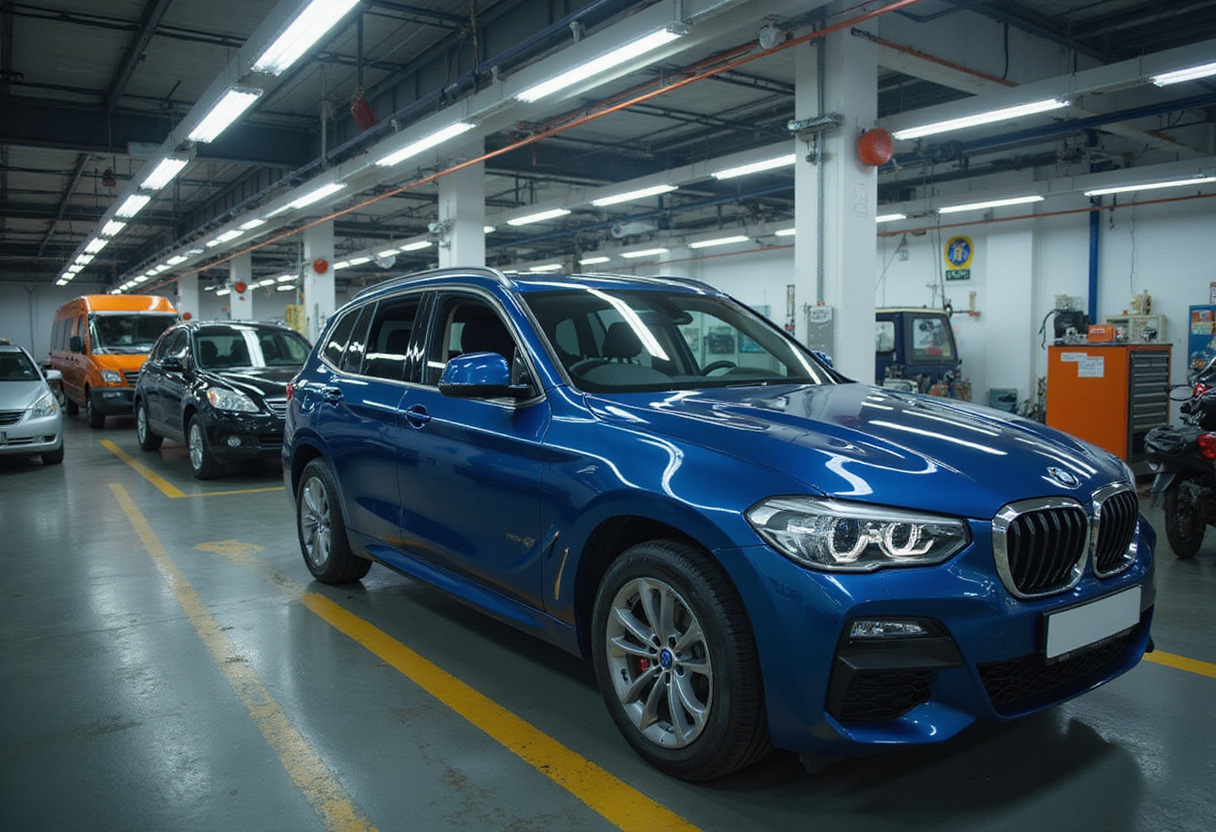
UK plants built 40,872 vehicles in August, up 5.7% year on year, according to figures from the Society of Motor Manufacturers and Traders (SMMT). The trade body was quick to frame the number: this was only the second monthly increase recorded in 2026, and August is a structurally low-output month, distorted by summer shutdown schedules that this year spanned July and August at some plants.
The underlying trend remains negative. Year-to-date output was still down, though the deficit eased to 7.1% from 8.1% after the first seven months.
Car output leads the recovery
Car production rose 6.1% to 39,328 units — the strongest monthly increase since December 2025. The domestic market drove the growth, with output for UK buyers up 26.0%. Export production grew a more modest 1.4%, but still accounted for 77.1% of all cars built in the month, underlining how exposed UK plants remain to demand beyond the border.
The export picture split sharply by destination. Among the top 10 markets, Australia posted the fastest growth at 104.7%, followed by Japan at 88.4% and the US at 48.6%. The US delivered the largest absolute volume gain, up 1,508 units. Shipments to Turkey, China and the EU moved the other way, falling 49.6%, 15.0% and 7.4% respectively — though the EU remained the UK's largest overseas destination, taking 54.1% of all exports.
Electrified vehicle output, covering battery electric and hybrid models, rose 2.0% and made up 43.6% of cars produced in the month — more than four in every 10 units rolling off UK lines.
Commercial vehicles stay under pressure
Commercial vehicle output told a different story. Production of vans, trucks, buses and coaches fell 4.8% to 1,544 units. Export performance for CVs was more positive, rising 10.9%, but a 15.5% drop in output for the domestic market outweighed it. Year-to-date CV volumes remain 50.9% down, a contraction the SMMT attributes to structural changes in UK manufacturing capacity rather than monthly demand swings.
Policy risk overshadows the numbers
The SMMT pointed to more than £1bn of investment announcements made in September by specialist and mass-market manufacturers as evidence of international confidence in UK engineering and workforce capability — even as countries compete more aggressively for industrial investment.
But the trade body flagged two looming threats. First, EU policymakers are progressing the Industrial Accelerator Act and its 'Made in Europe' proposals which, as drafted, would render UK-built vehicles uncompetitive in their largest market. The SMMT noted that British manufacturing generates €24bn of economic activity in the EU supply chain and supports a quarter of a million jobs across the bloc — meaning rules designed to strengthen European automotive could weaken the industry they aim to protect.
Second, from 1 January 2027, tougher rules of origin under the EU-UK Trade and Cooperation Agreement will impose additional tariffs on the majority of battery electric and plug-in hybrid vehicles traded both ways, at a cost the SMMT puts at a minimum of £1.4bn.
Mike Hawes, SMMT chief executive, said: "August's return to growth and this month's £1 billion-plus investment commitments show hard-won confidence in UK automotive manufacturing, confidence that must be protected, not put at risk.
"The UK and EU automotive industries are deeply integrated, so effectively excluding British-produced vehicles from their largest market would assure mutual damage.
"Both sides must urgently agree practical fixes to protect jobs, preserve shared competitiveness and keep the EU and UK industry moving."
The industry has called for the postponed EU-UK Summit to be rescheduled urgently to address both the 'Made in Europe' issue and the incoming rules of origin changes.
What to watch next: whether the EU-UK Summit gets a date on the calendar before the January 2027 rules of origin deadline, and whether September's £1bn-plus investment announcements translate into confirmed capacity at named UK plants in the coming months.
via motortradenews.com (Original)