ECO-7967 · REV X · effective October 20, 2026
Auto Industry PolicyRELEASEDEngineering notice
Tariffs Push Mexico's Auto Sector Into First Gear
Tariffs have pushed Mexico's auto industry into first gear: production continues, but trade costs now set the tempo for OEMs and suppliers across the corridor.
Scope of change
- Tariff pressure is now pacing Mexico's auto industry, per an IR Insider analysis
- Mexico's plants assemble for virtually every major OEM in North America
- No specific production or capacity figures accompanied the original report
- Tier two and three suppliers are typically first to absorb border cost increases
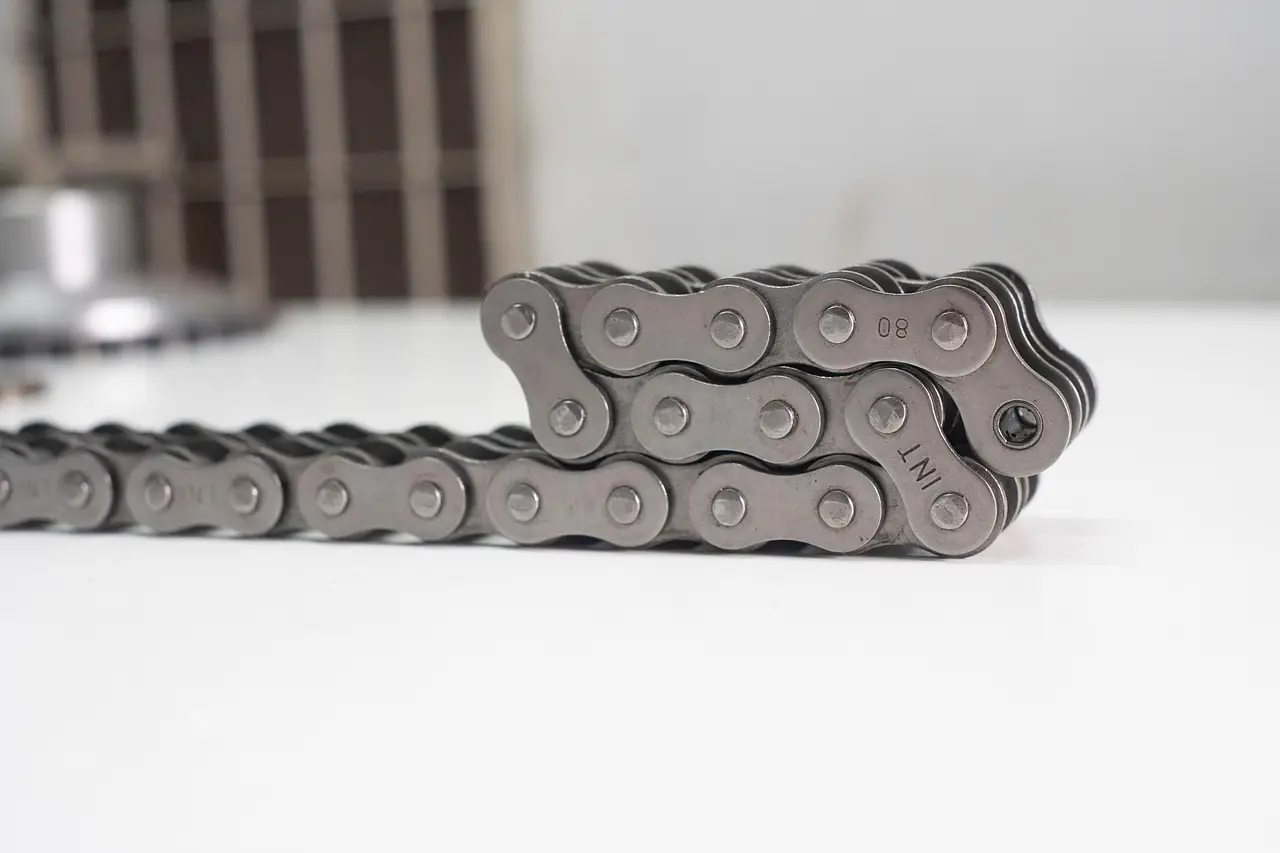
Tariffs have sent Mexico's auto industry into what one observer calls first gear — a polite way of saying the sector is moving, but slowly, and not by choice.
The headline claim comes from a recent IR Insider analysis, and it frames the situation bluntly: tariff pressure is now dictating pace for an industry that built its model on frictionless North American trade. No production figures, plant-level detail, or OEM-specific timing accompanied the piece, which is itself telling. The story right now is about direction, not magnitude.
What do the tariffs actually change?
Mexico's auto sector has spent three decades organizing itself around duty-free flow under NAFTA and its successor, the USMCA. Engines, wire harnesses, transmissions and finished vehicles cross the border multiple times before a car reaches a dealer lot. Tariffs tax every crossing that doesn't qualify for exemption.
The practical consequence is arithmetic, not drama. Each additional cost at the border either gets absorbed in supplier margins, passed to OEMs, or shows up on a window sticker. Suppliers at tier two and below — often the thinnest-margin links in the chain — feel it first.
The takeaway: tariffs don't stop production, they tax its rhythm.
Who carries the cost?
Without plant-level data in the source, the honest answer is that the distribution is still sorting itself out. But the pattern in tariff episodes is consistent. OEMs renegotiate. Tier ones squeeze. Tier twos and threes absorb, relocate, or exit.
Mexico's plants — concentrated in a corridor from Bajío to the northern border states — assemble for virtually every major OEM operating in North America. That breadth cuts both ways. It spreads exposure across many programs, and it means no single OEM decision resolves the pressure.
The takeaway: the cost lands hardest on the smallest players with the least pricing power.
What should watchers track next?
Three signals will tell us whether "first gear" becomes "reverse":
- Plant utilization rates at Mexican assembly and stamping facilities, quarter over quarter
- Any OEM announcements shifting program volume between Mexican, US, and Canadian sites
- Supplier contract renegotiations or relocations disclosed in earnings calls
Confirmed capacity moves will show up in production data before they show up in press releases. Trust the data.
The closer: for now, the engine is running — the question is whether anyone shifts up.
via Google News: Auto industry policy (Source)
More from Daniel Okafor
Show full bio
Senior reporter covering regulation, policy and their impact on Automotive manufacturing and vehicle production at Autoplant Brief.
258 articles