ECO-8156 · REV U · effective October 16, 2026
Auto Industry PolicyAPPROVEDEngineering notice
Steel, Aluminum Tariffs Set to Add Cost Pressure to Auto Industry
Steel and aluminum tariffs will push higher costs through automotive stamping, body and chassis supply chains, Supply Chain Dive reports. Purchasing teams should audit contracts now.
Scope of change
- Steel and aluminum tariffs will raise costs across automotive supply chains, per Supply Chain Dive.
- The U.S. auto industry is the largest single domestic consumer of flat-rolled steel.
- Section 232 steel and aluminum tariffs were first introduced in 2018 and produced compounded increases in the low hundreds of dollars per vehicle.
- Tariffs apply at the U.S. border and feed into stamping, body structures and chassis components.
- Pass-through from importer to stamper to OEM typically compounds cost at each tier.
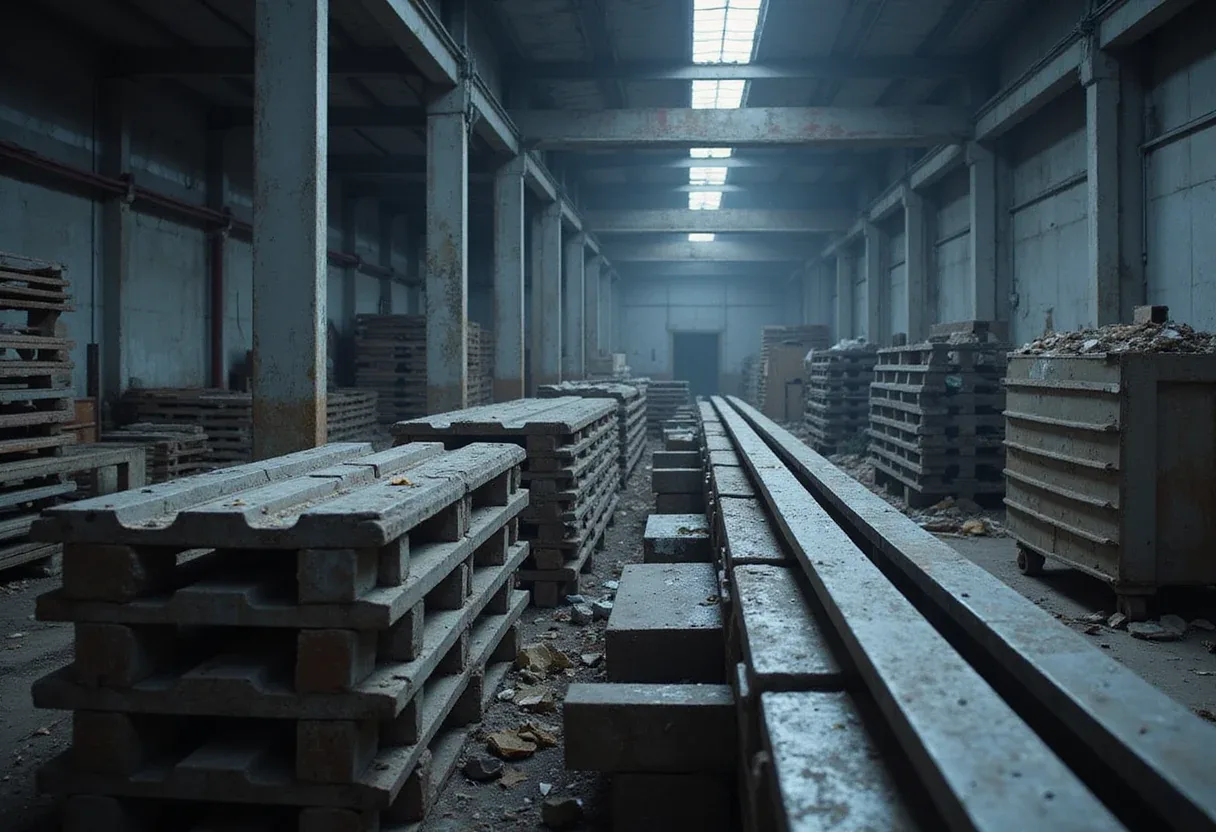
Steel and aluminum tariffs, hitting the largest single domestic buyer of flat-rolled steel (steel produced as flat sheet), will push higher costs through automotive supply chains, Supply Chain Dive reported this week. The duties apply at the U.S. border and feed directly into stamping (sheet-metal pressing), body structures and chassis components — categories where domestic mill capacity cannot fully replace imported volumes.
What does the ruling change?
For purchasing teams at OEMs (vehicle manufacturers) and Tier-1 suppliers (companies that deliver parts or assemblies directly to the vehicle assembler), the duties reset the economics of every active steel and aluminum contract. Long-term agreements built on pre-tariff pricing typically include surcharge clauses — pre-agreed extra fees that activate when border duties cross a set threshold. The arithmetic that purchasing managers ran last quarter no longer holds.
The auto industry remains the largest single domestic consumer of flat-rolled steel and a meaningful buyer of aluminum sheet for body panels and closures (doors, hoods and trunk lids). High-strength grades used in crash structures and electrical steel for motors in electrified powertrains are not produced at sufficient volume domestically to meet current program demand. Imports fill the gap, and those imports now carry the duty.
How does the cost flow through the chain?
Pass-through — the process of transferring added cost from one tier to the next — follows a familiar path. The importer, typically a steel service center or processor, pays at port of entry. The service center invoices the stamper at a higher per-tonne (per 2,204.6-pound unit) rate. The stamper, in turn, adjusts the unit price on stamped components supplied to the OEM's assembly plant. Each margin sits on top of the duty-inclusive base, and the cumulative effect at the vehicle level runs larger than the headline tariff rate suggests.
Past tariff episodes — including the Section 232 (U.S. national-security tariff authority) duties introduced in 2018 — produced compounded increases in the low hundreds of dollars per vehicle before any manufacturer absorption (the OEM eating part of the cost rather than passing it on).
What does this change for purchasing teams?
It changes the contract review calendar. Purchasing organizations should pull every active steel and aluminum agreement and audit the tariff-trigger language line by line. Teams that have not mapped their import exposure by HS code (Harmonized System code — the international customs classification number used to identify each product) need to do so now. Surcharge activations typically follow the customs entry date, not the contract date, and the gap between the two can leave a buyer exposed.
It also changes the conversation with mills. Domestic producers will field requests for volume shifts, but capacity in hot-rolled and cold-rolled sheet is already tight. Purchasing managers should expect longer mill lead times and partial allocations (a mill supplying only a portion of the requested tonnage), not full substitution.
What to watch next
- The published tariff rate and effective date in the Federal Register notice
- Country-specific exemptions, quota arrangements or product exclusions
- OEM and Tier-1 disclosures in upcoming quarterly earnings calls referencing tariff exposure
- Weekly steel service center surcharges published in market letters
- Mill allocation notices that signal domestic capacity stress
For now, the policy direction is confirmed and the cost pressure is real. The open questions are the rate, the timing, and how cleanly each program in the build schedule can isolate the impact.
via Google News: Auto industry policy (Source)
More from Marcus Bennett
Show full bio
News editor covering regulation, policy and their impact on Automotive manufacturing and vehicle production at Autoplant Brief.
202 articles