ECO-4460 · REV W · effective November 11, 2026
Suppliers & Tier-1sAPPROVEDEngineering notice
Solus targets 25,000 tonnes of Quebec battery-foil capacity for 2027
Solus Advanced Materials says its Granby, Quebec, battery-foil plant is nearing completion, with 25,000 tonnes of annual first-phase capacity and mass-production readiness targeted for 2027.
Scope of change
- Solus said on Nov. 11 that major construction at its Granby, Quebec, plant is nearing completion and production-equipment installation is underway.
- The first phase has a stated capacity of 25,000 metric tonnes of battery foil per year.
- Solus targets mass-production readiness in 2027 but disclosed no firm commercial-production date.
- A possible increase to 63,000 tonnes per year depends on North American demand and has no disclosed timetable or expansion funding package.
- VESC is developing the site; Solus named no OEM customer, cell maker, offtake contract, capital cost or job count.
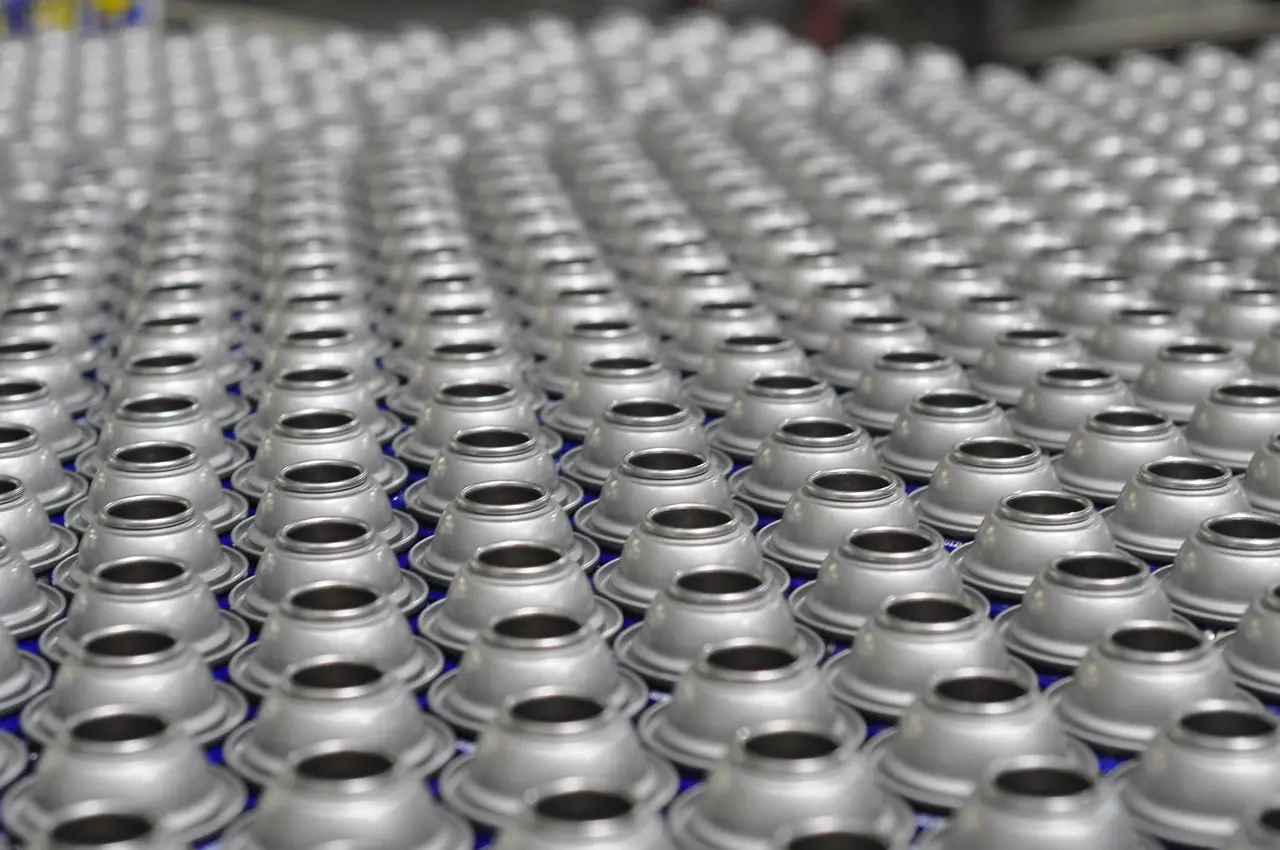
Solus Advanced Materials says its battery-foil plant in Granby, Quebec, plans 25,000 metric tonnes of annual first-phase capacity and targets mass-production readiness in 2027. The Nov. 11 statement sets company targets; it does not establish a confirmed production start date or operating output.
At the site, major construction is nearing completion while production-equipment installation continues, Solus said. The developer is its Canadian subsidiary, Volta Energy Solutions Canada (VESC), which is positioning the facility as a North American production base for battery foil, a battery-cell material.
Solus calls the site North America’s only battery-foil production base. The announcement offers no plant-by-plant capacity comparison or independent production data to test that exclusivity claim, so the statement remains a company assertion.
The demand case rests on electric vehicles (EVs) and energy storage systems (ESS), with Solus also linking ESS growth to artificial intelligence (AI) data centers and rising power demand. That outlook supports the expansion argument, but the company supplied no North American demand forecast, customer commitments or foil-volume assumptions.
A Solus spokesperson said: “Construction of the Canadian plant is progressing smoothly according to plan, and we are focusing on readiness for mass production in 2027 backed by stable investment funding.” The spokesperson added: “Building a local production system in North America will raise our customer responsiveness and help us meet expanding demand in the EV and ESS markets.”
At the battery-materials tier, Solus is the upstream supplier in this project. The update named no original-equipment manufacturer (OEM), cell maker, tier-one customer or binding offtake agreement, leaving the plant’s precise supply position and technical qualification with buyers undisclosed.
What is confirmed, and what remains planned?
Solus states first-phase capacity at 25,000 tonnes a year. That is the plant’s stated design capacity, while commissioning, production yield and operating rate remain unproven. Solus also plans to raise annual output to 63,000 tonnes as North American demand develops, but gave no expansion timetable, equipment package or capital amount.
The company cited stable investment funding but disclosed neither the project budget nor the number of jobs. Its “North America’s only” designation and the 63,000-tonne ceiling therefore should not be treated as operating facts without commissioning, shipment and customer data.
Granby gives the project proximity to major North American battery production hubs, according to Solus. The company expects that location to improve logistics and speed up customer response, yet disclosed no named hub, transport distance, service target or logistics agreement.
What does this change for battery manufacturers?
For North American battery manufacturers, the plant adds a potential local material source only after technical and commercial qualification. If the 2027 schedule holds and output proves stable, proximity to battery clusters could shorten logistics and improve responsiveness. Solus disclosed no OEM, customer, contracted volume, qualification result or delivery performance to substantiate those benefits.
For suppliers, the immediate test is commissioning at 25,000 tonnes, not the 63,000-tonne ambition. Solus must convert construction and equipment progress into repeatable production before buyers can treat Granby as a qualified North American supply base.
Next checkpoints
Watch for a firm commercial-production date within 2027, completion of equipment installation and commissioning, then measured output against the 25,000-tonne annual capacity. Customer qualifications and orders will determine whether Solus proceeds toward 63,000 tonnes.
No policy decision appears in the announcement. The immediate watchpoints are the launch date, the capacity milestone and the North American demand needed for expansion.
via asiae.co.kr (Source)
More from Marcus Bennett
Show full bio
News editor covering regulation, policy and their impact on Automotive manufacturing and vehicle production at Autoplant Brief.
293 articles
Also circulated
- CommercialSearch Report: EV Production Growth Loses Steam
- Honda Confirms 'Indefinite' Hold on Planned Canada EV Plant
- Honda Repurposes EV Plant to Build Batteries for Data Centers
- Bruegel: Europe's Battery and EV Manufacturing Base Remains Fundamentally Sound
- T&E: EU-Made Battery Cell Supply Will Be Sufficient by 2030