ECO-5282 · REV I · effective November 11, 2026
Suppliers & Tier-1sAPPROVEDEngineering notice
SK hynix lands SIL 3 safety rating for LPDDR5X memory
SK hynix holds IEC 61508 SIL 3 certification for LPDDR5X plus ISO/SAE 21434 cybersecurity approval, opening bids on robots and software-defined vehicles.
Scope of change
- SK hynix secured IEC 61508 SIL 3 certification for LPDDR5X, the highest level a single memory chip can reach on the four-level scale
- SGS-TÜV Saar conducted both the SIL 3 assessment and the ISO/SAE 21434 cybersecurity management system approval
- A certified CSMS is required under UNECE rules before a vehicle can gain type approval
- The LPDDR5X supports continuous-mode operation for real-time safety functions such as live robot control
- SK hynix will target robot platform builders and system-on-chip designers with the certified memory
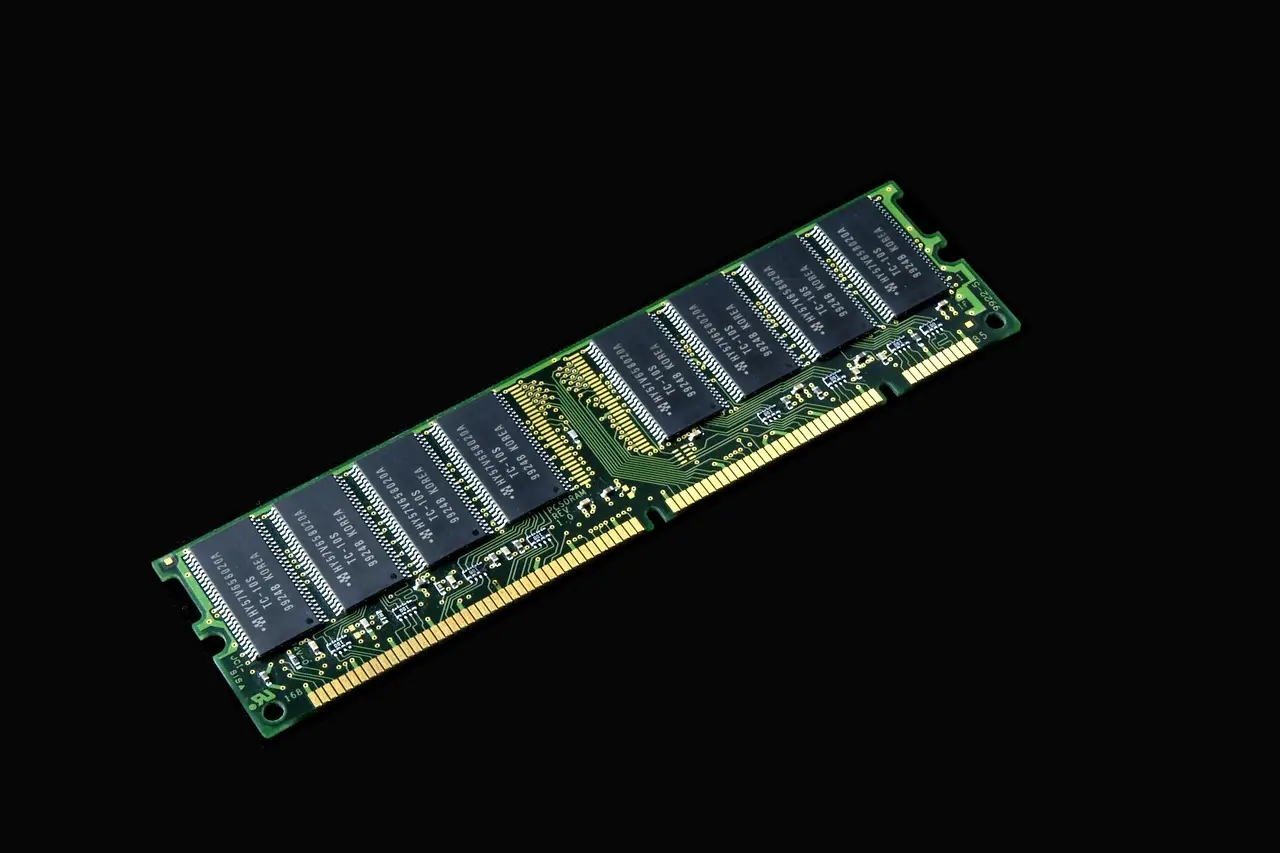
SK hynix has secured IEC 61508 functional safety certification at safety integrity level (SIL) 3 for its LPDDR5X memory, the highest rating a single memory chip can reach on the standard's four-level scale, according to the company. SGS-TÜV Saar carried out the assessments, and the certificate landed alongside a separate approval of SK hynix's cybersecurity management system (CSMS) under ISO/SAE 21434, the automotive cybersecurity engineering standard.
That's two credentials in one move. Both underpin the Korean chipmaker's push into what it calls physical AI — robotics, smart factories and software-defined vehicles where memory sits inside machines that sense, decide and act in the real world.
What does SIL 3 actually change for a memory supplier?
Plenty, in industrial markets. The certified LPDDR5X supports continuous-mode operation, meaning safety functions keep running in real time without interrupting the host system. That matters for tasks such as live robot control, where a memory hiccup can't be tolerated mid-motion.
SK hynix argues the rating carries the automotive functional safety credentials it already holds under ISO 26262 — the road-vehicle functional safety standard — into industrial settings. Its reasoning: vehicles and robots share the same cycle of sensing, deciding and acting, so automotive safety experience transfers directly.
The certification covers more than one part. SGS-TÜV Saar also certified the chip's development process, which SK hynix says builds safety requirements into future products rather than treating compliance as a one-off test.
Why the cybersecurity approval may matter more to automakers
The CSMS approval is the sharper commercial signal for vehicle customers. Under United Nations Economic Commission for Europe (UNECE) rules, a validated CSMS is a prerequisite before a vehicle can gain type approval. No CSMS, no road-legal connected car.
The requirement has grown teeth as connected, software-defined vehicles face rising cyber threats. Tier-one memory suppliers that can show a certified cybersecurity management system shorten the compliance path for OEMs and their SoC (system-on-chip) partners building those vehicles.
Where SK hynix aims to sell this
The company plans to target customers building robot platforms and system-on-chip designs. Its pitch rests on the fundamentals of LPDDR5X itself: low power draw and high performance, a fit for edge devices sensitive to power and heat. Robots, factory equipment and vehicle compute nodes all sit in that envelope.
The claim deserves scrutiny, as any supplier announcement does. A certification confirms the chip met the standard's assessment criteria; it doesn't yet equal design wins or production volumes. What it does establish is eligibility — SK hynix can now bid on safety-critical programs where an uncertified memory supplier would be screened out before technical evaluation even begins.
What to watch next
Watch for the first disclosed design wins on robot platforms or automotive SoCs that name the certified LPDDR5X, and for whether competitors in mobile and automotive DRAM pursue their own SIL 3 filings. The capacity and revenue impact will show up in program timing: safety-certified memory typically enters production with the vehicle or robot platform it was designed into, not before.
via news.skhynix.com (Original)
More from Grace Kim
Show full bio
Staff writer covering people, launches and day-to-day practice in Automotive manufacturing and vehicle production at Autoplant Brief.
265 articles
Also circulated
- Volkswagen Cleared for Level 3 Autonomous Driving Trials in Hefei
- ECARX and Arm sign MoU for automotive AI compute platforms
- LG earns first ASIL D gateway certification for Genesis GV90
- Nissan, Mercedes Add Warnings to Auto Chip Supply Crisis
- Micron signs memory deals with seven Tier 1 automotive suppliers