ECO-4280 · REV E · effective November 13, 2026
Suppliers & Tier-1sAPPROVEDEngineering notice
Russian strikes on Kromberg & Schubert plants restart wiring harness shortages
Russian strikes on Kromberg & Schubert's Ukrainian plants have hit harness supply to BMW, Skoda and others — the second such disruption since 2022.
Scope of change
- Russian attacks on Kromberg & Schubert plants near Zhytomyr and Lutsk triggered harness shortages at BMW and Skoda
- BMW's Regensburg, Leipzig and Oxford plants were affected; Regensburg has resumed, Oxford recovery will take longer
- Kromberg & Schubert's Lutsk site, which supplies BMW, Mercedes, Audi and Porsche, suspended operations after a mid-October attack
- Skoda cut extra and night shifts for the Enyaq, Elroq and Kodiaq but resumed regular output this week
- Spring flooding at a Kromberg & Schubert plant in Morocco previously hit electric Mercedes GLC output in Bremen
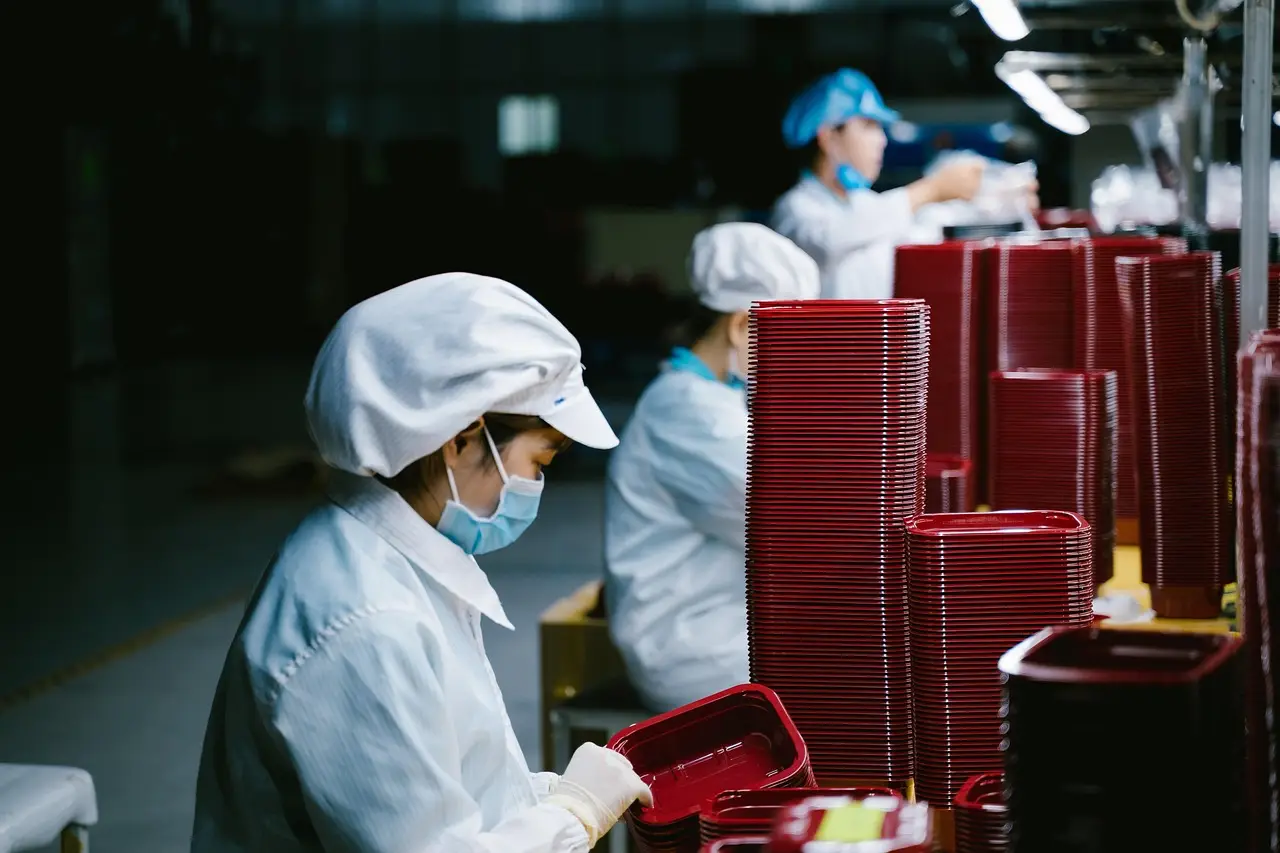
Four automakers — BMW, Mercedes-Benz, Audi and Porsche — source wiring harnesses (the model-specific electrical cable sets installed early in body assembly) from Kromberg & Schubert's Ukrainian plants, and renewed Russian strikes on those sites have triggered a fresh round of European production disruption.
According to a Handelsblatt report citing industry sources, the current squeeze stems from attacks on the German supplier's facilities in Ukraine. BMW has confirmed short-term parts shortages and resulting production adjustments, though it declined to name the supplier or the affected components.
Three BMW plants took the hit: Regensburg, Leipzig and Oxford. Regensburg, which builds the X1 and X2 plus the electric iX1 and iX2, has already resumed production. Leipzig is expected to return to normal operations shortly. Oxford, the Mini plant, will likely take longer. The size of the production backlogs across all three sites remains unclear.
What happened at Skoda?
Skoda endured weeks of shortages, with media reports saying additional and night shifts were cut. The affected models were the electric Enyaq and Elroq, plus the Kodiaq. This week, Skoda said production is back to regular operations.
Kromberg & Schubert runs Ukrainian plants near Zhytomyr and Lutsk. The Zhytomyr site has been attacked multiple times in recent months, suffering significant damage to production facilities and infrastructure and forcing temporary shutdowns. In mid-October, the Lutsk plant also suspended operations after an attack, according to Ukrainian news agency Interfax.
So far the damage is uneven. Mercedes-Benz reports no production disruptions. Audi and Porsche haven't reported issues at their plants either.
Why can't harnesses simply be moved?
Wiring harnesses resist quick relocation. They're highly customised to specific models and their configurations, and they're installed early in the bodywork process. Any alternative site needs available capacity, suitable equipment, trained personnel, and approval from the automaker. That's the bottleneck.
This isn't the first time. Shortly after Russia's invasion began in spring 2022, missing Ukrainian harnesses forced stoppages across Europe. BMW halted Munich and Dingolfing, with Regensburg and Leipzig also hit; Mini production at Oxford was suspended. Volkswagen's MEB-platform plants (Volkswagen's dedicated EV architecture) in Zwickau and Dresden temporarily ceased operations.
Manufacturers and suppliers then expanded capacity outside Ukraine, including in North Africa. Even that hasn't been bulletproof. In spring, severe flooding damaged a Kromberg & Schubert plant in Morocco — media reports say this affected production of the electric Mercedes GLC in Bremen before Mercedes secured supply from other locations.
What does this change for the supply chain?
The renewed shortages underline how fragile sourcing remains for complex vehicle electrical systems. Parallel production of identical harnesses at multiple sites would cut dependency, but it would raise costs and engineering effort for both manufacturers and suppliers. Nobody has committed to that yet.
What to watch next: how fast Mini output at Oxford recovers, whether Zhytomyr and Lutsk come back online without further strikes, and whether any OEM publicly commits to dual-sourcing harnesses after this second disruption in three years.
via electrive.net (Original)
More from Grace Kim
Show full bio
Staff writer covering people, launches and day-to-day practice in Automotive manufacturing and vehicle production at Autoplant Brief.
265 articles
Also circulated
- BMW Steyr Starts Neue Klasse Electric Motor Production
- Mercedes-Benz Weighs Closing Two German Plants Over Costs
- BMW Opens Its Munich Plant Doors for an EV-Focused Tour
- BMW Starts Powertrain Production for Neue Klasse Platform
- Mercedes-Benz board halts new German plant investment, weighs closing two factories