ECO-5729 · REV B · effective October 9, 2026
Suppliers & Tier-1sRELEASEDEngineering notice
Queretaro Crosses 1,000-Supplier Auto Milestone, Report Says
Queretaro has reached 1,000 active automotive suppliers, Mexico Business News reported, in what the publication framed as a strengthening of the state's auto supply chain.
Scope of change
- Queretaro has reached 1,000 active automotive suppliers, Mexico Business News reported
- Queretaro sits between Mexico City and the Bajío manufacturing corridor
- OEM assembly plants within reach include those operated by General Motors, Stellantis, Nissan, Toyota and Volkswagen
- Mexico Business News did not break out the figure by tier, ownership or product category
- AMIA publishes supplier data annually and would be the most credible source for a validated count
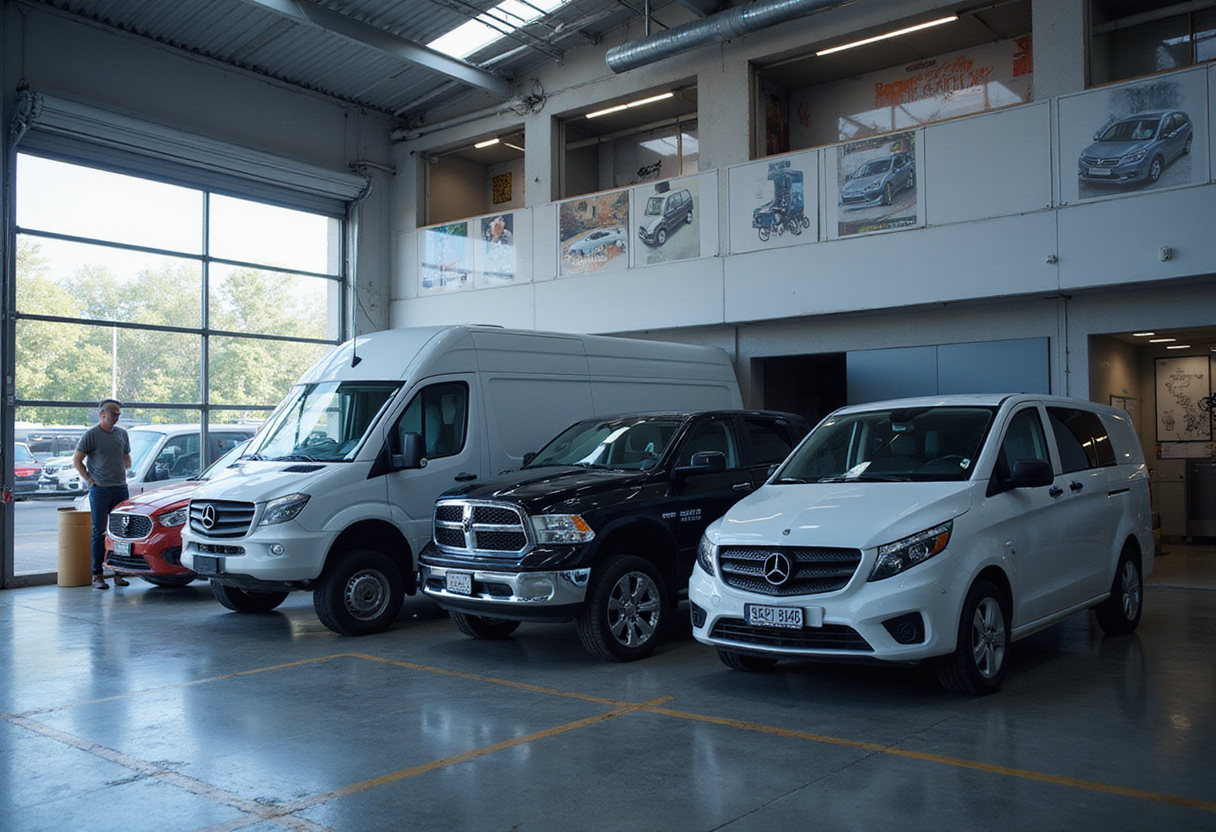
Queretaro has reached 1,000 active automotive suppliers, Mexico Business News reported this week, in what the publication framed as a strengthening of the central Mexican state's auto supply chain.
The figure marks a milestone for a state that has spent two decades building a component base around OEM assembly operations within and adjacent to its borders. Mexico Business News said the count signals the state's continued consolidation as a parts-sourcing hub for North American vehicle production.
Queretaro sits between Mexico City and the Bajío manufacturing corridor, a position that has drawn Tier 1 and Tier 2 suppliers serving assembly plants run by several global automakers. The state's industrial parks host tiered networks that feed programmes stretching from compact passenger cars to light commercial vehicles.
What does the 1,000-supplier count measure?
Mexico Business News did not break out the figure by tier, ownership or product category. A 1,000-supplier base in a single state can mean several different things depending on the methodology behind the count. It could capture every registered parts maker shipping into OEM assembly, from stamping shops and plastics moulders to wiring harness assemblers and electronics module producers. It could also include logistics, tooling and engineering services adjacent to the parts trade.
For manufacturing planners sourcing in central Mexico, the methodology matters. A count dominated by Tier 1 system suppliers signals a state ready to host full powertrain and chassis programmes. A count weighted toward Tier 2 component makers suggests a state better positioned for low-cost sourcing of sub-assemblies. Until Mexico Business News or state authorities publish a tier breakdown, the headline number alone does not distinguish between the two.
The headline also leaves open whether the count is a stock figure or a flow figure: the number of suppliers operating in the state as of a given date, or the cumulative count of suppliers that have set up operations over time.
Which OEMs anchor the cluster?
Mexico Business News did not name the OEM customers for Queretaro's 1,000-supplier base. The state sits within reach of assembly plants operated by General Motors, Stellantis, Nissan, Toyota and Volkswagen, all of which source components from the central Mexican corridor. Queretaro itself hosts supplier parks that feed several of those programmes.
The composition of the customer base will determine whether Queretaro's supplier count translates into long-term volume. Plants running multiple shifts on high-volume nameplates absorb parts at a rate that supports a 1,000-supplier network. Plants approaching end-of-life or facing reallocation can shrink that customer base quickly.
Mexico's federal automotive data shows production volumes shifting between states as OEMs rebalance capacity. A supplier base anchored to plants running near full utilisation has a different trajectory from one serving plants with declining output.
What comes next for Queretaro's supplier base?
Three items will tell readers whether the 1,000-supplier figure represents a stable position or a snapshot.
First, a tier-by-tier breakdown from state economic development officials or the Mexican Automotive Industry Association (AMIA). AMIA publishes supplier data annually and would be the most credible source for a validated count.
Second, OEM sourcing announcements tied to upcoming EV programmes. Several global automakers are reshuffling Mexican supply chains as they allocate battery-electric capacity. Any disclosure of which suppliers win EV-related contracts in Queretaro will signal whether the state's 1,000-supplier base is built to absorb the transition, or whether it remains anchored to internal-combustion programmes facing demand peaks before the end of the decade.
Third, USMCA review data and nearshoring indicators. As US manufacturers shift sourcing closer to the US market, central Mexican states with dense supplier networks will capture the bulk of new programme allocations. Whether Queretaro converts its 1,000-supplier count into new contract wins will show up first in supplier-park occupancy rates and in second-quarter capital expenditure filings from the Tier 1s based in the state.
Until those data points land, the headline number stands as a marker of clustering density rather than a measure of competitive position.
via Google News: Automotive suppliers and Tier-1s (Source)
More from Daniel Okafor
Show full bio
Senior reporter covering marketplaces and e-commerce at Autoplant Brief.
176 articles