ECO-9552 · REV K · effective October 30, 2026
Automation & RoboticsAPPROVEDEngineering notice
Only 11% of Auto Suppliers Have Talent to Run Their Automation
Only 11% of suppliers say they can run the automation they have, as tariffs raise both the incentive and the cost of automating U.S. brownfield plants.
Scope of change
- Only 11% of surveyed automotive suppliers believe they have sufficient in-house technical talent to operate and expand automation systems.
- One supplier said it would hire 30 PLC engineers immediately if it could.
- Suppliers source automation equipment mainly from Germany, Italy, Japan, Switzerland and China due to weak U.S. domestic supply.
- Process optimization and quality improvement were the two most frequently cited sources of automation ROI.
- One manufacturer requires a one- to two-year payback on automation due to fast-changing customer requirements.
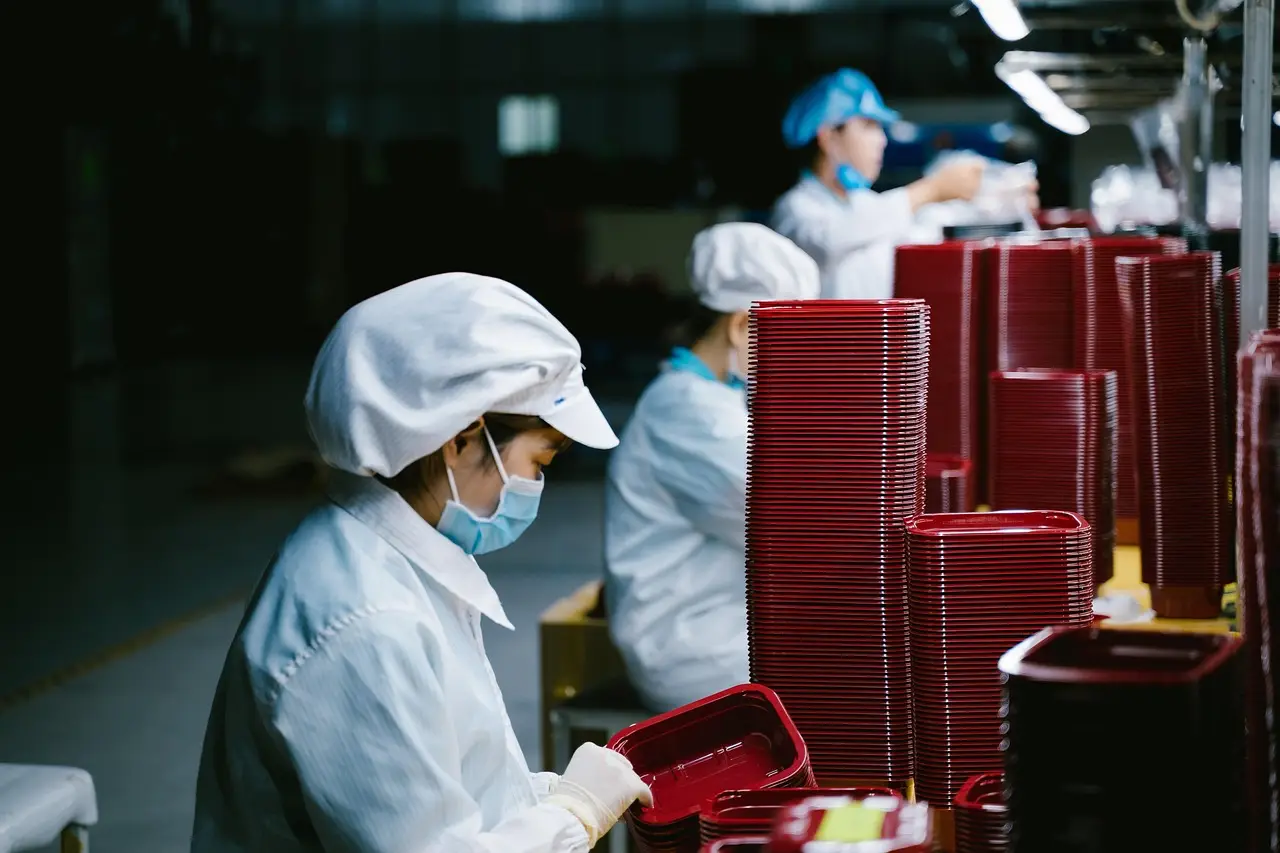
Only 11 percent of automotive suppliers believe they have enough in-house technical talent to operate and expand their automation systems, according to research conducted with MEMA — The Vehicle Suppliers Association. One supplier said it would hire 30 PLC (programmable logic controller) engineers immediately if it could. The finding anchors a blunt warning for brownfield manufacturers: the automation system with the lowest theoretical unit cost may not be the system with the best economics.
The analysis, published by consultants with direct supplier interviews, argues that older plants face fundamentally different economics than greenfield sites. Equipment may have decades of remaining life. Material flows have grown around available floor space. Controls and data architectures span multiple technology generations. New equipment often must be installed while the plant keeps shipping to customers.
What does the talent shortage actually change?
It shifts the labor problem rather than solving it. Suppliers identified controls engineers, maintenance technicians and automation specialists among their hardest positions to fill. One manufacturer admitted it had "over-automated" a facility and then struggled to find people able to run it. A castings supplier put it more sharply: programming the robots wasn't the problem — finding maintenance personnel to keep them running was the bigger barrier.
The net effect: fewer people per part, but a smaller, more critical pool of skilled employees. The research argues that talent shortages belong inside the automation business case, not in a separate HR bucket. A system that impresses at acceptance testing but can't be reliably supported three to five years later isn't successful automation.
How do tariffs cut both ways?
Trade policy can improve the relative economics of U.S. manufacturing by raising the cost of imported finished goods and components. But it also raises the cost of the equipment plants need to become more productive. The U.S. no longer has a robust domestic ecosystem for advanced automation equipment, the research finds. Interviewed suppliers rely on machinery from Germany, Italy, Japan, Switzerland and, increasingly, China, because comparable U.S. equipment was unavailable, more expensive or carried longer lead times.
The paradox: tariffs increase the incentive to automate U.S. manufacturing while simultaneously increasing the cost of automation. Until the U.S. rebuilds its industrial equipment ecosystem, tariffs on technology that can't be competitively sourced domestically risk taxing the very productivity investments domestic plants need.
Where do the returns actually come from?
Not from maximum robot count. The research found the strongest returns came from focused applications — process optimization and quality improvement topped the ROI list. The most widely adopted technologies were machine vision, real-time KPI (key performance indicator) monitoring and predictive maintenance.
The article sets out four questions before approving any automation spend:
- Does it improve finished output, or just one or two operations? Raising machine utilization from 70 to 80 percent means little if the extra output piles up as work in process. Business cases should measure finished throughput, yield, scrap, rework, downtime, inventory and margin — not cycle time alone.
- Are we automating value or waste? Brownfield processes carry decades of workarounds. "One of the fastest ways to make waste permanent is to automate it."
- Optimal or resilient? One manufacturer required a one- to two-year payback because processes and customer requirements change too fast to underwrite longer returns. Flexible systems with faster changeovers and redeployment options carry real economic value.
- Can we operate it in year five? Automation is increasingly software-intensive, layering vision, analytics and AI onto the maintenance burden.
What to watch next
The takeaway for plant management: drop the stand-alone automation strategy and the AI strategy. Maintain a plant-level productivity portfolio instead — where yield is lost, where labor limits output, where downtime destroys capacity — then pick the intervention, whether robotics, layout change, training or process redesign. Watch how MEMA suppliers' hiring data and U.S. equipment-sourcing responses evolve as tariff policy settles; both will signal whether the paradox tightens or loosens through the next investment cycle.
via adlittle.com (Original)
More from Grace Kim
Show full bio
Staff writer covering people, launches and day-to-day practice in Automotive manufacturing and vehicle production at Autoplant Brief.
245 articles