Effective November 19, 2026
Vehicle Plants & ProductionEngineering notice
Nissan turns Mexico into cost-cut lab before Chinese rivals arrive
Nissan is testing automation, simpler engineering and faster development in Mexico, aiming to match Chinese brands on cost within a two-year window, chairman Christian Meunier said.
Scope of change
- Nissan Americas chairman Christian Meunier cited a two-year window before Chinese brands produce in Mexico.
- Nissan's US market share fell by one-third in the decade to 2023, recovering to about 6%.
- Cost measures include automation, simpler engineering, faster development and supply-chain savings.
- Hybrid Rogue deliveries have begun; body-on-frame SUVs including the Xterra return later this decade.
- Dongfeng Nissan in Guangzhou builds the five-seat NX7 PHEV now in pre-sales in China.
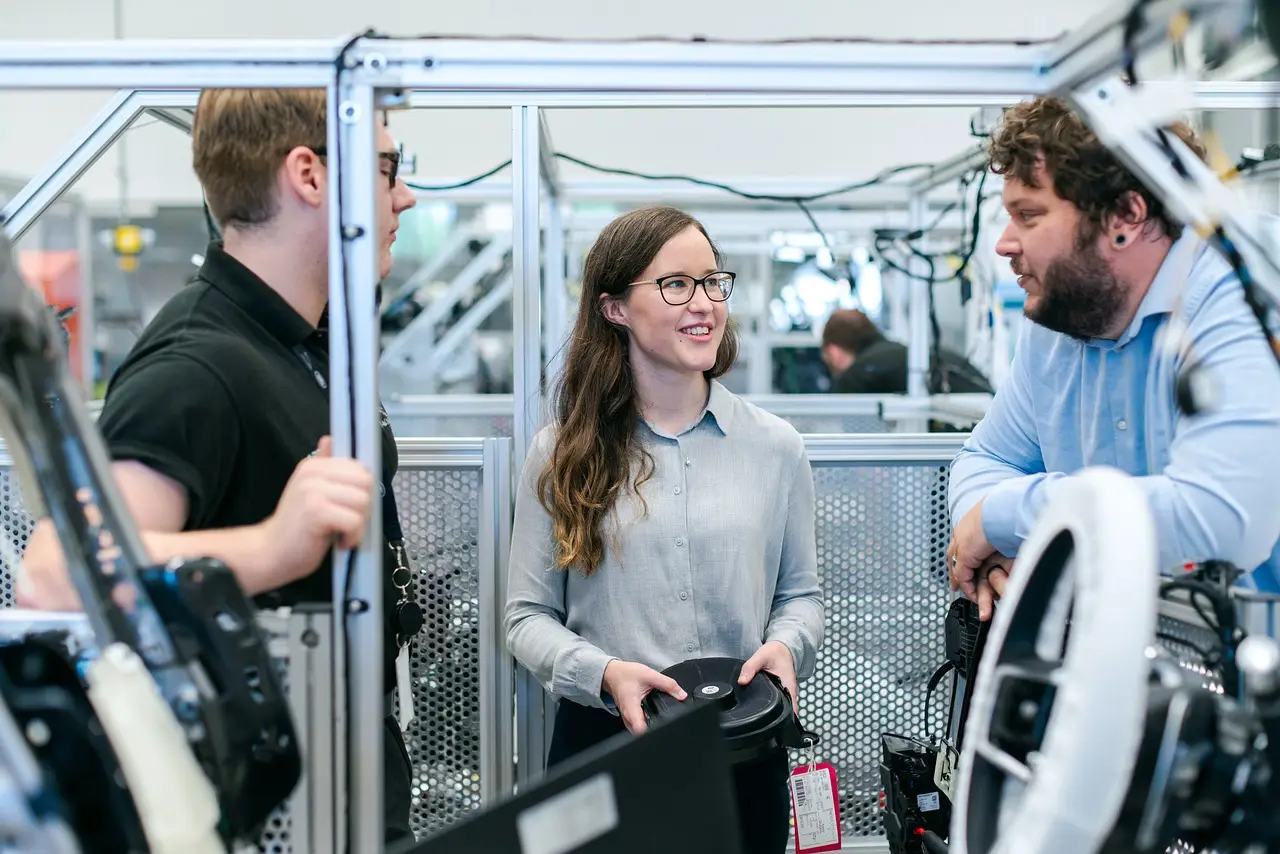
Nissan is running cost-reduction trials across its Mexican operations, betting it has a two-year window before Chinese manufacturers start building vehicles in Mexico and dodge import duties. The plan, laid out by Nissan Americas chairman Christian Meunier at a Detroit suppliers conference, treats Mexico as a live test bed for competing on price with Chinese brands.
Reuters reported the comments, made at a conference hosted by MEMA, the vehicle suppliers association, and in a later media briefing.
What is Nissan testing in Mexico?
Four work streams make up the program:
- increased automation on the production line
- simpler vehicle engineering
- faster development cycles
- reduced supply-chain spending
"Mexico is going to be a really good ground for us to experiment and to learn" how to match Chinese competitors on cost, Meunier was quoted as saying. The quote is a promise of learning, not a delivered result. Nissan has published no target figures for the cost cuts, and the report cites no baseline savings number.
The announcement is an intention, not a confirmed capacity or program change. No plant, investment amount or headcount figure accompanied Meunier's remarks.
Why Mexico, and why now?
Chinese brands have rapidly expanded their share of the Mexican market, a country where Nissan has long been the top-selling manufacturer. Tariffs introduced earlier this year have blunted Chinese price competitiveness. Meunier said that protection is temporary, giving Nissan roughly two years before Chinese manufacturers begin local production in Mexico and avoid import duties.
Mexican competition serves as rehearsal for a possible Chinese entry into the US market, where tariffs and regulations prohibiting Chinese software currently block that competition. Whether those rules hold is outside Nissan's control.
The stakes for Nissan are concrete. Its US market share fell by one-third in the decade to 2023, then recovered to roughly 6%. Meunier framed the Mexican trials as preparation for a US fight the company cannot yet fight directly.
What else is Nissan doing on volumes?
Nissan has begun delivering a hybrid version of the Rogue compact SUV to shore up US volumes. Several body-on-frame SUVs are planned for later this decade, including a return of the Xterra nameplate. Those launches remain plans; no production start dates were disclosed.
In China, Nissan Motor has started pre-sales of the NX7 plug-in hybrid compact SUV and unveiled a PHEV NV200 van. Dongfeng Nissan, the joint venture based in Guangzhou in Guangdong province, builds the five-seat NX7. Nissan hopes the models strengthen its position in China's NEV market and slow its short-term sales decline there.
What to watch next
Watch for the first measurable outcome of the Mexican trials — a cost-per-unit figure, an automation investment, or a supplier renegotiation. The two-year clock Meunier described is already running. The real test comes when a Chinese manufacturer confirms local Mexican production, and Nissan has to show whether the experiments produced savings or just lessons.
via reuters.com (Original)
More from Amara Osei
Show full bio
Market editor covering technology and product news in Automotive manufacturing and vehicle production at Autoplant Brief.
336 articles