Effective November 23, 2026
Suppliers & Tier-1sEngineering notice
JAMA Drafts Common Standards for Steel, Plastics and Harnesses
JAMA and the parts association are building shared standards for steel quality, plastics recycling and wire-harness colour coding, aiming to cut procurement costs across Japan's supply chains.
Scope of change
- JAMA is developing industrywide standards for components and materials with the Japan Auto Parts Industries Association
- The initial scope covers steel, plastics and wire harnesses
- Applications include a colour-coded wiring harness scheme, a shared plastics recycling protocol and common steel quality criteria
- The initiative stems from seven priority challenges JAMA identified in 2024, including supply chain standardisation
- The effort may later broaden to cover other components
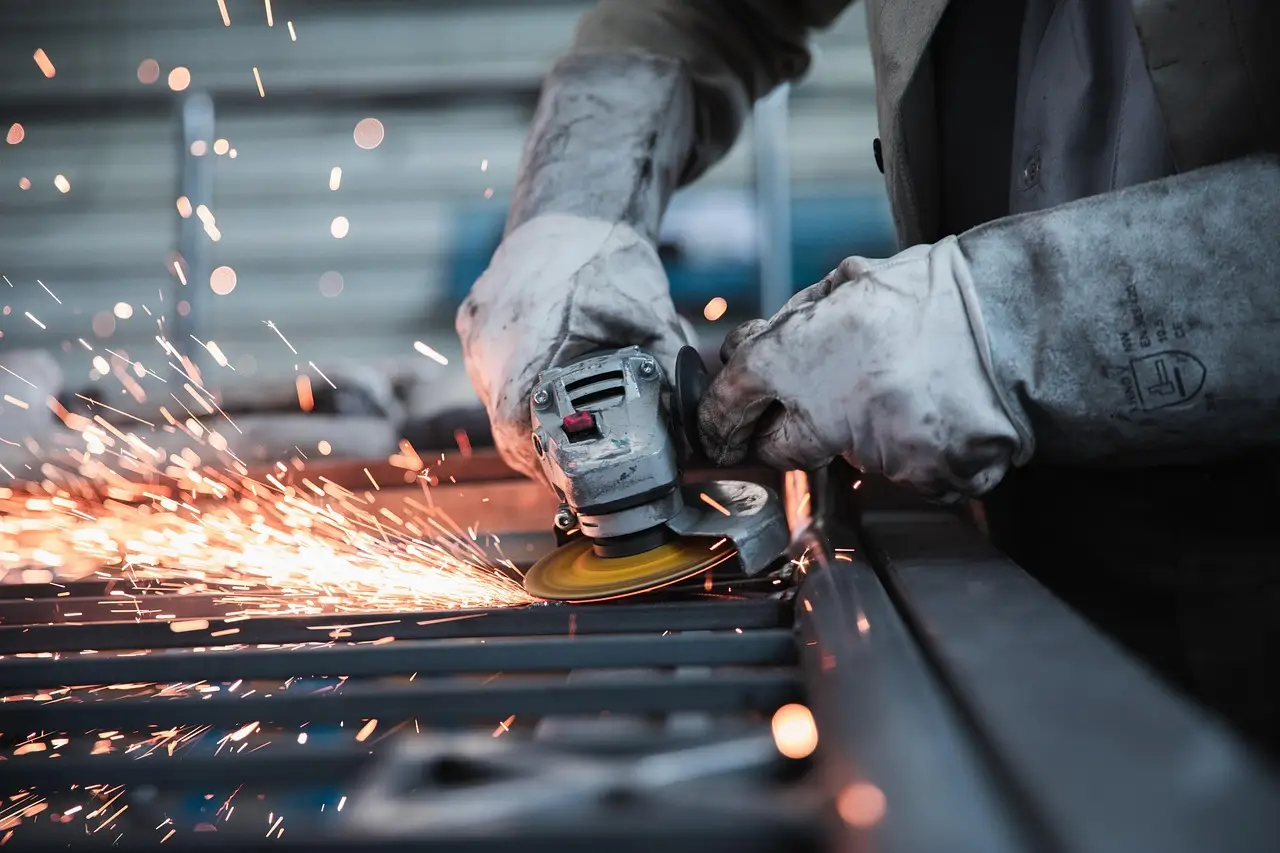
Seven priority challenges, one common thread: Japan's automakers want to buy the same things the same way.
The Japan Automobile Manufacturers Association (JAMA) is moving to create industrywide standards for components and materials, aiming to enable more efficient procurement across company supply chains. Reports say the plan, run jointly with the Japan Auto Parts Industries Association, will initially focus on three areas: steel, plastics and wire harnesses.
No target savings figure has been published. That's worth flagging early — this is an announced intention, not a confirmed program with a budget and a delivery date attached.
What would actually be standardised?
According to Nikkei, the candidate applications are refreshingly concrete:
- A colour-coded scheme for wiring harnesses, so a connector or cable looks and behaves the same regardless of which OEM's line it feeds.
- A shared protocol for plastics recycling, aligning how material flows back through the supply chain.
- Shared quality criteria for steel supply, so mills and tier suppliers aren't certifying against divergent spec sheets.
Wire harnesses are a sensible first target. They're labour-intensive, high-part-count assemblies that touch dozens of suppliers across every vehicle programme. Standardising colour codes alone would remove a small but persistent friction from procurement and service operations.
The initiative will eventually consider broadening to cover other components, Nikkei reported.
Why now?
JAMA identified the seven priority challenges last year, and bolstering supply chains through standardisation sits among them. The backdrop is competitive pressure: Japanese OEMs are fighting cost battles on every front — against Chinese entrants at the value end, against legacy rivals on EV programme spending, and against margin compression from materials and logistics costs.
Shared standards are the classic manufacturing answer when you can't cut volume or price: squeeze the specification.
Claim versus evidence
Treat this as a claim to verify, not a delivered result. Standardisation initiatives in autos have a long history of stalling exactly where they get useful — on the parts that differentiate products. Nobody standardises the fun bits.
Steel, plastics and harnesses are commodity-adjacent, which raises the odds. But the proof will come when a production programme actually sources against the shared spec, and when supplier contracts reflect it.
What to watch next
The milestones that matter: publication of the draft standards, the first tier-one contracts written against them, and any decision to widen scope beyond the initial three material groups. Until then, this is a plan with promising paperwork.
Standards are cheap to announce and expensive to adopt. Japan's OEMs have just told us which parts of the bill they intend to share.
— Daniel Okafor
via just-auto (Source)
More from Daniel Okafor
Show full bio
Senior reporter covering regulation, policy and their impact on Automotive manufacturing and vehicle production at Autoplant Brief.
372 articles