ECO-2855 · REV X · effective November 10, 2026
Vehicle Plants & ProductionRELEASEDEngineering notice
Honda Commits $3 Billion to New Ohio Hybrid Plant, 240,000 Units a Year
Honda will spend $3 billion on a 240,000-unit hybrid plant in Central Ohio, its fourth facility there, adding 2,000-plus jobs with production targeted for 2029.
Scope of change
- Honda will invest $3 billion in a new Ohio plant with 240,000 vehicles per year capacity, opening in 2029.
- The project adds more than 2,000 jobs and becomes Honda's fourth Central Ohio manufacturing facility.
- Honda aims to raise U.S. capacity from 1.3 million to 1.9 million vehicles annually.
- Transmission retooling in Ohio and Georgia will increase hybrid system capacity by 250% over time.
- Honda plans 15 new Honda and Acura hybrid models by 2030, with North America as the primary market.
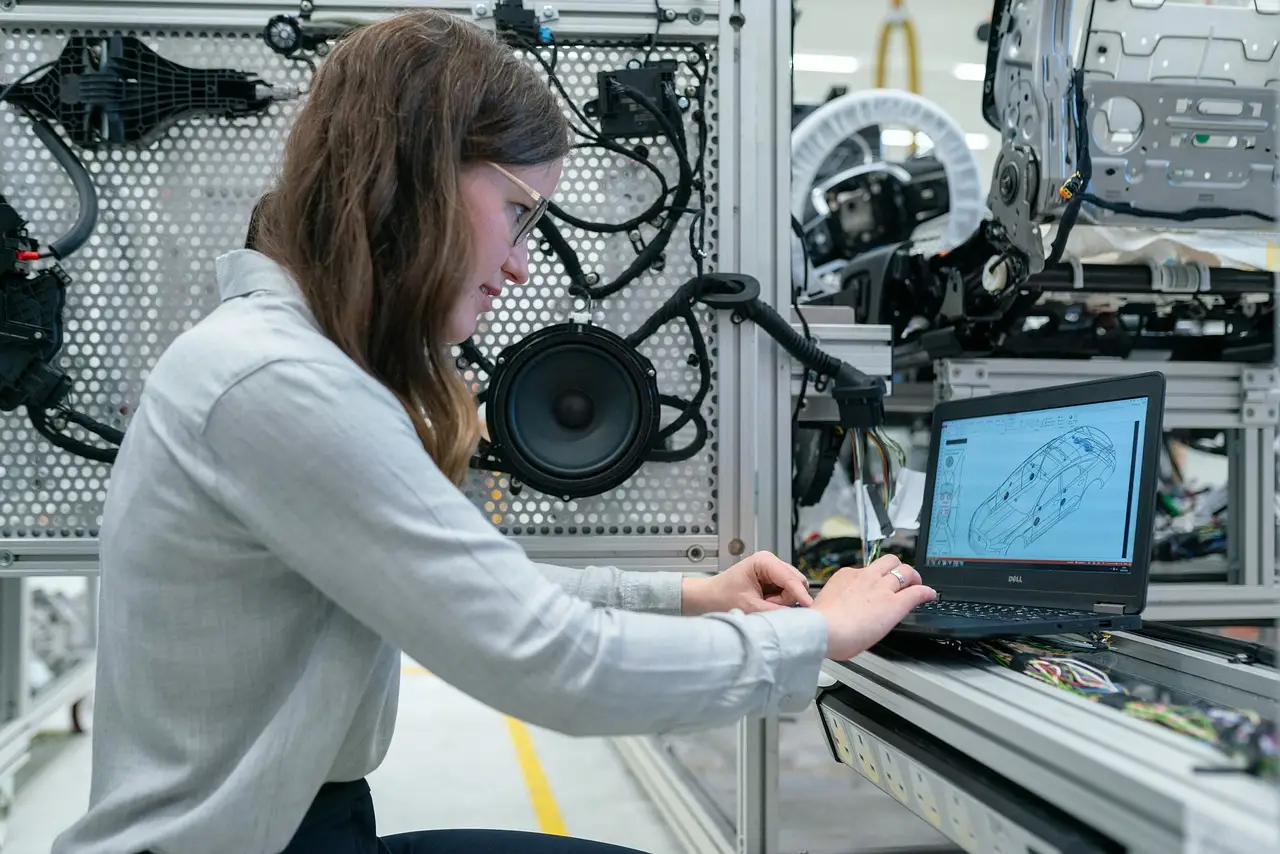
Honda will spend $3 billion on a next-generation hybrid-electric vehicle plant in Central Ohio, targeting 240,000 units of annual capacity and more than 2,000 new jobs, with production expected to start in 2029.
The automaker announced the project today. It becomes Honda's fourth manufacturing facility in Central Ohio, sited between the company's East Liverpool and Marysville plants — a deliberately tight cluster. Honda's Development & Manufacturing of America facility and its L-H Battery Co. joint venture plant already sit nearby.
For scale: 240,000 vehicles a year is roughly the output of a full-size assembly plant, and it represents about a third of the total U.S. capacity expansion Honda is chasing.
What's driving the investment?
The new plant is the headline item in a wider retooling program across Honda's U.S. and Canadian footprint, aimed at lifting North American capacity from 1.3 million to 1.9 million vehicles a year — a 46% increase.
"The new plant is part of a broader set of investments at Honda operations in Ohio, Alabama and Georgia that will expand and strengthen an integrated U.S. production network to boost production of hybrid-electric vehicles and the engines and systems that power them," the company said in its press release.
The stated logic is manufacturing flexibility: Honda wants plants it can steer as consumer preferences, market conditions and electrification trends shift. That's a hedge, not a bet on one powertrain.
The companion projects include:
- Retooling the Alabama Auto Plant for higher vehicle output and new V6 engine production
- Retooling the Anna Engine Plant in Ohio to build next-generation engines and expanding its parts consolidation center
- Retooling Ohio and Georgia transmission plants for next-generation hybrid systems, lifting hybrid capacity by 250% over time
- Updating and retooling the Alliston, Ontario plant for new models and reintroducing engine production there
Takeaway: this is a network upgrade, with Ohio as the hub.
How does it fit Honda's hybrid roadmap?
In May, Honda laid out plans for 15 new Honda and Acura hybrid models by 2030, with North America serving as the primary market for many of them. The Ohio plant and the 250% hybrid-capacity increase at the transmission plants are the industrial backing for that product plan.
Honda knows the terrain. It opened its first U.S. automotive plant in Marysville in 1982 and maintains workforce-development partnerships with nearby schools, including Ohio State and Columbus State universities. Filling 2,000-plus positions in a tight labor market is easier when the pipeline already exists.
One caution: the 2029 start and the 1.9 million-unit figure are announced intentions, not confirmed output. Automakers revise program timing routinely, and capacity plans routinely outlive the demand assumptions behind them.
Takeaway: the product plan is hybrid-heavy, and Ohio is where it gets built.
What to watch next
The milestones that will tell us whether this holds: groundbreaking and construction timing for the new plant, staffing announcements against the 2,000-job figure, and the first next-generation hybrid drivetrain units out of the retooled Ohio and Georgia transmission plants. The 2030 deadline for 15 hybrid models is the clock everything else runs on.
via nationalpress.org (Original)
More from Daniel Okafor
Show full bio
Senior reporter covering regulation, policy and their impact on Automotive manufacturing and vehicle production at Autoplant Brief.
330 articles