ECO-9307 · REV F · effective October 19, 2026
Industry Analysis & MarketsRELEASEDEngineering notice
EV or ICE: The Factory Strategies Splitting Auto in 2026
Carmakers are splitting 2026 plant strategies between EV conversion and ICE re-tooling, and supplier tooling dollars are caught in the middle.
Scope of change
- Automotive Manufacturing Solutions published a 2026 analysis of diverging EV and ICE factory strategies
- Slower EV uptake has left some plants sized for electric volumes that haven't materialized
- OEMs are responding unevenly: some holding EV conversion timelines, others extending ICE production
- Suppliers face the sharpest exposure, with tooling already sunk into shifted programs
- Concrete signals to watch: EV start-of-production dates holding, and formal investment in ICE extensions
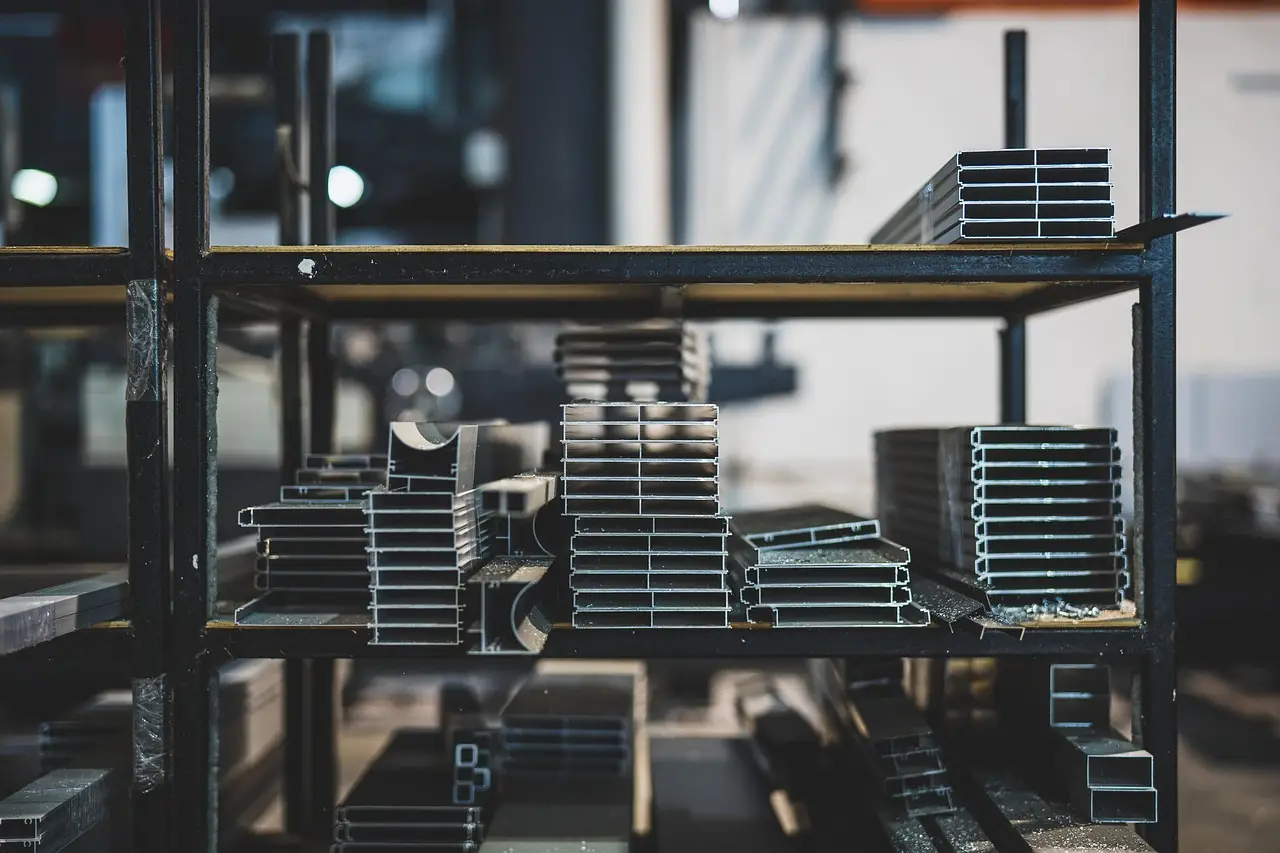
The fault line running through auto manufacturing in 2026 is not a product line — it's the factory floor itself, and which powertrain it's built to stamp out.
Automotive Manufacturing Solutions has published an analysis of how carmakers are dividing their production strategies between battery-electric and internal-combustion plants. The split is real, and it's showing up in where capital gets committed: some OEMs are still converting lines for EVs, others are quietly re-tooling for ICE variants they'd already scheduled for retirement.
What's driving the split?
Slower-than-forecast EV uptake in key markets has left several manufacturers carrying plants sized for electric volumes that haven't arrived. The response has been uneven. Some are holding their conversion timelines. Others are stretching flexibility into existing halls — building lines that can swing between platforms rather than betting a whole facility on one drivetrain.
That flexibility carries its own cost. Dual-capable tooling is more expensive per unit than dedicated lines, and it only pays off if demand actually wobbles between the two technologies. For suppliers, tier-one and below, the ambiguity is worse: a battery tray program and an exhaust system program can't both be won with the same press shop.
Who wins, who waits
The tier structure matters here. OEMs can re-phase programs on paper; suppliers have already sunk tooling money into programs that shifted. Any supplier reading a 2026 capacity announcement from a customer should treat it as an intention, not a commitment, until the launch date holds through a full production cycle.
For plant-level watchers, the tell is usually in the second-tier decisions: hiring freezes at battery-assembly lines, extended life for engine-machining equipment, paint-shop capacity quietly rebalanced. Those moves lag the press releases by months, which makes them more honest.
What to watch next
The concrete signals will come as launch dates: which EV programs hold their start-of-production schedules through 2026, and which ICE extensions get formal investment rather than verbal reassurance. Watch, too, for any OEM publishing a firm retooling number rather than a strategic-sustainability framing. Numbers get approved by boards. Framing gets approved by marketing.
Takeaway: in 2026, the strategy isn't EV versus ICE — it's committed capital versus hedged capital, and the plants know the difference.
By Daniel Okafor
via Google News: Powertrain production (Source)
More from Daniel Okafor
Show full bio
Senior reporter covering regulation, policy and their impact on Automotive manufacturing and vehicle production at Autoplant Brief.
254 articles
Also circulated
- CommercialSearch Report: EV Production Growth Loses Steam
- EV Manufacturing Shift Signals a Brutal Industry Shakeout
- Forbes Analysis: Tariffs, Margins, EV Slowdown Fuel Auto Consolidation
- UK vehicle production rises, but SMMT flags persistent pressures
- Nissan Drops Plans for US EV Plant, Engadget Reports