Effective November 23, 2026
Auto Industry PolicyEngineering notice
Egypt puts auto-parts localization at center of industry program
Egypt's industry minister says the automotive program will deepen parts localization, supplier capability and exports, though no capacity, investment or launch targets were disclosed.
Scope of change
- The 11th Egypt Automotive Summit focused on automotive-parts localization and supporting industries.
- The summit theme was “State Vision 2030: Developing the Automotive Sector and Supporting Industries.”
- The Automotive Industry Development Programme targets investment, local content, production and exports.
- The ministry plans supplier development, technology transfer and testing-laboratory work for component certification.
- No capacity, output, investment or launch-date figure was disclosed.
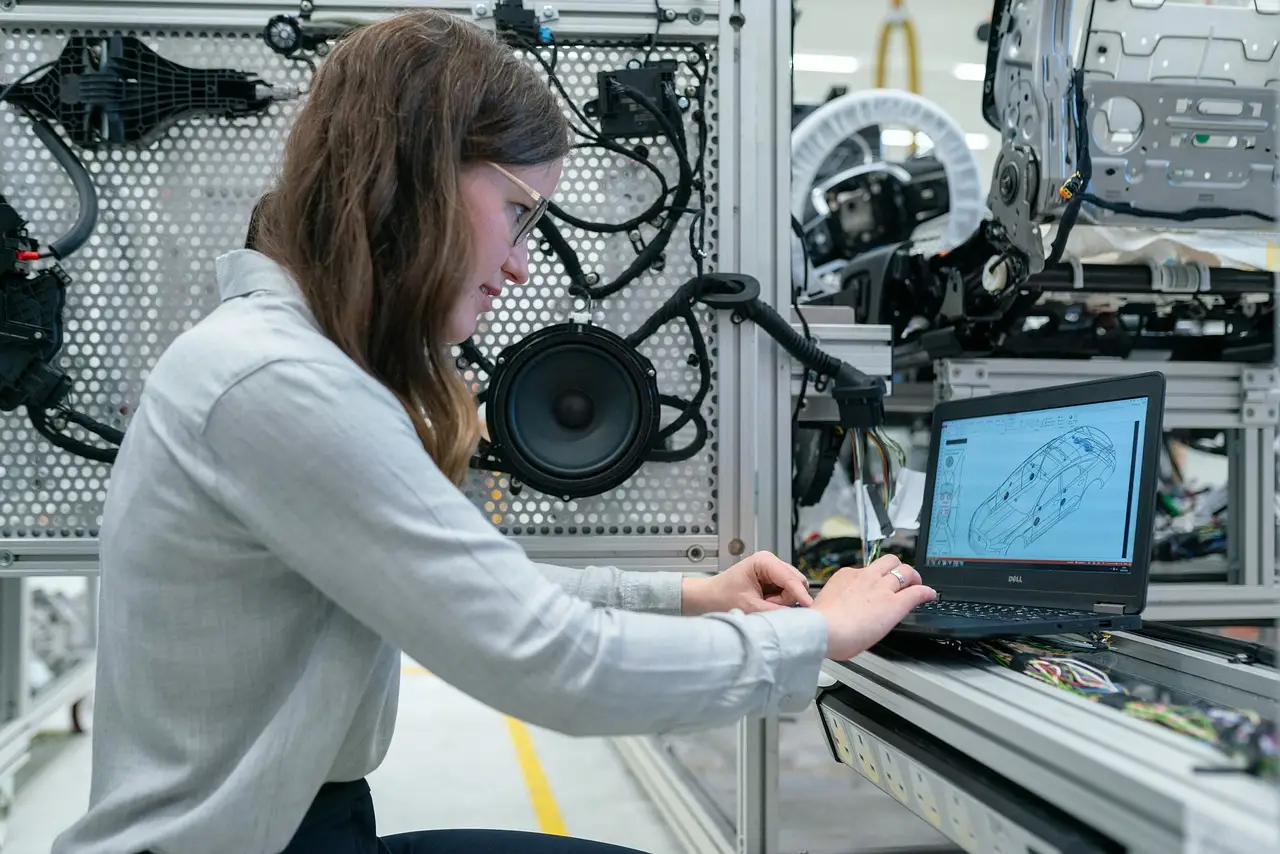
Egypt’s 11th Automotive Summit put automotive-parts localization (greater use of Egyptian-made parts in vehicles) at the center of its State Vision 2030 debate, but disclosed no plant capacity, output target, investment amount or production launch date.
Industry Minister Khaled Hashem, who inaugurated and chaired the event, said the government wants Egypt to move beyond vehicle assembly toward an integrated industrial base. That includes localizing automotive components and parts and developing suppliers that can meet automakers’ requirements for international quality and competitiveness.
The announcement establishes a policy direction; it does not identify an automaker, plant or component program, or quantify what “moving beyond assembly” means for annual output.
What does the localization push change for automakers and suppliers?
Automakers operating in Egypt receive a policy signal to consider the country as a manufacturing and export base, while local component makers face the immediate task of proving they can supply at international standards. Hashem said the ministry will strengthen links between automakers and local component manufacturers, upgrade suppliers’ capabilities, facilitate technology transfer, and improve production quality and efficiency.
What changes in practice will depend on revised program mechanics, testing and certification, not merely ministerial intent.
Hashem called automotive a priority under Egypt’s industrial strategy because it can attract investment, create jobs and integrate domestic industry into global supply chains. He said the government aims to increase local content and production, attract industrial investment and encourage international automakers to use Egypt as a manufacturing and export base.
The Automotive Industry Development Programme (AIDP), the government’s program for investment, local content, production and exports, is the main instrument. Hashem said: “The Automotive Industry Development Programme (AIDP) is a key instrument for achieving these objectives.”
The ministry is consulting relevant authorities and industry stakeholders on implementation mechanisms designed to respond to investor and manufacturer needs and strengthen the investment environment. That work could determine whether international automakers commit capital, but the summit announcement named no new vehicle project or production allocation.
The minister tied vehicle-manufacturing growth to supporting industries, which he described as essential to raising local production and sharpening competitiveness. Three workstreams stand out:
- Linking automakers with local component manufacturers to support deeper domestic sourcing.
- Upgrading supplier capability, transferring technology, and improving production quality and efficiency.
- Integrating testing laboratories so Egyptian-made components can be certified.
Egypt also wants to prepare local industry for the global shift to electric vehicles by localizing the industries that support them. The announcement did not identify an electric-vehicle production project or date.
Hashem said recent agreements with major international companies across vehicle manufacturing, components and supporting industries show growing confidence in Egypt’s industrial capabilities. Those agreements were not detailed or tied to disclosed volumes. He expects the supplier-development work to create further investment and industrial-partnership opportunities. The summit therefore offers evidence of government activity and stated private-sector interest, not a bankable production forecast.
Hashem said: “Achieving these objectives requires sustained cooperation between the government and the private sector, based on clear priorities, the exchange of expertise and coordination to address industry challenges.” He presented sustained public-private coordination as necessary for the sector’s investment and export goals.
The event, themed “State Vision 2030: Developing the Automotive Sector and Supporting Industries,” brought together international and local automakers, component manufacturers and industry suppliers to discuss the sector’s outlook and ways to expand domestic production and exports.
Among those present were Mohamed Sami, assistant industry minister for strategic affairs; Mohamed Abou El Fotouh, CEO of Egypt Automotive; Tarek Massad, president of the African Association of Automotive Manufacturers; and Ankush Arora, CEO of Mansour Automotive Group. Hashem said expanding production, localizing technology and increasing exports are central to Egypt’s ambition to become a regional hub for automotive manufacturing and components.
What should readers watch next?
Watch for three milestones: a policy decision on revised AIDP implementation, named agreements converted into plant-level capacity commitments, and certification of local components through the planned laboratory network. The announcement did not provide a launch date or capacity number, so any claim of scaled production will need support from investment filings, plant output and supplier delivery data.
Until those checks are available, Egypt’s shift from assembly to a broader automotive supply chain remains a stated national objective rather than a confirmed production program.
via dailynewsegypt.com (Source)
More from Grace Kim
Show full bio
Staff writer covering people, launches and day-to-day practice in Automotive manufacturing and vehicle production at Autoplant Brief.
309 articles
Also circulated
- Egypt minister tours five factories with EGP 820m combined investment
- GAC, Jameel Motors sign Egypt production pact, details undisclosed
- Egypt and India Target Automotive and EV Investment Push
- Egyptian billionaire Ahmed Elsewedy plans EV plant in Algeria
- Egyptian robotics maker Aria Technologies runs at 40% local content