ECO-6804 · REV I · effective October 20, 2026
EV Manufacturing TransitionAPPROVEDEngineering notice
CATL Targets 2,000 Truck Swap Stations by 2027, Unveils Dual-Battery System
CATL pairs a 77-kWh range extender with swappable main batteries, lifts DOD above 95%, and targets 2,000 heavy-truck swap stations by 2027.
Scope of change
- CATL targets 900 heavy-duty truck battery-swap stations by end-2026 and 2,000 by 2027.
- The dual-battery system raises main battery depth of discharge from about 70% to more than 95%.
- Agreements covering 13,000 vehicles were signed at the Beijing launch, including SF Holding and China Postal Express & Logistics.
- New Qiji stations complete a swap in 5 minutes and cut construction costs by 10%.
- New energy heavy-duty trucks hit 50% of the segment in September, up from 29% a year earlier, per CPCA data.
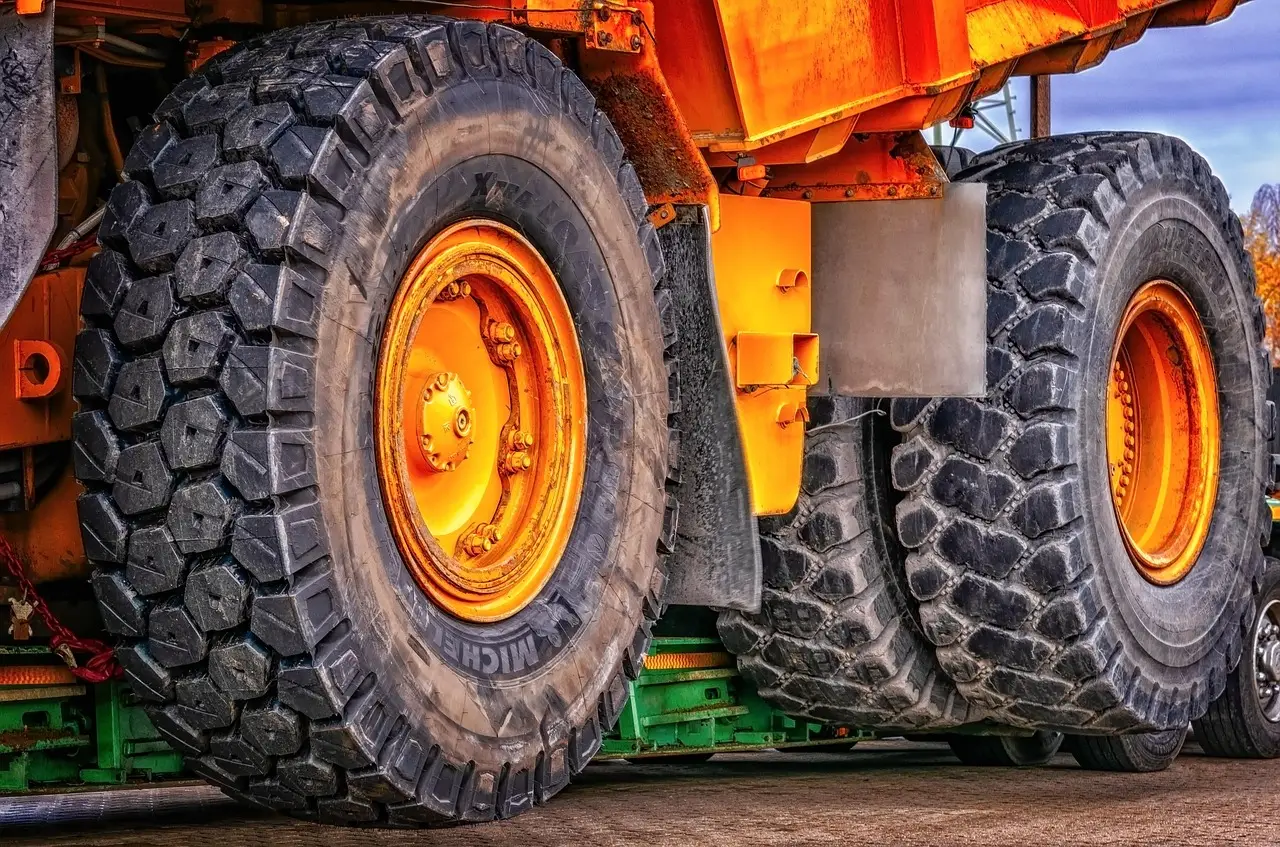
CATL plans to operate 900 heavy-duty truck battery-swap stations by the end of 2026 and expand to 2,000 by 2027, with a long-term goal of 10,000 stations across China with partners. The world's largest EV battery maker (HKEX: 3750) unveiled the network targets in Beijing on Tuesday alongside a dual-electric range extension battery system for heavy-duty trucks.
The system pairs a standardized, chassis-mounted swappable main battery with an independent 77-kWh range-extension battery mounted behind the cab. The on-board unit supports 3C charging and supplies backup power.
What does the architecture change for fleet operators?
The core economics problem it addresses is wasted leased capacity. Drivers of conventional battery-swapping trucks typically return to stations with about 30% charge remaining to avoid running out of power en route, CATL said. That leaves part of the leased battery unused.
With the backup battery in place, the main battery's depth of discharge (DOD, the share of usable capacity actually consumed) rises from roughly 70% to more than 95%. Trucks can arrive at a swap station with under 5% charge remaining in the main pack.
The system switches power delivery to the range-extension battery within milliseconds, maintaining uninterrupted output and redundancy under demanding conditions, according to the company.
CATL calls the design a "1+X" architecture: the main battery stays standardized for compatibility with the Qiji swapping network, while the range-extension battery can be specified for low-temperature performance, high energy density or high power. The two systems can be upgraded independently. The range-extender remains with the vehicle as an on-board asset; the main battery can be leased flexibly to match seasonal freight demand, cutting rental costs during idle periods.
New hardware, new billing
Alongside the dual system, Qiji added two standardized swappable batteries: the 260# at 432 kWh and the 300# at 513 kWh, complementing the existing 75# pack.
The new-generation Qiji station completes a swap in 5 minutes and cuts construction costs by 10%, CATL said. It requires no excavation pit and can be deployed in as little as 5 days.
CATL also changed the billing method for its battery-as-a-service (BaaS) offering. Customers now pay for net energy charged rather than energy discharged, letting them keep the benefits of regenerative braking. The change can reduce per-kWh rental costs for users on basic plans by up to 20%, the company said.
Orders and market context
Agreements covering 13,000 vehicles were signed at the event, including battery-swapping product orders from SF Holding and China Postal Express & Logistics.
The launch lands in a fast-electrifying segment. New energy heavy-duty trucks reached 50% of the segment in September, up from 29% a year earlier, according to China Passenger Car Association (CPCA) analysis of compulsory traffic insurance data.
CATL launched its Qiji Energy heavy-duty truck swapping solution in June 2023 and introduced the 75# standardized swappable truck battery in May 2025. On June 30 this year it signed a strategic cooperation agreement with J&T Express covering swappable batteries, swap-station equipment, and operation and maintenance services for more than 5,000 heavy-duty trucks.
The company also unveiled truck batteries for different transport applications, including ultra-light and ultra-thin packs mounted behind the cab and chassis-mounted batteries for short-haul and long-haul operations.
What to watch
Track the buildout against the 900-station deadline at end-2026 and the 2,000-station target in 2027, plus uptake of the new billing model among logistics fleets. CATL's station-count announcements are stated plans, not confirmed deployments; station permitting and partner commitments will determine whether the economics of the 95% DOD proposition hold at scale.
via CnEVPost (Source)
More from Marcus Bennett
Show full bio
News editor covering regulation, policy and their impact on Automotive manufacturing and vehicle production at Autoplant Brief.
225 articles
Also circulated
- Kandi unit lands second CATL swap-station order, scale undisclosed
- CATL-Seres Deal Pushes Aito Battery Capacity Past 20 GWh
- CATL to lift Chongqing battery capacity beyond 20 GWh for Seres
- CATL rises to No. 3 in global auto supplier rankings, Digitimes reports
- CATL and Seres to add 10–12 GWh at Chongqing battery plant