ECO-2254 · REV K · effective November 10, 2026
EV Manufacturing TransitionAPPROVEDEngineering notice
BYD Weighs Battery Plant on 240-Hectare Galp Refinery Site in Portugal
BYD is in advanced talks for a battery plant on a 240-hectare former Galp refinery site near Porto — but no investment, capacity or jobs figures have been confirmed.
Scope of change
- BYD is in talks with Portugal and AICEP over a battery factory at the 240-hectare former Galp refinery site in Matosinhos, near Porto.
- Galp closed the Matosinhos refinery in 2021; demolition is expected to finish by the end of 2026, with soil remediation to follow.
- Lithium production at the Barroso mine in northern Portugal is scheduled to begin in 2028.
- CALB already plans a battery factory in Sines with around €2 billion investment and 15 GWh annual capacity.
- No investment amount, production capacity or job figures for the BYD project have been disclosed.
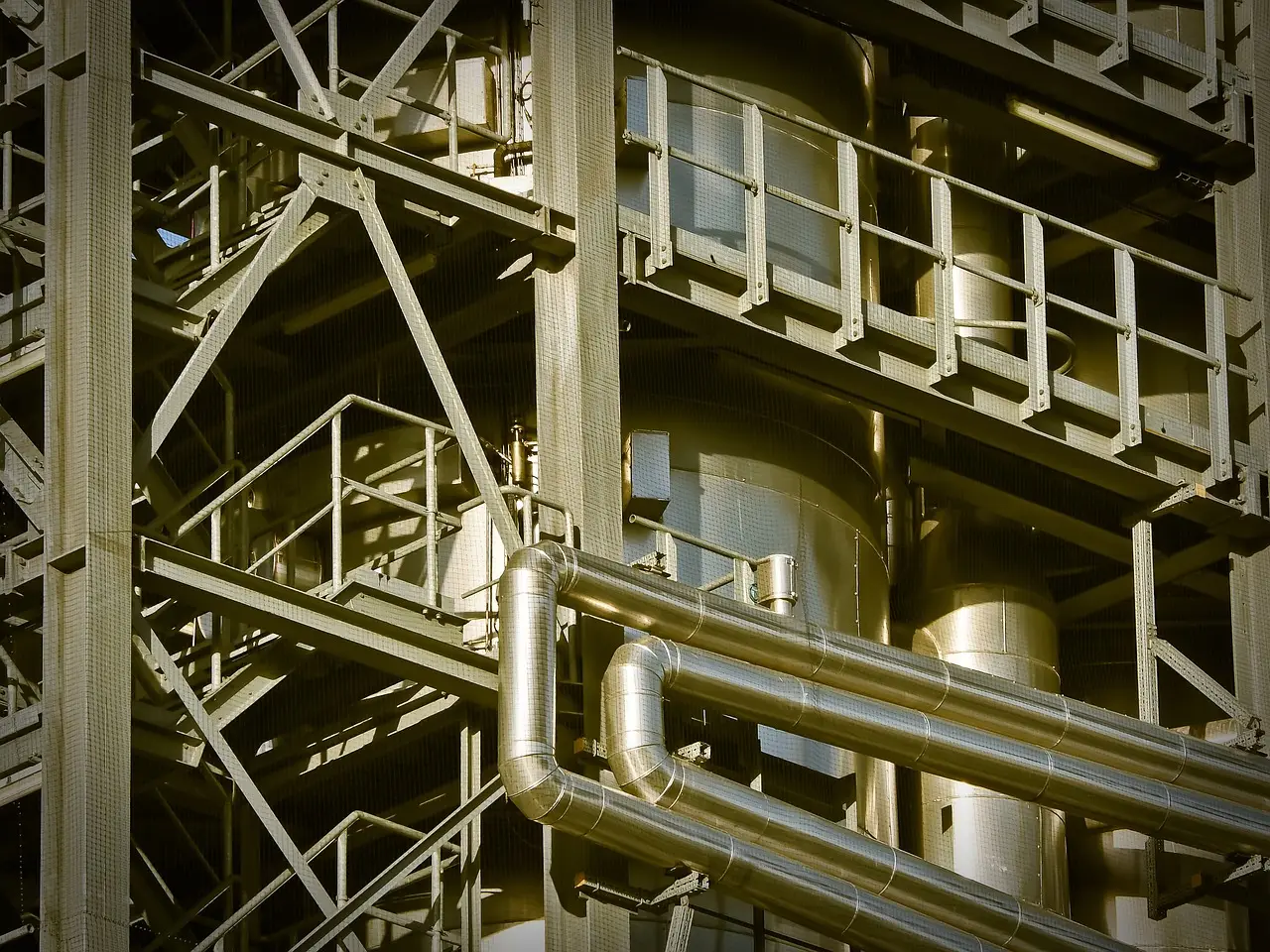
BYD is in talks with the Portuguese government over a battery factory on a 240-hectare former refinery site in Matosinhos, near Porto — and nobody involved will confirm a single number.
The Portuguese business newspaper Expresso reports that BYD is already negotiating with the government and the national trade and investment agency AICEP. A source familiar with the matter told Expresso the project is "relatively advanced." That claim cannot be tested. BYD has issued no official confirmation.
Portugal's Minister of Economy, Manuel Castro Almeida, acknowledged only a "fruitful dialogue" with a Chinese automaker about a plant in Portugal. He offered no further details. The Matosinhos city administration says it has not been formally informed about the project. Mayor Luísa Salgueiro nonetheless called such an investment a "very welcome project."
What does the site actually offer?
The former Galp oil refinery closed in 2021. The roughly 240-hectare site near the Atlantic is currently being dismantled. Galp has transferred 100 hectares to the city administration. A further 40 hectares are planned for the University of Porto, and another 20 hectares will become a park. The remaining areas have no designated use.
Demolition work should finish by the end of 2026, according to Galp, with soil remediation to follow. That timeline matters. Any factory construction would follow remediation, pushing realistic production start dates well beyond the middle of the decade.
The location has genuine logistics assets. It sits close to the Port of Leixões and has strong transport links. Lithium extraction at the Barroso mine in northern Portugal is scheduled to begin production in 2028, which could shorten raw material transport routes for a Matosinhos plant in the future.
Which production step is BYD targeting?
The reports say only "battery factory." Nothing more. It is unclear whether BYD would produce cells, modules, complete packs, or some combination.
BYD can do all of it in-house. The company develops and manufactures its own lithium iron phosphate (LFP) cells and the associated battery systems. Its key development is the Blade Battery, introduced in 2020 and now in its second generation. The design uses long, flat LFP cells that resemble sword blades. BYD applies a cell-to-pack concept, integrating cells directly into the battery pack without traditional intermediate modules, which saves space and raises pack efficiency. The Blade Battery powers numerous BYD electric vehicles and plug-in hybrids.
That vertical integration means BYD needs no partner to run a plant. It also means the company can shift plans internally without external signals — a caveat on reading any single site report as final.
Is this part of a wider European network?
According to Expresso, the potential factory could serve as a production hub for the entire Iberian Peninsula, including a possible future BYD car factory in Spain. BYD is evaluating additional European sites for expanded capacity. France is also under consideration, and the company is already building its first European passenger car plant in Szeged, Hungary.
Portugal, for its part, is actively courting battery investment. Chinese cell maker CALB plans a factory in Sines with roughly two billion euros of investment and a planned capacity of 15 GWh per year. A second major battery project would strengthen Portugal's position in the European EV value chain.
What is missing — and what to watch
Three numbers are absent from every report so far: investment amount, production capacity, and job count. Without them, "relatively advanced" is a negotiating posture, not a commitment.
Watch for the formal Matosinhos notification, any AICEP or ministerial announcement with figures, and confirmation of which production stage — cells, modules or packs — BYD intends to build. The Szeged plant's progress and the Barroso mine's 2028 production start will shape the regional logic either way.
via econews.pt (Original)
More from Amara Osei
Show full bio
Market editor covering technology and product news in Automotive manufacturing and vehicle production at Autoplant Brief.
301 articles
Also circulated
- BYD Eyes Takeover of Existing Factory for Second European EV Plant
- BYD Inaugurates 150,000-Unit EV Plant in Subang, West Java
- BYD Eyes Takeover of Existing Factory for Second European Plant
- BYD Eyes Factory Takeover in Southern Europe for Second EV Plant
- BYD Eyes Takeover of Existing Factory for Second European Plant