ECO-8287 · REV H · effective November 3, 2026
Suppliers & Tier-1sRELEASEDEngineering notice
Bosch splits semiconductors into standalone division from 2028
Bosch will carve its chip operations into a standalone Semiconductors division from 1 January 2028, targeting five billion euros in annual sales by 2030 and a growing foundry business.
Scope of change
- New 'Semiconductors' division launches 1 January 2028, separating from Mobility Electronics within the Bosch Mobility sector
- Bosch targets five billion euros in annual semiconductor sales by 2030
- Roughly three billion euros invested in Dresden and Reutlingen plants, plus around two billion US dollars in Roseville, USA
- Production network spans about 40 locations worldwide, plus a ten-percent stake in the ESMC consortium in Dresden
- New growth targets: industrial automation, humanoid robot control, and AI data centre components
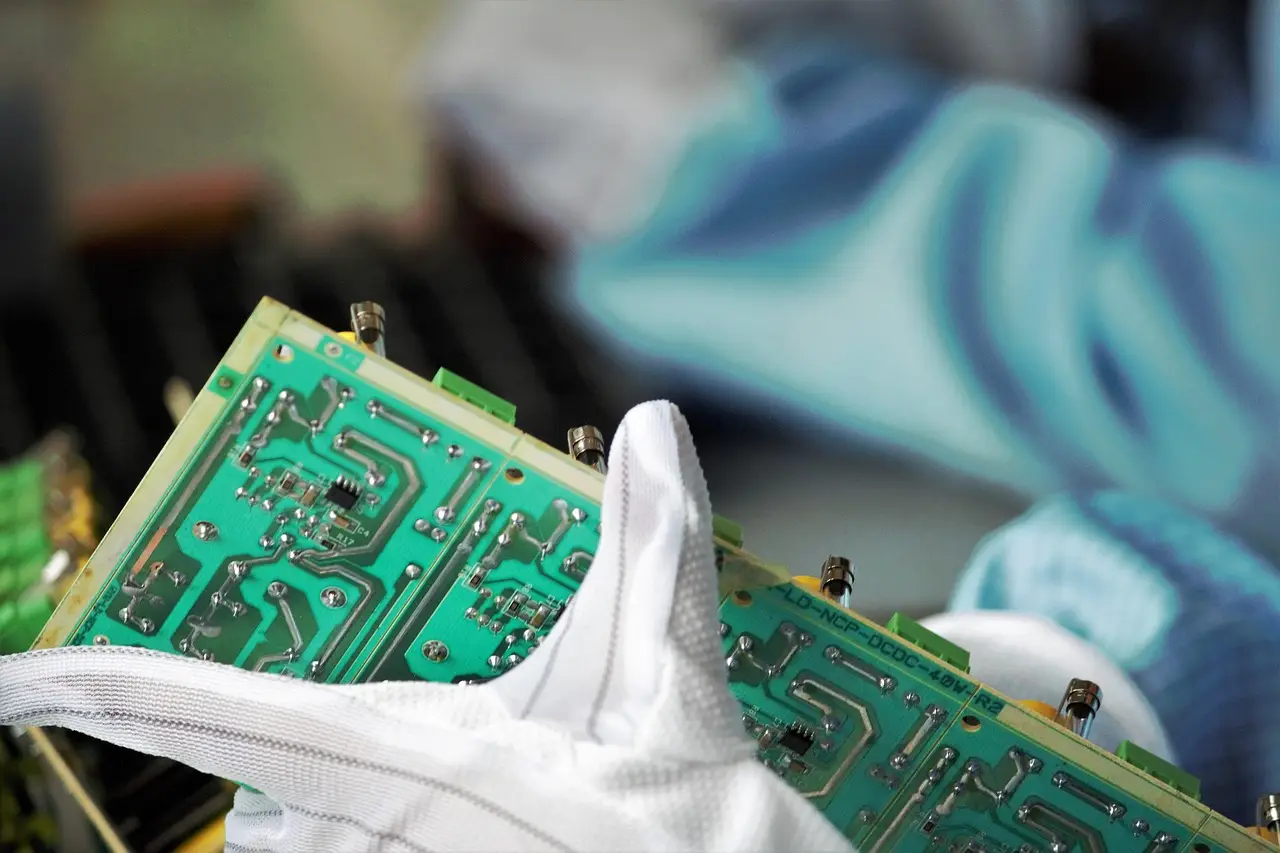
Bosch will place its semiconductor operations in a dedicated 'Semiconductors' division on 1 January 2028, targeting annual chip sales of five billion euros by 2030. The new unit stays inside the Mobility business sector but separates from its previous joint structure with the Mobility Electronics division, which will concentrate on electronic control units and vehicle power electronics from 2028.
The reorganisation hands the Semiconductors division full responsibility for developing, manufacturing and distributing microchips and sensors. Markus Heyn, Deputy Chairman of the Board of Management of Robert Bosch GmbH and Chairman of Bosch Mobility, framed the move in strategic terms: "Semiconductors are the linchpin of our connected world and a key success factor for all of Bosch's business fields."
What does the restructuring change in practice?
For Bosch's supplier customers and Tier 1 partners, the most consequential shift is the separation of chip activities from ECU and power electronics engineering. A semiconductor unit with its own P&L can pursue foundry business — contract manufacturing for third parties — rather than serving mainly internal Bosch demand. The company says it will increasingly open its own manufacturing capacity to external partners to build that foundry operation.
The growth logic reaches beyond the established automotive, smartphone and household-appliance markets. Bosch names three target fields: industrial automation, control electronics for humanoid robots, and components for AI data centres. Market analyses cited by the company point to a sharp rise in global and European demand for semiconductors and silicon wafers over the coming years.
Erik Rein, the executive responsible for the semiconductor business, identified the technical basis for that expansion: "Our unique strengths in the semiconductor business are our market and technology leadership in MEMS sensor technology (micro-electromechanical sensors), as well as the integration of semiconductors into system solutions." He singled out silicon carbide chips — a power-semiconductor technology central to EV inverters — and application-specific integrated circuits (ASICs) as areas Bosch wants to leverage in selected new markets.
Where the money has gone
The targets rest on investment already committed rather than fresh pledges. Approximately three billion euros have gone into the German fabs in Dresden and Reutlingen in recent years. Bosch has added roughly two billion US dollars to expand its Roseville plant in the USA.
The production network spans around 40 locations worldwide, a spread the company credits with distributing manufacturing risk and stabilising supply chains. Two further moves round out the footprint: expansion at the Penang test site in Malaysia, and a ten-percent stake in the ESMC manufacturing consortium in Dresden, which gives Bosch direct access to advanced chip production outside its own fabs.
What to watch next
Three markers will show whether the five-billion-euro target is credible. Watch the pace of external foundry agreements, since third-party wafer revenue is the clearest proof the standalone division is winning business beyond Bosch's own bill of materials. Watch capacity milestones at Roseville and Dresden against the 2028 division launch date. And watch whether the humanoid-robot and data-centre design wins materialise into volume orders — those segments are announced intentions today, not confirmed programmes, and Bosch has not broken out current semiconductor revenue against the 2030 goal.
via bosch-presse.de (Original)
More from Marcus Bennett
Show full bio
News editor covering regulation, policy and their impact on Automotive manufacturing and vehicle production at Autoplant Brief.
256 articles
Also circulated
- Bosch to carve 62,500 German staff into standalone Mobility subsidiary
- Bosch leader flags Chinese auto parts as rising global threat
- Bosch SDS, Dassault Systèmes Target AI-Led EV Manufacturing in India
- Major auto suppliers turn to AI to navigate supply-chain woes
- Five Tier-1s Chase Single-Chip Cockpit-Drive Dominance at Auto China 2026