ECO-2180 · REV A · effective November 13, 2026
Auto Industry PolicyAPPROVEDEngineering notice
49,000-EV Quota Frames Carney's China Talks as Plants Stay Idle
Carney meets Xi on November 17 to discuss EV manufacturing, but the 49,000-vehicle quota and stalled Stellantis talks show production in Canada remains distant.
Scope of change
- Carney meets Xi Jinping on November 17 at the APEC summit in Shenzhen
- January trade deal allows 49,000 China-made EVs into Canada over 12 months at 6.1%; excess volumes face a 100% surtax
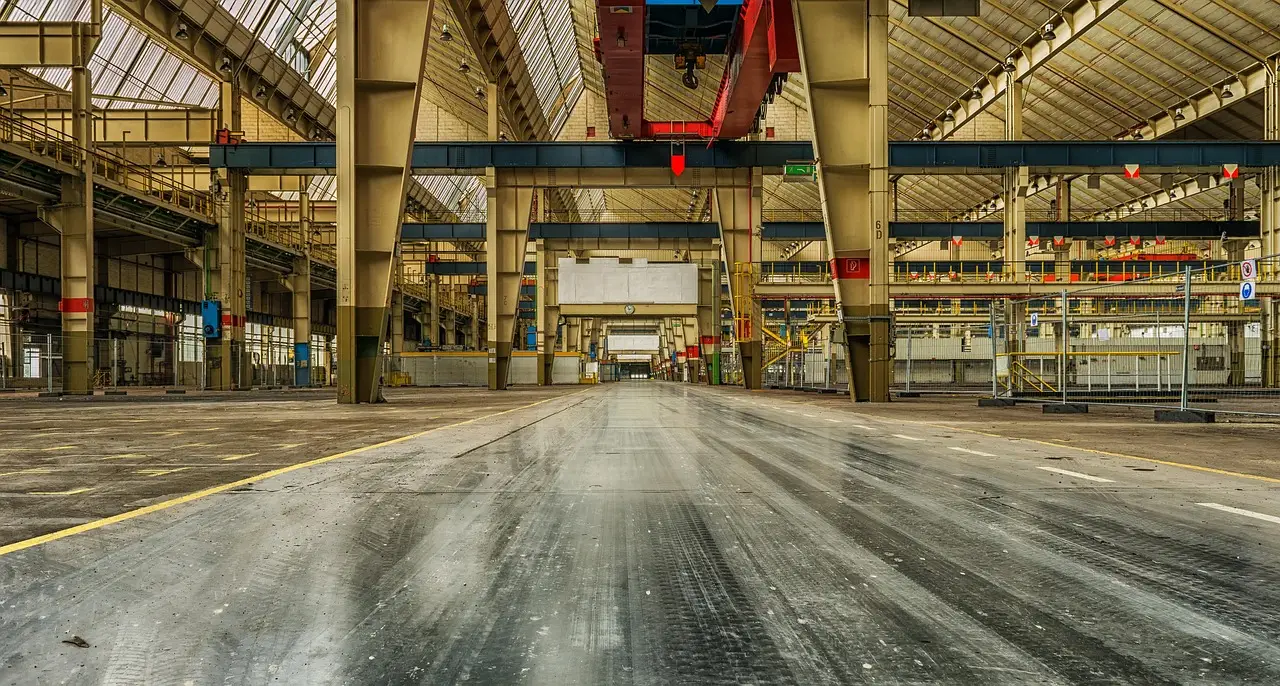
- Stellantis talks on Chinese-technology EVs at an idled Toronto-area plant stalled; plant to be sold to Roshel
- Geely plans first Canadian models for 2027; BYD and Chery are still only studying local production
- No Chinese joint-venture investment in Canadian auto manufacturing has been announced
A quota allowing 49,000 China-made electric vehicles into Canada at a 6.1% tariff rate over 12 months is the concrete number behind Prime Minister Mark Carney's talks in China next week — and he is careful not to promise more. Carney said he will discuss EV manufacturing with Chinese president Xi Jinping, but downplayed expectations that Chinese cars will enter production in Canada soon, Bloomberg reported on November 12.
Carney plans to meet Xi on November 17 after arriving in Shenzhen for the Asia-Pacific Economic Cooperation (APEC) leaders' summit. He announced the meeting while speaking at the European Political Community summit in Dublin on Thursday. He previously said the two leaders would discuss ways to expand bilateral trade ties.
What does the January agreement actually allow?
The quota stems from a trade agreement reached during Carney's visit to Beijing in January. China lowered tariffs on some Canadian agricultural products in exchange for Canada establishing a low-tariff import quota for China-made EVs (a quota being a fixed volume admitted at a preferential duty, with volumes above it paying more).
The mechanics are strict:
- Up to 49,000 China-made EVs may enter Canada over 12 months at 6.1%.
- Vehicles exceeding the quota face an additional 100% surtax.
- The agreement set a goal of attracting substantial new Chinese joint-venture (JV) investment in Canadian auto manufacturing within 3 years.
That JV goal drew criticism from US administration officials, including president Donald Trump himself. Carney also said discussions about Chinese EVs are relevant to Canada's ongoing talks with the US, without elaborating.
Why is Canada courting Chinese investment?
Canada's auto sector has long been geared toward exports to the US and now faces pressure from tariffs imposed by Trump. The government is seeking new investment for the struggling industry.
Industry Minister Mélanie Joly hopes Chinese joint ventures will support domestic parts manufacturing, jobs and technology development. None have been announced so far, according to Bloomberg.
What happened to the Stellantis plant near Toronto?
The clearest test case has stalled. Stellantis NV held discussions with Joly's office about producing EVs using Chinese technology at an idled plant near Toronto. The Canadian government ruled out a model in which most parts would be manufactured in China and only assembled in Canada — effectively rejecting a kit-assembly scheme that would add little domestic value.
The talks stalled, and Stellantis subsequently announced plans to sell the plant to Roshel, a Canadian armored vehicle manufacturer.
Are Chinese automakers still interested?
Interest persists, though every statement so far is an intention, not a confirmed capacity plan. Chery (HKEX: 9973) executive vice president Zhang Guibing told Bloomberg in October that the company was evaluating options including using spare capacity at existing plants and building factories with partners. BYD (HKEX: 1211) executive vice president Stella Li said in March that BYD was studying manufacturing facilities in Canada, with no decision made and a preference to independently own and operate a plant.
Geely Auto (HKEX: 0175) is moving on the sales side rather than production: it announced in October that its namesake brand would enter Canada, with first models planned for 2027.
What to watch next
The November 17 Carney–Xi meeting is the immediate checkpoint. Watch for any JV announcement with a named plant, a stated capacity figure and a parts-localization commitment — the combination Ottawa demanded and the Stellantis talks failed to deliver. Also watch whether the 100% surtax line above the quota survives as US-Canada talks proceed.
via bloomberg.com (Original)
More from Sophie Lindqvist
Show full bio
Correspondent covering money, funding and market shifts around Automotive manufacturing and vehicle production at Autoplant Brief.
291 articles
Also circulated
- Chery weighs Canadian output, targeting 2027 sales launch
- Canada Courts Chinese EV Makers as Tariffs Fracture Auto Trade
- China’s proposed 350,000 hybrid export quota draws automaker bids
- Six U.S. Auto Groups Urge Trump to Keep Chinese Market Block
- EU weighs tariff-rate quotas on China-made hybrids as imports surge 13-fold